Danish Consumer Council Advises Against Babies Sleeping in Sling Cradles
The Danish Consumer Council Tænk recommends that infants sleep on a firm, flat surface to ensure unobstructed breathing, advising against the use of sling cradles.
45 stories found
The Danish Consumer Council Tænk recommends that infants sleep on a firm, flat surface to ensure unobstructed breathing, advising against the use of sling cradles.

At their natural home, Kyttaro, Moras sti Fotia (Babies on Fire) – one of the oldest Greek-speaking rock bands – are performing today.

Saoirse Aylward, whose unborn son died after a car crash, is advocating for the recognition of such babies as separate victims, emphasizing that acknowledgment of the full harm matters to her family and her son's memory.
An infant botulism outbreak linked to ByHeart formula has concluded, with 48 babies reported sickened.
Trump tariff rebuke, thoughts of a 100-year-old banker, and designer babies SWI swissinfo.ch

Irish fathers share their experiences and challenges of balancing working from home with parenting responsibilities.

A unique program is celebrating infants recovering from a botulism outbreak, which has been linked to contaminated ByHeart formula.
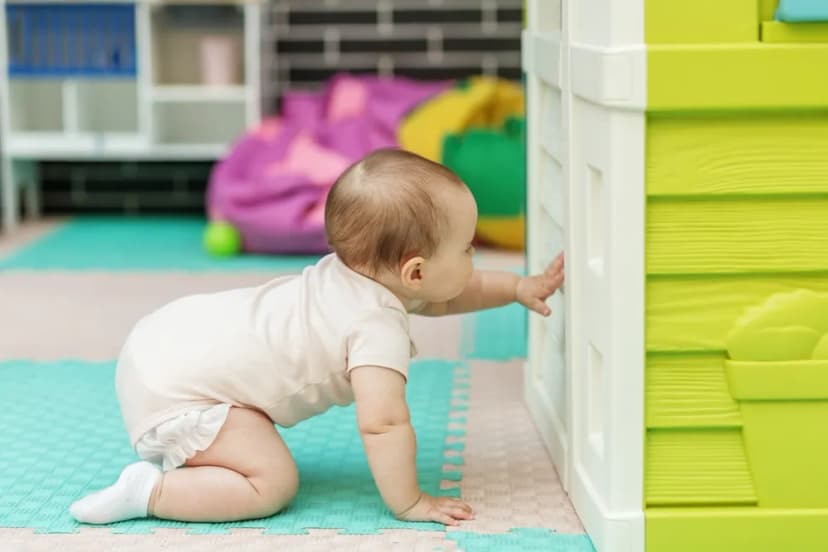
An article explains muscle tone in babies, describing it as the natural tension in muscles at rest, controlled by the brain, which is fundamental for posture, movement, and stability.

Fiji is experiencing a rapidly growing HIV epidemic, particularly affecting vulnerable young people, partners of drug users, and victims of sexual violence, leading to tragic outcomes for children.
Financial expert Dave Ramsey asserts that babies are not inherently expensive and that it is 'absolutely' wrong to believe one needs to be wealthy before having kids.

Tehran is once again blaming 'terrorists' for last month's violence, rejecting external estimates and doubling down on its stance after President Trump issued his own high estimate.
Bernard Hoffman/Getty Images Thanks to the postwar Baby Boom and other factors, families in the '50s began moving to the suburbs. Levittown in Long Island, New York, is widely recognized as the first modern American suburb. Each home looked the same — they were all built in the Cape Cod-style and cost around $7,000. As World War II came to an end, families looked for ways to start over. Emboldened by the GI Bill's provisions for home loans, they moved out of the cities in droves for newly developed suburban communities. In fact, the suburbs expanded by 47% during the 1950s, according to the Gilder Lehrman Institute of American History. Levittown in Long Island, New York, was one of the first to introduce the idea of a pre-planned, mass-produced uniform suburban community, The New York Times reported. Families started moving there on October 1, 1947. Though the community welcomed an influx of families, non-white prospects weren't allowed. Notably, African Americans didn't see the same benefits from the GI Bill, and it would take some years before racial and ethnic minorities broadly shifted to the suburbs. Here's what it was like to live in America's first modern suburb in the 1950s. Before the 1950s, people mostly lived in cities to be close to factory jobs. Historical/Getty Images At the time, most people lived close to the city center to work in factories, or they lived in rural communities to work on farms, according to economist Jay Zagorsky. Everything changed in the 1950s when soldiers returned from World War II, sparking the great migration to the suburbs. Irving Haberman/IH Images/Getty Images The 1950 Census found that 60% of people lived in cities, while 40% lived in the suburbs. Thanks to factors like the construction of highways, the development of new neighborhoods from farmland, and even safety in the event of an atomic attack, these percentages would soon shift drastically. The GI Bill made it easier to afford a new home, prompting this transition from urban to suburban. Newsday LLC/Getty Images The GI Bill provided each returning soldier with benefits designed to stimulate economic growth. Each soldier was given a year of unemployment and free tuition to go to college. The military pledged to back all home loans, which allowed veterans to buy houses with little to no down payments. The Baby Boom started at the same time, causing many families to outgrow their city apartments. A family of four stands in front of their house in Levittown, NY. Joseph Scherschel/Getty Images Shortly after WWII ended, the Baby Boom began. In 1946, 3.4 million babies were born, more than ever before, and 20% more than in 1945, per History.com. This trend continued into the '50s. By the end of the boom in 1964, this generation made up 40% of the country's population. Most historians think it was because Americans were eager to have families after having postponed marriage and childbirth because of the Great Depression and World War II. Whatever the reason, people flocked to the suburbs to accommodate their growing families. In response to this growing need for space, suburban communities popped up at a faster rate in the '50s. An aerial view of a suburban community. Hulton Archive/Getty Images During the war, factories focused on creating wartime essentials, like airplanes and barracks. In the '50s, they refocused their efforts on building home components and automobiles using the new practices — like the assembly line — they implemented in the war, As a result, factories were able to produce materials for homes faster than ever before. Levittown in Long Island, New York, is widely recognized as the first modern American suburb. Tony Linck/Getty Images Levitt and Sons, a construction company, purchased a 7-square-mile plot of potato and onion farms in Long Island in 1947. They set out to build one of the first uniform suburban communities in the US. The community grew fast. In fact, a house was built every 16 minutes in Levittown. Tony Linck/Getty Images To construct the new community, which sits about 30 miles east of Manhattan, Levitt and Sons hired mostly unskilled workers to build the homes. They gave each a specific skill and created a sort of human assembly line. William Levitt even called his firm "the General Motors of the housing industry," The Guardian reported. The Levitts eventually constructed 17,447 houses between 1947 and 1951. During the peak of the construction boom, one was built every 16 minutes. People flocked to home sale events to get themselves a slice of suburbia. Al Fenn/Getty Images The first homes in Levittown cost new residents around $7,000, The Guardian reported. For veterans, there was no down payment. When adjusting for inflation, a Levittown home in 1950 would be roughly $97,000 in today's money. Every house in Levittown was identical. The Levitt family called it "the best house in the US." Joseph Scherschel/Getty Images At first, all the homes were built in the same style, and some residents even admitted to walking into the wrong house at times because they couldn't tell them apart, according to Khan Academy, citing Kenneth T. Jackson's "Crabgrass Frontier: The Suburbanization of the United States." The picturesque community was lined with greenery. In fact, a tree was planted every 28 feet in Levittown. Newsday LLC/Getty Images Each home in Levittown sat on a 6,000-square-foot lot, The New York Times reported. Outdoor spaces, like backyards, became focal points. Robert W. Kelley/Getty Images With the growing number of children, outdoor spaces became increasingly important to the suburban neighborhood. Inside each home, there were four rooms, a built-in TV set, and Hi-Fi for the radio. Joseph Scherschel/Getty Images At first, they were modest homes, but most families saw their new suburban lives as luxurious. Most Levittown residents experienced the responsibilities of owning a home for the first time. A man and a woman clean opposite sides of a window. Many homeowners experienced the responsibilities of owning a home for the first time. Newsday LLC/Newsday via Getty Images Many Levittown homeowners learned homeownership responsibilities, such as tending to a lawn. The suburb helped cement the idea of the "nuclear family" in American culture. The community prided itself on neighborhood amenities, like this mobile public library. Joseph Scherschel/Getty Images There were also swimming pools that children could use during the summer. Levittown also had seven shopping centers. Underwood Archives/Getty Images The shopping centers were called "village greens" and were designed to make the town more of a bustling community, per Encyclopedia.com. The suburbs were also known for being a safe alternative to the gritty city streets. Joseph Scherschel/Getty Images Since the streets in the suburban neighborhood were considered safer than those in the city, parents used to allow children to bike around by themselves, per the National Center for Safe Routes to School. Levittown was also known as a cheaper option compared to an apartment in the city. Bernard Hoffman/Getty Images The mortgage on a home in Levittown was reportedly about $29 per month, while most paid $90 per month in the city. By comparison, the average rent in New York City in 2026 is just under $3,500, according to Zillow. The monthly cost of a 30-year mortgage on a Levittown home today would be roughly $2,000. With all the amenities and perks, the community grew rapidly. In less than a decade, the population of Levittown reached 82,000. Bettmann/Getty Images The community has over 17,000 homes, making it one of the largest private housing projects in the history of the US. As a result, Levittown became a model for other suburban communities in the US during the 1950s. A suburban community in the 1950s. Joseph Scherschel/Getty Images Suburban home construction boomed in the 1950s. In fact, at least 15 million units were under construction by the end of the decade, according to the Wealth Management Group. Although suburban communities boomed in the '50s, the shift was reserved for white Americans. Joseph Scherschel/Getty Images For years, there were rules that restricted minorities from buying homes in Levittown, and even as the Civil Rights Movement was starting to take form and the rest of the country began integrating after Brown v Board of Education in 1954, Levittown remained mostly white. Two-thirds of Levittown residents today are white, according US Census estimates. Some of the few non-white families resisted this standard. Some non-white residents like William Cotter and his family fought against Levittown's whites-only standard. Newsday LLC/Newsday RM via Getty Images In 1952, William Cotter, a Black man, and his family, sublet a home at 26 Butternut Lane. When the lease was up, Levitt refused to renew it or sell them the home. The refusal sparked support for the Cotters, and the family eventually purchased another home from a white homeowner. With modern highways leading to the suburbs, men commuted into the city. New highways leading to the suburbs didn't come without traffic. Newsday LLC/Newsday via Getty Images The suburban boom corresponded with the expansion of interstate highways in the US, starting the modern iteration of the commute from the suburbs to the city. In 1950, 80% of men in Levittown commuted to Manhattan for work, The Guardian reported. During a typical day, the streets of Levittown were filled with women, as the men were mostly working in the city. Bettmann/Getty Images When men left to fight in WWII, women began entering the workforce, gaining newfound independence and freedom. However, they were suddenly expected to give this up again and instead focus on childbearing and rearing. In 1963, author Betty Friedan wrote in "The Feminine Mystique" that the suburbs "were burying women alive." However, some believe that women's dissatisfaction with staying home "contributed to the rebirth of the feminist movement in the 1960s," History.com reported. Women also got active in civic engagement. Women and children protest in favor of new stop signs. Newsday LLC/Newsday RM via Getty Images In 1959, women of Levittown, with children in hand, protested in favor of putting stop signs in an area with automobile-related deaths. Levittown became a symbol of prosperity and anticommunism in American politics and culture. William J. Levitt speaks with three senators. Bettmann/Bettmann Archive/Getty Images As American politics increasingly centered on anticommunism and Cold War tensions rose, Levittown and suburbs like it took on a symbolic meaning in American culture, representing prosperity and the "American Dream." Levitt was once quoted saying, "No man who owns his own house and lot can be a Communist. He has too much to do." In 2026, Levittown is still a sizable community with a population of about 50,000. Though it's full of modern businesses and technology, the community still holds a legacy as a post-war suburban haven. Read the original article on Business Insider
Young Chinese women are embracing "painless parenthood" by raising life-sized cotton dolls, offering nurturing joy without the financial and career burdens of real motherhood. This trend, fueled by fandom and a desire for emotional fulfillment, allows them to experience motherhood's warmth and express creativity in a judgment-free environment, redefining adulthood on their own terms.
Dana White says his early experience in professional boxing has been so dominant that he likened the competition to “beating up babies. ” The UFC president made the comment during the post-fight press conference for Zuffa Boxing 03 while reflecting on his promotion’s entry into the sport.
Dana White rips Eddie Hearn, other boxing promoters taking aim at Zuffa Boxing
Six underweight neonatal babies have been successfully treated and discharged from TVMCH, marking a significant medical achievement.

A new trial has found that giving stem cells to unborn babies with spina bifida during in utero surgery could significantly improve their quality of life, marking a potential milestone in treatment.

The UK, like many other countries, has a falling birthrate. But Danny Kruger’s perverse 1970s-style policies offer nothing to mothers-to-be Babies are beautiful. I always want to smile at them in the street, perhaps because they are a rarer and more precious sight in this ageing country or because they remind me of my grandchildren. There are about 3.5 million children aged four and under, while dogs on the streets are a more plentiful 13.5 million. Is the dog boom compensating for fewer chil...

Japan's birth rate decreased for the tenth consecutive year in 2025, with 705,809 babies born, marking a 2.1% drop from 2024, according to the Ministry of Health.

The recent flu wave in Bulgaria incurred €2.2 million in treatment costs for hospitalized babies and children, prompting discussions about the absence of a free immunization program and a proposal for state-funded nasal flu vaccines for children aged 2-8.
Parents in Sweden are expressing concern over babies not sleeping in their own beds, contrary to recommendations from the National Board of Health and Welfare. These guidelines are now set to be reviewed, following a series on co-sleeping.
Amidst declining birth rates, new forms of 'fake' motherhood are emerging, finding a perfect showcase on social media. The integration of AI into plastic babies reignites debates about their role as toys or something more unsettling.

/// The post Tsipras aiming for autumn, Samaras probably not, and Nikos… sandwiched; the Lenten outings of the energy players, Mykonos’ Four Seasons, shipping’s butter babies appeared first on ProtoTh

Lithuania is facing a demographic catastrophe, with only 17,000 babies born last year compared to twice as many deaths. The government plans to implement 127 measures to encourage childbirth, as similar trends are observed across Europe.

An article explores how to handle situations with disruptive children on airplanes, such as kicking seats or crying babies, and the feelings involved.

UFC president White, having started a boxing venture, said competing with Hearn was like ‘beating up babies’

A study reveals that the beneficial gut microbe B. infantis is less common in Western babies compared to those in African and South Asian infants, raising potential health concerns.

Hong Kong has celebrated the arrival of at least four new babies as the city enters the Year of the Horse, including a child born to a talent visa holder.
UFC CEO Dana White shared his surprise at the ease of his boxing venture, Zuffa Boxing, following a successful event.
The Abrázame Foundation in Chile is running a pilot program where volunteers hug lonely infants, providing crucial emotional bonds and helping the children thrive.

Ukrainian mothers who fled to Belgium are facing a legal void for their children born after 2022, as their babies lack official papers and health insurance, making them non-existent in the system.

Saoirse Aylward, whose unborn son died when she was 31 weeks pregnant in a road crash, is advocating for such babies to be recognized as separate victims, highlighting a 'gap in our judicial system'.

Travis Kelce may be ready to let the (baby) games begin. During a recent conversation with his brother Jason Kelce and musician Chris Stapleton, the Kansas City Chiefs player—who is engaged to...

National partners, in collaboration with the Sokoto State government and New Incentives - All Babies Are Equal, are assessing the delivery of routine immunisation services in Sokoto, Nigeria.
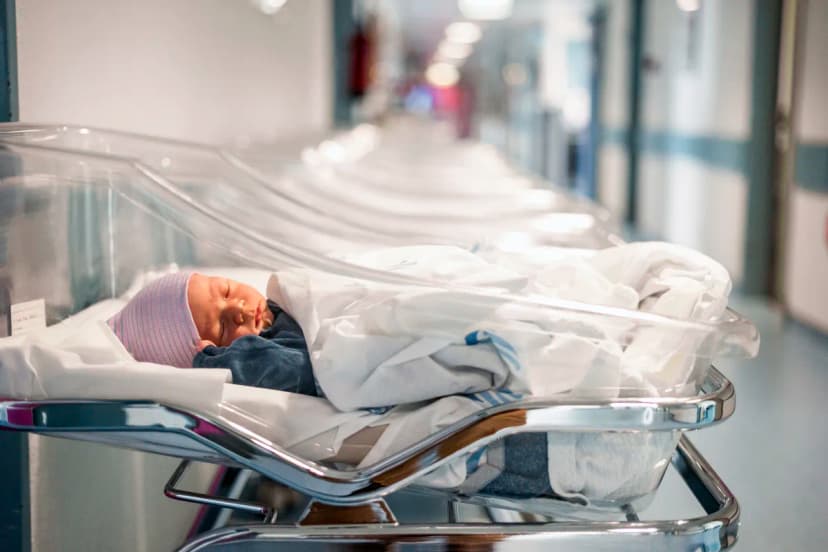
The Republic Statistical Office (RZS) reported a drastic continuation of the decline in live births and an increase in deaths in Serbia, with 4,848 babies born and 9,981 people deceased in January 2026.

A four-week-old baby was brought to a children's hospital where doctors discovered bone fractures in the infant and its twin sister, leading to the arrest of their parents.

Belgian authorities have confirmed eight cases of cereulide intoxication in babies linked to contaminated infant formula, with a total of 38 reported cases under investigation.
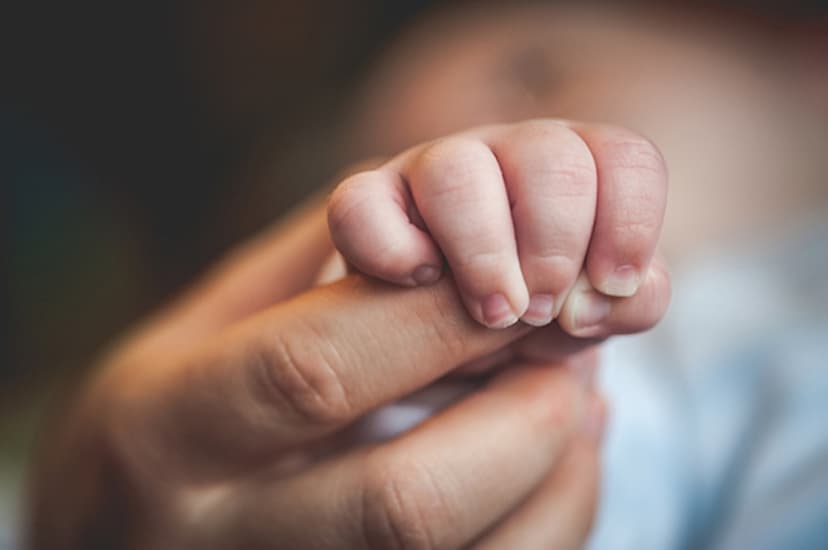
Malaysia's Ministry of Women, Family and Community Development announced that 175 babies aged 12 months and below have been rescued from abandonment and placed under protection since 2022.

Jennifer Lopez's twins Emme and Max are all grown up, and JLo couldn't be prouder! The singer commemorated their 18th birthday with a moving, heartfelt post that was absolutely busting with love for her babies. JLo welcomed Emme and Max on February…
Comedian Jack Whitehall discusses the concept of 'nepo babies' and how his success led to his parents becoming famous, humorously coining the term 'nepo parents'.
Early prenatal care, considered best for moms and babies, is on the decline in the US Associated Press News

"Pressure Is Enormous": Nestle CEO Faces Mounting Scrutiny Amid Infant Formula Crisis Nestlé SA CEO Philipp Navratil is feeling the heat after the world's largest food company recently carried out the biggest recall in its history, pulling infant formula off supermarket shelves after a contaminated ingredient was discovered early last month. Shares have taken a beating, and scrutiny of the recall is intensifying, with prosecutors in Europe opening an investigation. Navratil and his management team are expected to present a turnaround plan for the Swiss foodmaker on Thursday, following the early January recall of its infant formulas. Multiple production sites were found to have cereulide, a toxin that can cause nausea and vomiting. French authorities have received complaints from eight consumers who say their children vomited after consuming Nestlé baby formula, prompting Paris prosecutors to open investigations. In the UK, there have also been 36 reports of suspected food poisoning linked to baby formula consumption. BBC News provided more color to those investigations: Prosecutors in Paris will seek to establish whether the baby formula producers are liable for distributing a tainted product. It will be co-ordinated with local probes into whether there was a causal link between the contaminated formula and the deaths of three babies in France. Nestlé and France's health ministry have stressed there was as-yet no evidence to indicate such a link. In Switzerland, the food giant's shares are little changed year to date, with uncertainty surrounding the baby formula debacle still hanging over sentiment. Zooming out, the stock has retraced to 2018-19 levels. Vontobel analyst Jean-Philippe Bertschy told clients, "The pressure is enormous ... and full-year results have become almost anecdotal, as investors are now squarely focused on the robustness of quality controls in the infant nutrition case and on the strategic update pledged by the new management team." Investors' attention now shifts to Thursday, when the Swiss giant reports full-year results and is expected to unveil its turnaround plan. Bloomberg noted, "Thursday's strategy update may include a reorganization to streamline businesses. Navratil has signaled that he wants to focus on four core divisions — pet care, coffee, nutrition and health, and food and snacking — while centralizing functions such as marketing, an area the company did not invest enough in during years of short-term margin expansion." Vontobel's Bertschy said, "It will be crucial that we receive an update on some of the under-performing units, how they want to reduce the net debt level and how they plan to accelerate the free cash flow. The market will look for a precise roadmap rather than another broad reassurance – a plan that is clearly underpinned by concrete actions, milestones and measurable commitments." Tyler Durden Wed, 02/18/2026 - 08:05
Details regarding the highly anticipated exhibition fight between boxing legends Mike Tyson and Floyd Mayweather have been officially announced.
UFC president White has kickstarted a boxing venture, which has seen his cordial relationship with Hearn deteriorate
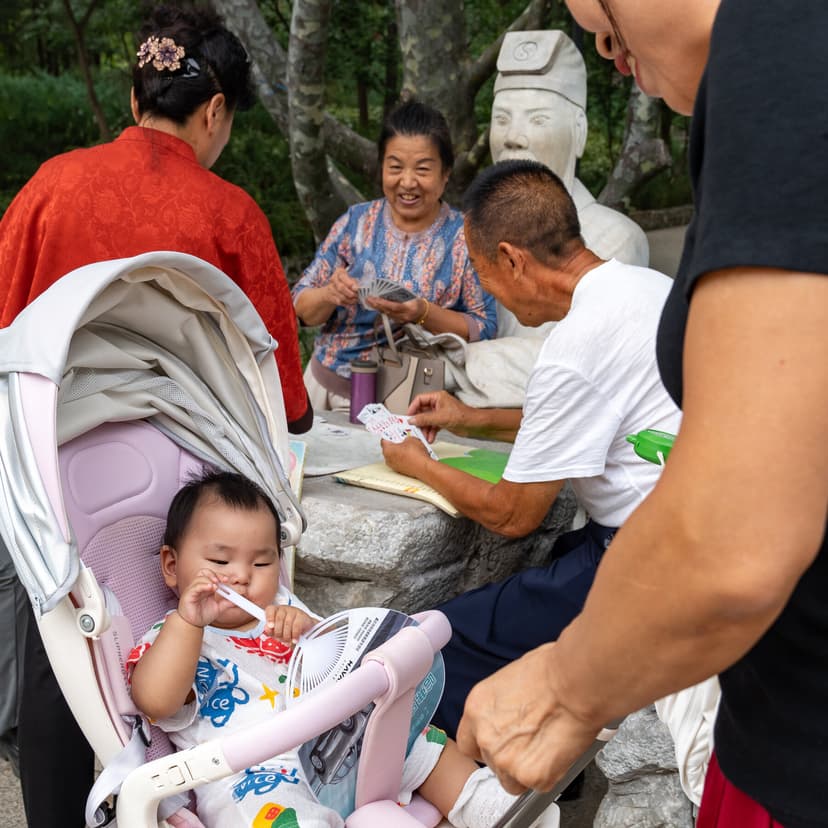
A new analysis delves into the intricate relationship between declining birthrates, the rise of artificial intelligence, and their combined impact on climate change, challenging common assumptions.