8 sheltered pickleball courts open to public from March 16 at Little India Bus Terminal - The Straits Times
8 sheltered pickleball courts open to public from March 16 at Little India Bus Terminal The Straits Times
36 stories found
8 sheltered pickleball courts open to public from March 16 at Little India Bus Terminal The Straits Times

Guide dog Pickle has been stealing the spotlight in Milan-Cortina.
Colorado Rockies news and links for Tuesday, March 10, 2026
When should you do a roll volley vs. a punch volley? We've got the answer to that popular pickleball question

A new S$10 million grant was also announced to encourage the formation of multi-school co-curricular activity teams.
Buffalo is in a pickle.
Prospective pickleball players were tested on serve speed, return speed, accuracy and more as the Scorpions prepare for the 2026 draft

An ecologist in Lithuania highlights common mistakes in waste sorting, such as mixing dairy containers, pickle jars, diapers, and paper towels, and encourages a different perspective on waste management.

The Hungarikum Collection has reached 100 items with the addition of local delicacies like tepertős pogácsa and Vecsés pickles, while the Hungarian Heritage Collection also expanded with cultural icons like the card game ulti and the horse Kincsem.
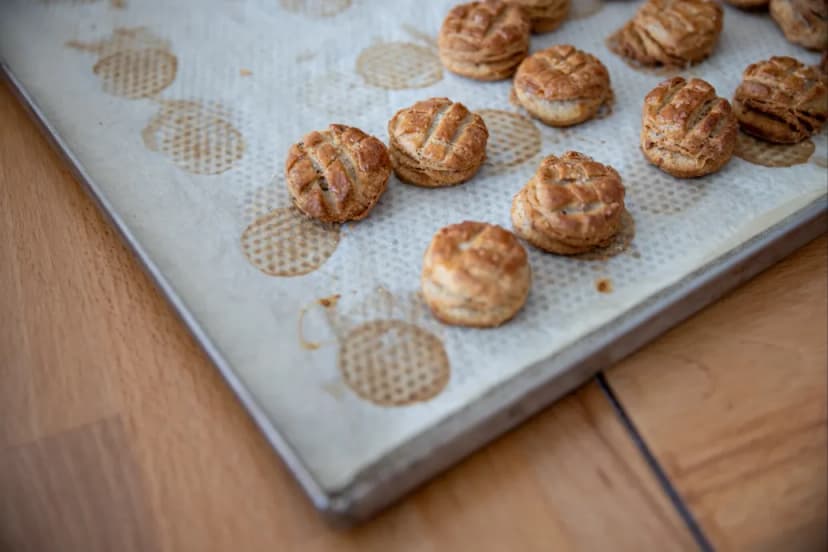
The Hungarikum Committee has decided to add Vecsés pickles and 'tepertős pogácsa' (pork crackling scone) to the list of Hungarian national values, bringing the total number of 'hungarikums' to one hundred.

Plans are underway to develop 70 hectares of open space along Mumbai's Coastal Road, incorporating amenities such as bird trails, micro forests, and pickleball courts.
After writing about Amazon sellers for years, the author decided to try e-commerce for herself. Kathleen Elkins In early 2025, a friend and I launched a pickleball paddle company with about $10,000. We haven't yet cracked the Amazon code, and the learning curve has gotten expensive. After paying hundreds of dollars in long-term storage fees, we removed a bunch of inventory from Amazon. When Amazon tried to charge my business account $288.56 last month, the payment didn't go through. Instead, I got an "insufficient funds" notification on my phone. Turns out, it's expensive to let inventory — especially "aged inventory" — sit in an Amazon warehouse. The "aged inventory surcharge" quite literally bled my business partner and me dry. By February 2026, our business bank account balance sat just above $6. Kathleen Elkins Let me back up. In 2024, inspired by the successful e-commerce entrepreneurs and Amazon sellers I write about, I decided to start my own business. I convinced a friend to join me, and we each put in $5,000 from our own savings to launch a pickleball paddle company. We hired my high school English teacher to design our logo, we worked with a sourcing company to find a manufacturer, and we spent about a year developing our paddle before placing our first inventory order in early 2025. The minimum order quantity was 500 units. We shipped 250 paddles to ourselves in Los Angeles and sent the other 250 to Amazon. The plan was to run a hybrid Shopify-Amazon model while we figured out who our typical customer was. That was advice from an e-commerce industry veteran. He told us that, on Shopify, we'd earn better margins because there are fewer platform fees, but we'd have to generate our own traffic through social media, ads, and word of mouth. On Amazon, we'd sacrifice margin, but gain visibility. As he put it: "Amazon is guaranteed traffic. There's a guaranteed flow of people who are going to see your product every single day." After a year, we haven't cracked the Amazon code, and the learning curve has gotten expensive. Among the various Amazon seller fees is an "aged inventory surcharge." It's charged on units stored in its fulfillment network for 181 days or more, in addition to its standard monthly storage fees. The surcharge increases the longer your inventory sits. Items aged 181 to 210 days cost $0.50 per cubic foot. At 211 to 240 days, it jumps to $1 per cubic foot. Our inventory, sitting in the 331- to 365-day range, costs $5.90 per cubic foot. We didn't fully understand the cost structure until it started hitting our bank account. Here's a screenshot from our Amazon seller account showing our service fees between November 2025 and February 2026. Kathleen Elkins Last month, we owed nearly $300 in service fees — much more than we were bringing in in sales. Rather than continue to see that number climb (items aged 456 days or more would cost us $7.90 per cubic foot or $0.35 per unit, whichever is greater), we decided to pull most of our inventory out of Amazon. The removal process took five minutes. We submitted a removal order for about 200 paddles, and were surprised when 40 of our units arrived on my doorstep the next day. According to Amazon's website, removal orders can take 90 days or more to process before leaving a fulfillment center, plus another two weeks for delivery. We're still waiting on the rest of the inventory, and we haven't fully escaped fees. There's a removal fee, which is charged per unit and based on the unit's shipping weight, that we expect to show up on our next statement. Plus, the 30 or so paddles that we left in Amazon's warehouse will trigger storage fees. We don't want to abandon Amazon entirely; we just don't have the time and resources to dedicate to figuring out that sales channel. For now, we're shifting our focus to Shopify, in-person events, and wholesale partnerships. If we hit another sales dry spell, at least we won't be paying hundreds of dollars a month just to store our own product. We're not discouraged. It's just one more lesson in our crash course in e-commerce, but it's a big one: Understand the fees. On Amazon, unsold product isn't harmless. It's expensive. Read the original article on Business Insider
Calhoun, who authored the book with Dom Amore, won NCAA national championships in 1999, 2004 and 2011.
Guide dog Pickle has been stealing the spotlight in Milan-Cortina.
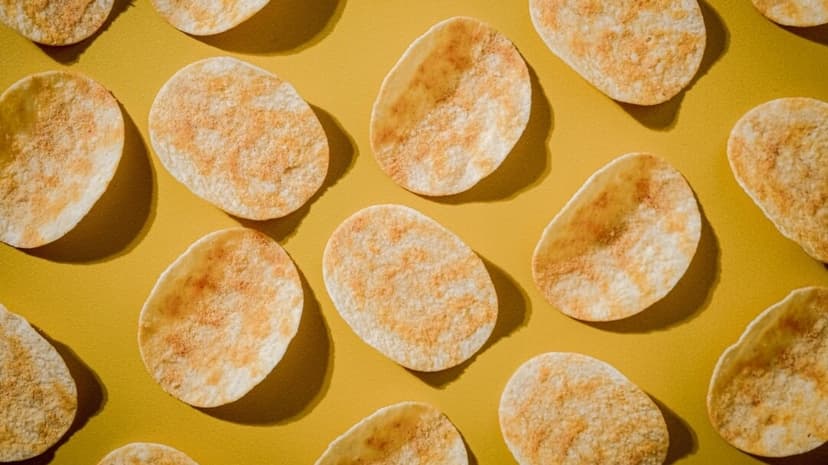
Frito-Lay has recalled specific bags of Miss Vickie’s Spicy Dill Pickle Potato Chips due to undeclared milk allergen.
Arman Tsarukyan may not have the 155-pound title, but he’s the most talked about lightweight in UFC. The No.
Back in 2015, Rory McIlroy missed out on the Memorial Tournament. McIlroy also skipped the 2025 event and did not reach out to Jack Nicklaus to explain his decision to miss Muirfield Village.
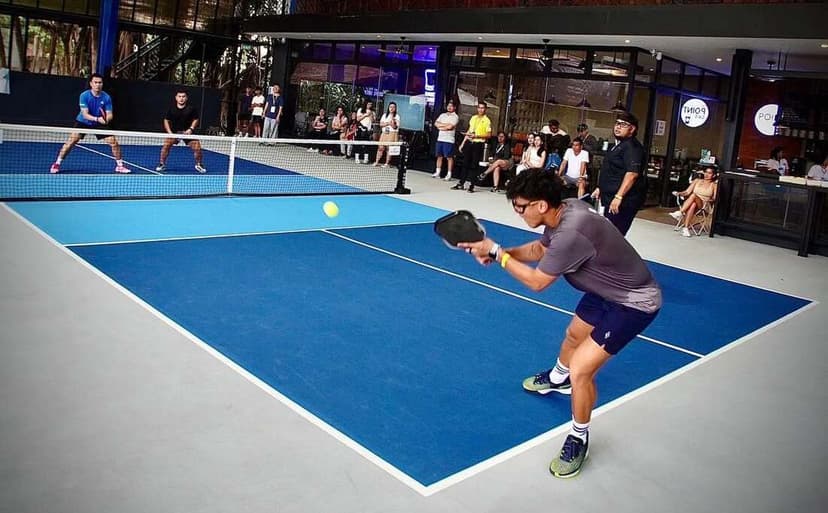
The Philippine Pickleball Federation aims to track registered Filipino players across sanctioned events and build a clear national rankings ladder
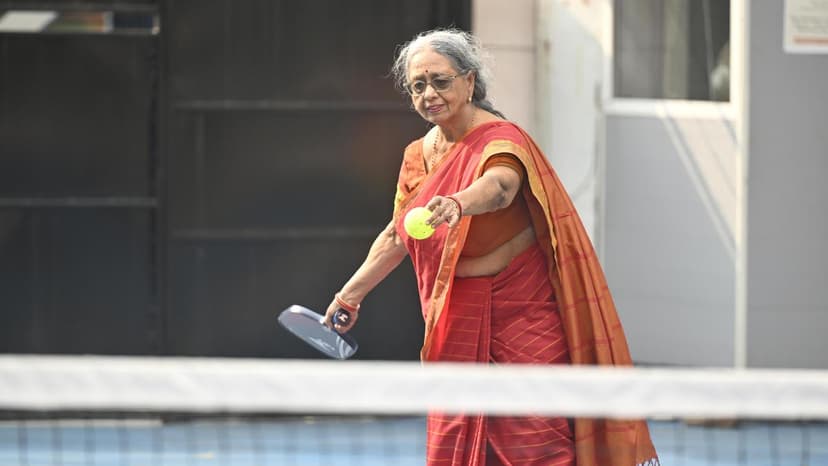
Ever wondered why this game, which began way back in the 1960s, has suddenly become a lot more popular among your social circles?
Youth build bridges with pickleball China Daily

Nearly every Sunday, consultant Toh Jia Jie and his wife leave their new flat in Singapore and drive north across the border to Johor for a day of cheaper shopping, pickleball and massages before returning past midnight on Monday morning. Toh, 30, is among the close to 245 million travellers who passed through Singapore’s checkpoints last year, a record high. The Immigration and Checkpoints Authority (ICA) said on Monday that figure represented a 6.3 per cent increase – about 14 million more...

The 70 hectares of open space along Mumbai's Coastal Road are slated for development, including bird trails, micro forests, and pickleball courts.

RFK Jr. and Kid Rock have released a workout video featuring them exercising, playing pickleball, and lounging in a pool, encouraging Americans to 'get active'.
Guide dog Pickle has been stealing the spotlight in Milan-Cortina.



A recipe for creamy pickle sauce is spreading on social media. It's simple to prepare, and the key ingredients are crunchy pickles, cream cheese, cheddar, bacon, and jalapeño peppers.
Noise, parking worries over TTDI pickleball project The Star
Andre Agassi weighs in on pickleball vs tennis debate Andre Agassi has found himself drawn into the growing debate between pickleball and tennis, with fans from both sides eager to hear his take.

Whether you're picking up pickleball or padel, choosing the right paddle or racket can make or break your game.
Hyperspace Ventures is the primary owner but among the minority owners are Florida Panthers captain Aleksander Barkov and former U.S. Open tennis champion Bianca Andreescu.
Youth build bridges with pickleball China Daily
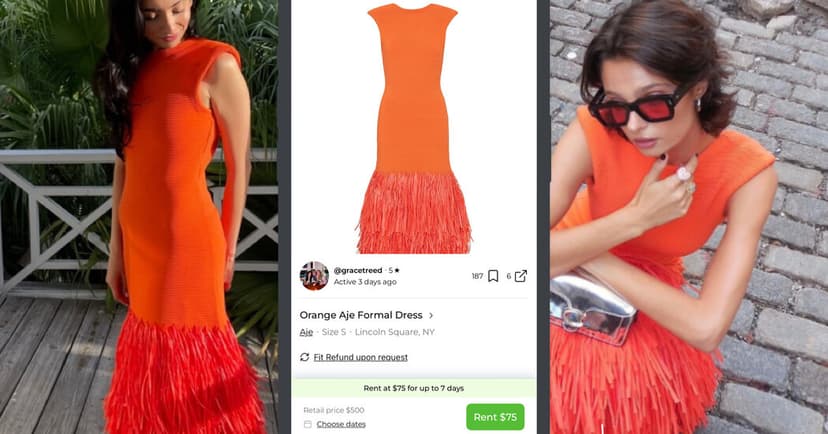
A new peer-to-peer apparel-rental app called Pickle has launched, aiming to help users stay on trend without incurring debt or contributing to fast fashion's environmental impact.
A pair of Michigan athletes officially broke the Guinness World Record for the longest marathon playing singles pickleball with a 28-hour game.
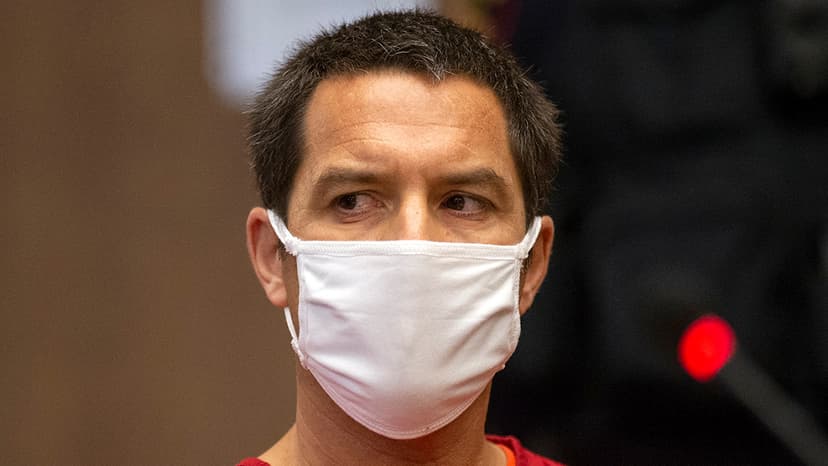
The inmate who assaulted convicted murderer Scott Peterson during a pickleball match in prison will not face criminal charges, according to recent reports.