Can aggressive IAEA inspections replace 'zero enrichment' to stop an Iranian nuke? - analysis
What would an "anytime, anywhere" nuclear inspections regime look like?
191 stories found
What would an "anytime, anywhere" nuclear inspections regime look like?

Everything that has happened in the last year, and above all the mood of the citizens, indicates to me that we are in the final phase of the dictatorial regime, which is already ready for history, said the professor.
An opinion piece from The Wall Street Journal discusses the gradual decline and potential collapse of the Cuban regime.
Iran’s Student Protesters Clash With Regime Loyalists The Wall Street Journal
Der Oberste Gerichtshof hebt eine Reihe von Zöllen der US-Regierung auf. Trump verkündet darauf gleich neue. Zu den Verlierern gehört Europa. Ein aus europäischer Sicht schwacher Deal aus dem vergange
Rowers are participating in early indoor tests as part of their training regimen.

In Iran herrscht angespanntes Warten. Viele rechnen mit einem US-Angriff, etliche hoffen auf einen Sturz des Regimes. Doch Trump scheint es nicht mehr vorrangig um die Menschenrechte zu gehen. Eindrüc
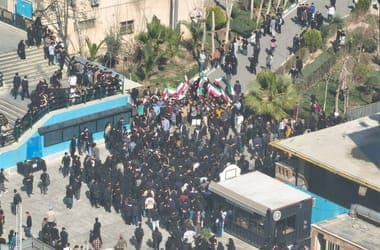
New anti-government demonstrations have taken place in Tehran, marking the first major series of protests since the regime brutally suppressed the last wave in January.
Iran’s Student Protesters Clash With Regime Loyalists The Wall Street Journal

A new special educational needs regime in England is projected to result in approximately 270,000 fewer children receiving legally binding support plans (EHCPs).
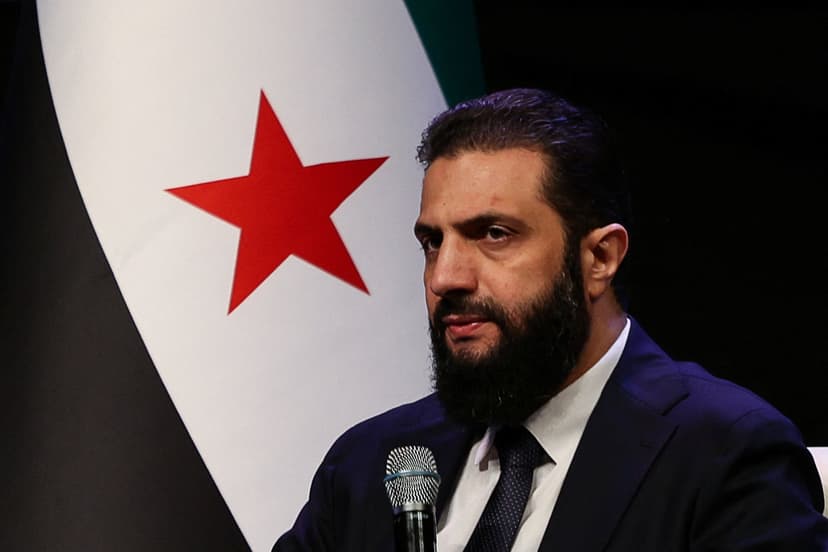
Syria's justice minister announced the government has formally requested the extradition of former regime dictator Bashar Assad and other figures, promising no amnesty for blood crimes.
Iran’s Student Protesters Clash With Regime Loyalists The Wall Street Journal
Iran’s Student Protesters Clash With Regime Loyalists The Wall Street Journal
Iran’s Student Protesters Clash With Regime Loyalists The Wall Street Journal
Iranian students organized demonstrations to mark the anniversary of suppressed protests, gathering at several universities where tensions were high. Some students waved monarchist flags and chanted opposing slogans.
Iranian women are at the forefront of a slow but unstoppable cultural revolution, challenging the mandatory hijab as a symbol of oppression and inflicting a deep legitimacy crisis on the ayatollahs' regime.
Iran’s Student Protesters Clash With Regime Loyalists The Wall Street Journal

MEP Luděk Niedermayer argues that the European economy must change, suggesting a multi-speed approach is better than inaction, as the European Commission prepares proposals for capital market adjustments and a '28th regime' to boost competitiveness.
Cuban security forces have reportedly exited Venezuela, a move that comes as the United States increases pressure on the Maduro regime.

Carlos, a political prisoner released from a Venezuelan torture prison, has broken a gag order from the regime to share his experiences from years behind bars.
Teheran will den USA möglichst schnell maximalen Schaden zufügen, sollten die Amerikaner das Land aus der Luft angreifen. Das theokratische Regime geht davon aus, dass US-Präsident Donald Trump aus in
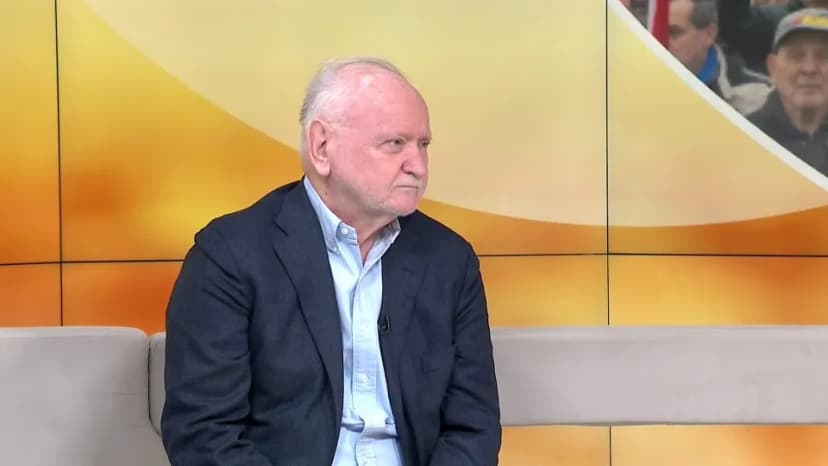
A psychologist and former vice-president stated that Serbia is experiencing an undeclared state of emergency, with the regime's sole focus being to remain in power as long as possible.
Patriots in Senegal have issued a response amidst a clash against the Diomaye-Sonko regime, as reported by Seneweb.
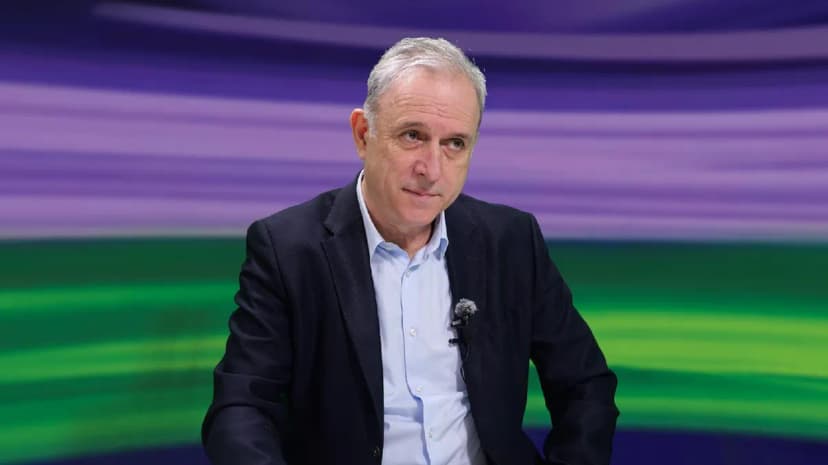
Serbian opposition figures accuse the current regime of preparing to stay in power by fostering a merger between crime and police, and of seeking revenge against opponents.

Visit by Indian trade delegation was due to begin on Monday but has now been postponed indefinitely after US Supreme Court ruling on Trump’s tariff regime
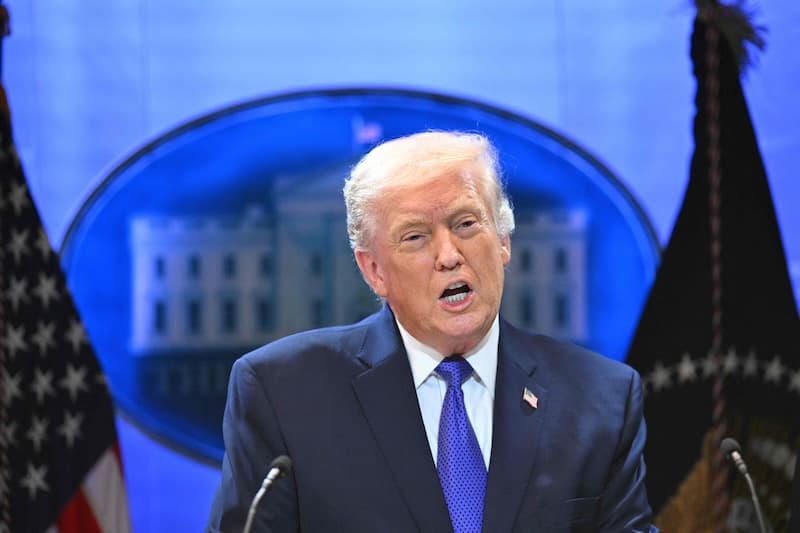
US President Donald Trump has raised global import tariffs to 15 per cent days after the Supreme Court ruled that his earlier levies broke the law. The move deepens a dispute between the White House and the court and leaves businesses seeking refunds for an estimated $133bn collected under the previous regime. On Friday, the Supreme Court held that Trump had exceeded his authority by imposing broad tariffs under the International Emergency Economic Powers Act of 1977.
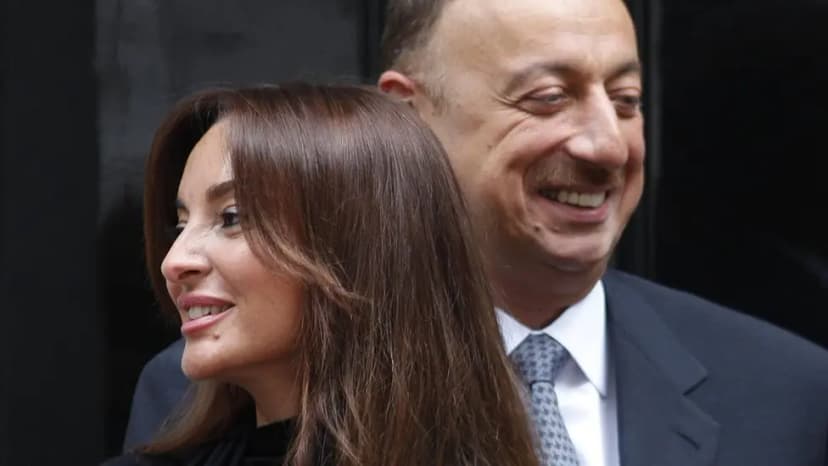
The Aliyev regime’s weaponisation of women’s bodies is now being used against them.
Anti-regime Protests Break Out in Top Iran Universities as U.S. Strike Appears Imminent Haaretz
An analysis explores the narrow and risky options available for replacing Iran's regime should it fall, considering the complex political landscape.

Unknown assailants attacked soldiers from the Aidar regiment in a city within Ukraine's Dnipropetrovsk region.
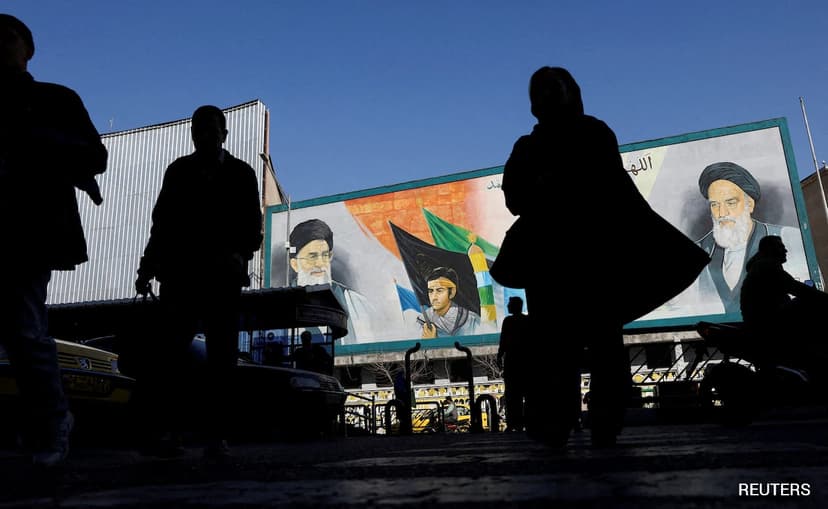
The military options are the latest signs that the United States is preparing for a serious conflict with Iran should diplomatic efforts fail.
.png%3Fwidth%3D1200%26auto%3Dwebp%26trim%3D0%252C100%252C0%252C100&w=828&q=75)
Iranian medics and lawyers report facing persecution from the Islamic regime for providing assistance to anti-government protesters during a deadly crackdown.

A headline from the Serbian pro-regime tabloid Informer, published on February 22, 2022, stating 'Ukraine attacked Russia,' is recirculating on social media, just two days before Russia's full-scale invasion of Ukraine.

Journalist Jovana S. Polić believes that the current 'offensive on the media' signifies the impending end of the existing regime.
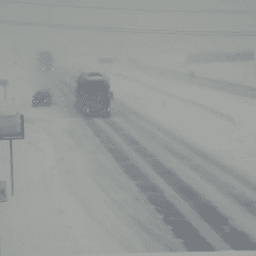
A special maintenance regime is in place on state roads in Lääne County due to severe weather conditions, including heavy snowfall and drifting snow, until 9 p.m., the Transport Administration has sai
Anti-regime Protests Break Out in Top Iran Universities as U.S. Strike Appears Imminent Haaretz
"Yakaar Bou Tass": Ngaaka Blindé's punchlines that resonate like a cry against the regime, injustice, and homosexuality Seneweb
With a new regime at the helm, the Miami Dolphins are reportedly looking to sign several 'sneaky good' NFL free agents during the 2026 offseason to bolster their roster.
Eintracht Frankfurt striker Jonathan Burkardt shared his mixed feelings about his Bundesliga comeback and the team's performance under new head coach Albert Rie.
An article explores the realities of daily existence for citizens living under a dictatorial regime.
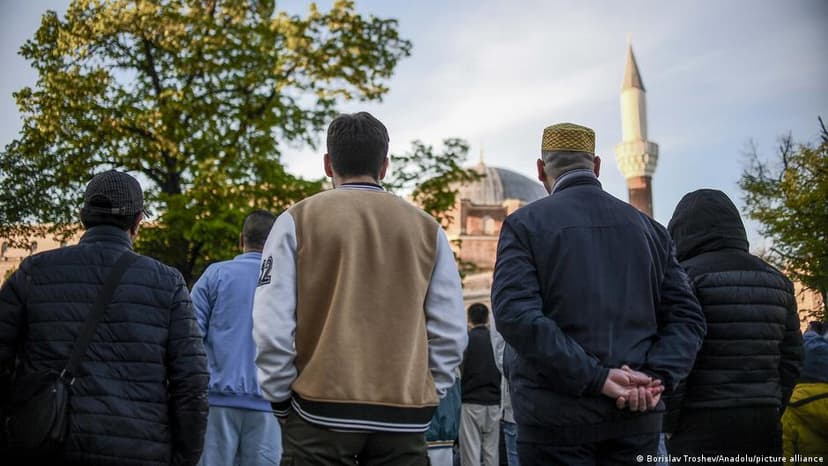
Bulgaria's Turkish community, descendants of Ottoman settlers, suffered severe persecution under the communist regime. Yet little has been done to address the injustice.
Venezuela's parliament has passed a bill to grant amnesty to individuals detained under previous regimes, though human rights groups are calling for the immediate release of all political prisoners, citing the bill's limited scope.
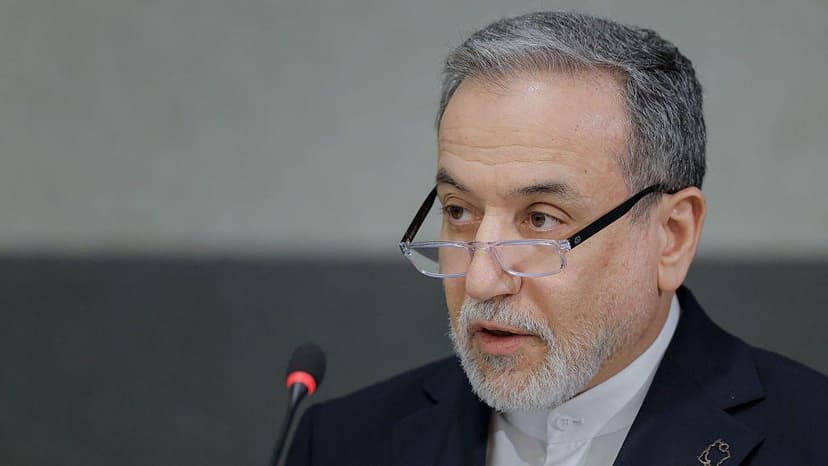
Trump's new threat came a day after he appeared to give Iran about 10 days to agree to a deal to curb its nuclear programme.
The Wall Street Journal reports that President Trump is considering an initial limited military strike to compel Iran into a new nuclear deal.

"Hubris Generally Precedes Clusterf**k": Does It Smell Like Victory? Authored by James Howard Kunstler, The message seems to be something like the USA isn’t messing around with all those strike forces in the waters around Iran. The Islamic Republic suddenly looks like Rock-and-Hard-Place-Land. Everybody and his uncle are trying to figure out the calculus in play, World War Three or a happy ending? You’re seeing the most significant US military build-up over there in memory. Smells a little bit like first Gulf War, 1991 — minus all those allies we roped in then. Mr. Trump (via Marco Rubio) has read Euroland out on this one. We are in a cold war with those birds, in case you haven’t noticed. The UK, France, Germany & Co.? They are as crazy as the ladies of The View and their millions of Cluster-B followers. Euroland is yet in thrall to the climate nutters, the farm-and-industry-destroyers, the one-worlders, the Jihad-migrationists, the floundering banksters, and the Klaus Schwab wannabes. Euroland seeks to throttle free speech throughout Western Civ and meddle in everyone’s elections. Euroland keeps mouthing off about a war with Russia despite having no military mojo and going broke-ass broke faster than you can say Götterdämmerung. Bottom line: the US is going solo on this one. What is the objective? Ostensibly “a deal” over Iran’s nuclear weapons program. Like, just cut it out, will you, please? By the way, did you know that Supreme Leader Ayatollah Khamenei issued a fatwa in 2005 saying production, stockpiling, and use of nuclear weapons was forbidden under Islam. But then deception is allowed in Islam under the doctrine of taqiyya, against the threat of attack from hostile forces, I’m sure you remember Operation Midnight Hammer in June last year when we attacked and supposedly “obliterated” Iran’s nuclear research and development bunkers at Fordow, Natanz, and Isfahan? They got pretty banged-up, you may be sure, and nobody in Iran denied there was something nukey going on in those installations. Is there a will there to rebuild the whole darn infrastructure of uranium enrichment and so forth? The mullahs are not saying, which means: of course, they intend to continue developing nuclear weapons — and even if that’s a stupid and futile gambit, given recent history, they still have factories churning out plain old long-range ballistic missiles and new drones by the thousands. Let’s face it: the mullahs are hardcore for Jihad and martyrdom. Since being elevated to Supreme Leader in 1989, Ayatollah Khamenei has sought relentlessly to transform the traditional Islamic concept of Jihad and establish it as the central pillar of the regime’s ideology. Are we doing Israel’s bidding there? (Cue: roar of affirmation.) But then, Israel has a point. Iran has been cuckoo for going on forty years. If Israel wasn’t a target of the mullahs’ eternal Shia wrath, there are their other enemies, the Sunni, on the west side of the Persian Gulf (and next door in Iraq). And consider, too, Iran’s obdurate sponsorship of Jihad, wherever possible, both within and outside the Ummah — including especially Western Civ, where low-grade Jihad has been going on for over a decade. . . mass murders, rape gangs, beheadings, trucks through the Christmas markets. . . . Okay, if Euroland is out, what about the other big dogs, Russia and China. Will they just stand by and let the US have its wicked way with Iran? Russia sent a corvette-class naval vessel down to the Straits of Hormuz for a joint operation with Iran’s navy, but what does that mean? Probably not much more than occupational therapy. Besides, Mr. Trump is just now promising to bring Russia “out from the cold” of all those onerous economic sanctions. . . to begin the process of normalizing relations. You might doubt that Russia wants to blow that for Iran’s sake. And, while it is somewhat out of the news due to the Epstein stink-bomb, and the deepness of mid-winter, there is still a war going on over in Ukraine. Which is to say, the Russians have their hands full in their own back-yard and might, perhaps, be hesitant about piling-on in Iran. And, let’s just suppose that the US objective is actually regime change in Iran. Would Russia be indisposed if the mullahs got kicked out of power? I doubt it. Russia has longstanding annoying issues with Islamic factions distributed throughout their adjoining former Soviet republics. Russia does not need Jihad. Russia might actually live more comfortably with Iran under a secular government, tilting a bit more western in temperament. Just sayin’. . . . China has more urgent concerns with Iran. China gets around 13-percent of its oil imports from Iran, and it enjoys a three to four percent discount on it. Regime change or war that could damage Iran’s oil terminals would be bad news for China. But then, China is at a long geographic remove from Iran, and China is not used to conducting military adventures so far from home, so don’t expect much assistance there. China’s other option would be to start a kerfuffle over Taiwan to distract and divert the US. We’ll just have to see about that. Uncle Xi Jinping has been busy lately sacking the upper echelons of his own military leadership. Are they even ready for action? Plus, China’s economy is wobbly. Consider also: has the US given China assurances of continued oil imports from Iran if it steers clear of the situation there? What are we operationally capable of over in Iran with all our warships, fighter jets, and other stuff? I don’t know. . . and neither do you. Looks impressive, but a couple of Sunburn-type missiles landing on the USS Abraham Lincoln could produce a profound instant attitude adjustment. Perhaps President Trump, WarSec Hegseth, and StateSec Rubio have more refined plans for disarming Iran and surgically removing the cuckoo-birds in charge. Our guys are certainly acting confident. But then in geopolitics confidence is best friends with hubris. And hubris generally precedes clusterfuck. The art of the deal is not for sissies. Tyler Durden Fri, 02/20/2026 - 16:20
President Trump is reportedly considering a limited military strike to compel Iran into a new nuclear deal, amidst ongoing tensions.

How Europe Is Investigating the Epstein Files - What’s News - WSJ Podcasts The Wall Street Journal
Matt Ryan states that the Atlanta Falcons' development of Michael Penix, the eighth overall pick two years ago, begins with ensuring his health, as the new regime has not committed to him.
ECB Quietly Prepares Global Liquidity Backstop As Euro Debt Wave Builds Submitted by Thomas Kolbe Starting in the third quarter of 2026, new rules will apply to the so-called euro repo facility. Central banks worldwide will be able to post up to €50 billion in euro-denominated collateral, such as government bonds, with the ECB in order to obtain euro liquidity from the central bank in cases of acute need. The goal is to guarantee the permanent availability of euro liquidity, replacing the previously time-limited repo lines. Central banks typically resort to this monetary policy instrument during phases of acute liquidity stress — most recently during the COVID lockdowns. The repo facility counts among the central banks’ immediate crisis tools. The so-called EUREP (Eurosystem Repo Facility for Central Banks) was launched on June 25, 2020, as a short-term liquidity solution for associated central banks: the Central Bank of Kosovo drew €100 million, Montenegro €250 million in short-term liquidity assistance. Repo auctions generally involve the exchange and short-term pledging of European government bonds for maturities of one to five days, which commercial banks deposit at the central bank in return for liquidity. The collateral is returned after a short period, and the so-called bank reserves are withdrawn again once the liquidity problem has been resolved and the interbank market is functioning properly. The ECB’s announcement that it will now offer this instrument globally — and over periods of several weeks or even months — raises eyebrows. It suggests that the monetary guardians of the Eurosystem may be anticipating a liquidity crisis in the not-too-distant future. Euro as a Reserve Currency The drastic expansion of sovereign debt within the eurozone system may explain why concerns are deepening at the ECB tower. If the two pillars, Germany and France, are each calculating net new borrowing of five percent this year alone — thereby placing a steadily growing volume of bonds on the markets — this generates palpable upward pressure on interest rates. At the same time, investors are asking how strongly the creditworthiness of individual euro states ultimately depends on Germany’s ability to service the mounting debt — a pressure that is manifesting itself in markets. Interest rates have already been rising for more than three years, particularly at the long end of the bond market. This suggests that confidence among large investors, who traditionally provide the bulk of liquidity in this market, is gradually eroding. Meanwhile, the euro is under pressure internationally: euro-denominated reserves currently account for less than 20 percent of global bank reserves and show a slight downward trend. Similar developments can be observed in the settlement of international transactions, where the euro holds roughly a 24 percent share. The dominant global actor remains the U.S. dollar, both as a reserve currency with a 59 percent share and in the settlement of international transactions at 47 percent. Against this backdrop, it becomes clear that Europe’s monetary authorities are facing an increasingly challenging combination of rising debt, growing interest rates, and a global environment that does not accord the euro the status of the U.S. dollar — factors that pose serious questions for the Eurosystem’s stability and liquidity. A severe blow to the euro’s international role was the European Union decision to permanently implement the Russia embargo and halt trade in Russian oil and gas. Russia had been among the few major energy market players willing to allow euro denomination and thus held substantial reserves. That era is over. However, rumors are circulating that the United States, in the event of a peace settlement in Ukraine, could restore Russia’s access to the SWIFT system. Would the EU then follow suit? A return to the status quo ante might require a different political regime in Brussels and Berlin. Growing Debt Volume A fiscal policy U-turn within the EU is also under discussion. Should member states agree on a “two-speed Europe” and implement joint financing of new debt via so-called Eurobonds, this would place the European bond market on an entirely new footing in terms of both volume and structure. European taxpayers — above all the still relatively less indebted Germans at the federal level — would then stand behind the credit guarantees. In Frankfurt, such a revolutionary step is expected to deliver a massive boost in global demand for euro-denominated bonds. One unknown in the geopolitical power struggle remains the Federal Reserve. On several occasions last year, the ECB warned of a possible shortage of U.S. dollars within the European banking system. The United States holds a powerful lever here: it can drive up the political price of bridging potential illiquidity through rapid swap lines — short-term loans within the dollar system to European banks and the ECB. Oversupply of Euro Bonds The Eurosystem thus faces immense absorption problems. If global demand for EU debt — that is, euro bonds — cannot be generated, interest rates will continue to rise. In light of the massive issuance wave of new euro sovereign bonds, the ECB would be forced to take this debt onto its own balance sheet to keep debt servicing in member states under control. The expansion of the repo facility into a permanent liquidity backstop therefore appears plausible. Global central banks would have an incentive to accumulate a growing share of euro bonds. Moreover, the volume would be available to gain direct access to the Eurosystem without assembling a portfolio of bonds from individual states. Germany’s relatively low debt level had in fact recently been a problem, as insufficient tranches of German federal bonds were available for larger capital allocations. Chancellor Friedrich Merz and his finance minister are currently eliminating this issue with their present debt policy. The ECB’s measures thus fit into a broader fiscal policy development that could culminate in a structural expansion of joint debt. By institutionally safeguarding international demand for euro bonds, the central bank is creating the infrastructural preconditions for a potential new debt regime within the European Union — while simultaneously shifting the boundary between monetary stabilization and fiscal support of state budgets. The European repo facility, once conceived as a rescue umbrella for liquidity problems, is gradually evolving into a classic, expanding debt pool. With eurozone government debt likely to rise from the current 92 percent of GDP to around 100 percent over the next two years, pressure on the ECB to devise mechanisms for distributing this flood of debt across global bond markets will intensify. Whether this succeeds appears highly doubtful given the euro economy’s chronic economic weakness. * * * About the author: Thomas Kolbe, a German graduate economist, has worked for over 25 years as a journalist and media producer for clients from various industries and business associations. As a publicist, he focuses on economic processes and observes geopolitical events from the perspective of the capital markets. His publications follow a philosophy that focuses on the individual and their right to self-determination. Tyler Durden Fri, 02/20/2026 - 08:30
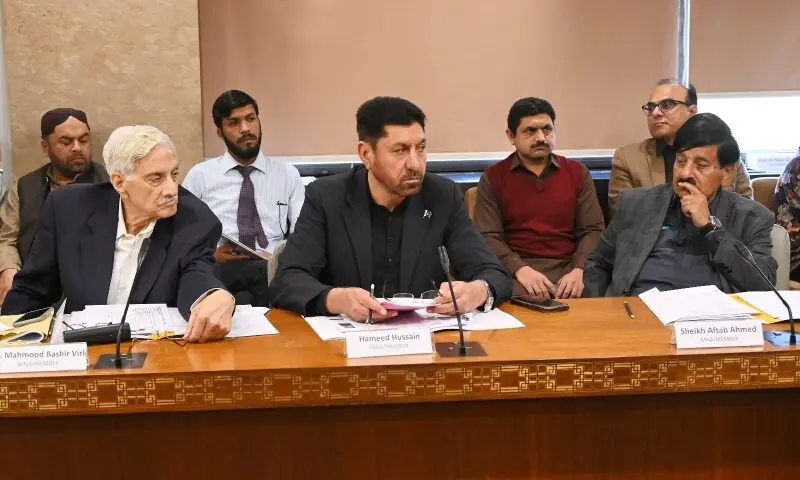
ISLAMABAD: The Pakistan Railways continues to face a significant sustainability gap, with its immediate obligations more than 10 times higher than the current operational surplus, a National Assembly panel was told on Thursday. “Against a current operational surplus of Rs2.4 billion, immediate obligations amount to Rs27.4 billion, highlighting a structural funding shortfall that requires strategic support and long-term financial restructuring to ensure sustainable operations,” Pakistan Railways’ member of finance told the National Assembly’s Standing Committee on Parliamentary Affairs, which met here with Rana Iradat Sharif Khan, MNA, in the chair. The secretary of parliamentary affairs briefed the committee on the status of complaints received about Pakistan Railways pensioners to the Prime Minister’s Delivery Unit. The member of finance told the committee that PR has undertaken active liability management to address longstanding employee obligations, disbursing Rs5.622bn towards commutation payments (cleared up to 31 May, 2023) and Rs1.103bn towards leave encashment (cleared up to 31 March, 2024). He said while these measures reflect improved financial discipline and commitment to institutional responsibility, the huge gap between available resources and the obligations warranted some action. The representative from National Highway Authority (NHA) briefed the committee on the problems caused by traffic congestion on the Motorway Toll Plaza near Phoolnagar, Qasoor district. The committee was informed that in compliance with the approval of NHA Executive Board for revenue enhancement a new toll plaza was established at Phoolnagar, located at KM 1215-1216 in March 2025. Initially, a temporary structured toll plaza (3 × lanes on each side) was established on the existing road. Due to limited numbers of lanes, traffic congestion occurred frequently. Due to establishment of new toll collection regime, the commuters’ response was very slow for toll payments, resulting in long queues of locals at toll booths. Currently, a new 12-lane (6x lanes each side) toll plaza is 90 per cent completed. Published in Dawn, February 20th, 2026

A video explains the long-standing history of animosity and rivalry between Washington and the Islamic Republic of Iran.

The U.S. dollar is currently in a period of stagnation, despite beliefs that a significant regime change is not underway.

The Trump administration is pulling its forces out of Syria as part of a strategic shift, coinciding with the new government of President Ahmed al-Sharaa asserting control.

Calm Market Waters Hide Fierce Undercurrents Authored by Michael Lebowitz via RealInvestmentAdvice.com, The price movement in the broad S&P 500 index is relatively calm. Yet the market’s undercurrent, as measured by sharply diverging returns across stock sectors and factors, is anything but calm. The current market picture we paint is well embodied by a quote from Jules Verne in 20,000 Leagues Under the Sea. “The sea was perfectly calm; scarcely a ripple disturbed its surface. But beneath this tranquil exterior, powerful currents were flowing with irresistible force.” Given this divergence between the calm market surface and the volatility of its underlying stocks’ returns, let’s get a better grip on the market’s undercurrent and decipher what it may be trying to tell us. A Calm Market The graph below shows that the S&P 500’s upward trend has recently flattened into a tight range with minimal volatility. Such consolidation is common after a sharp upward price trend, as the market experienced since early April. The next graph shows the average true range (ATR) for the index. ATR is a measure of realized volatility. As we define it, ATR is the percentage difference between the highest and lowest intraday prices over a rolling 20-day period. The current ATR is only about 3%, near the bottom of the range since 2015. It is also less than half the ten-year average. Both charts point to a relatively calm market with limited volatility. It’s worth noting that implied volatility (expected volatility) on the S&P 500 is around 20. While not low, it doesn’t suggest that investors expect significant volatility in the weeks ahead. The Markets Undercurrent While the broad S&P 500 market index is relatively calm, its undercurrent is anything but tranquil. Significant rotation trades, characterized by heavy trading activity in and out of various sectors and factors, have led to large daily divergences in the performance of certain sectors and stock factors. We use the dispersion of returns to quantify the market’s fierce undercurrent. For this article, we take the 20-day percentage price changes for sector and factor groups and then calculate the standard deviation of those changes. The more divergent the returns, the higher the standard deviation. The first graph below shows that the current standard deviation of returns across all sectors is at its second-highest level since early 2023. The following graph uses factors such as growth and value, market cap, and momentum. It also shows that returns among various factors are highly dispersed. Next, we share a graph, courtesy of Nomura, that delves deeper into the recent dispersion. It compares the average move for all S&P 500 stocks over the last 20 days to that of the S&P 500 index. As the graph shows, the relative volatility of individual stock returns versus the market is now at levels last seen during the financial crisis and the dotcom crash. Cross-Sector Correlation To further quantify the market’s strong undercurrent, we examine the correlation of returns among the S&P 500 sectors. The first table shows the correlation between the weekly returns thus far this year. The second table is for 2025. In 2026, the average correlation among all sectors is a mere 0.066, compared to the statistically significant 0.517 in 2025. Moreover, the standard deviation of the correlations is much greater this year than last year. This, as with the graphs above, further indicates that the various sectors are currently showing a large divergence in weekly returns compared to last year. We also ran the average correlation from 2019 through 2025, including the tumultuous pandemic sell-off and sharp recovery, and arrived at an average correlation of .68 and a standard deviation of .175. Our Takeaway The market’s surface may look calm, but beneath it, passive investors are actively shifting between narratives, valuations, and risk exposures. This reflects changing sentiment among investors about economic growth, inflation, monetary and fiscal policy, and the current political leadership. Historically, periods of elevated sector dispersion tend to occur during market transitions rather than steadily trending bull or bear markets. However, high dispersion after a long bullish trend is not automatically bearish. It may just represent the market searching for its next regime rather than distress. Furthermore, as we shared, high sector and factor dispersion is occurring alongside low cross-sector correlations. Typically, correlations between stocks are high during periods of crisis. As the old saying goes, “correlations go to one during a crisis.” Therefore, if correlations begin to rise and the market heads lower, the recent bout of high dispersion may not be a lasting shift in investor preferences but an omen of a downward trend. Summary Periods of high return dispersion are an opportunity for investors. As return performance gaps widen and valuation spreads develop, the ability to quantify the current rotation regime and anticipate the next one can deliver outperformance relative to the broader index. While the calm market undercurrent is fierce, it is in and of itself not of great concern. But, as we noted earlier, if we start to see returns among sectors and factors become more aligned, especially downwardly, our concern will heighten. Tyler Durden Wed, 02/18/2026 - 14:15
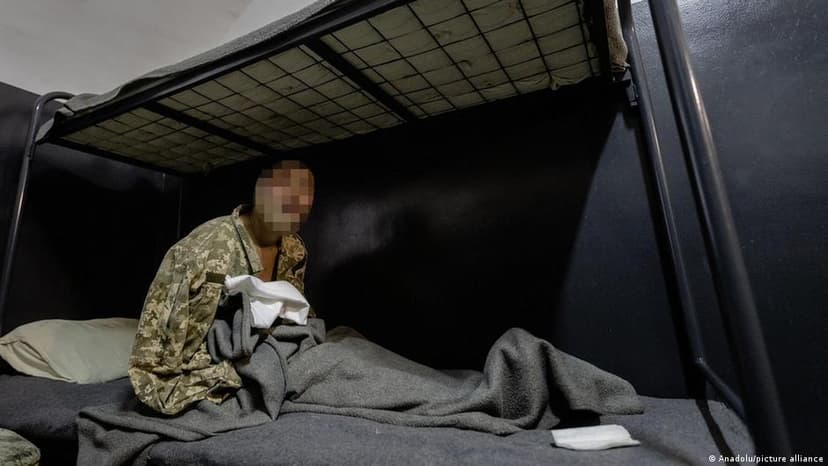
Two North Korean soldiers in Ukraine have expressed desire to move to South Korea rather than facing consequences for letting themselves be captured in the North. The regime might choose to punish their families instead.

Lilly announced that a regimen including its drug Zepbound demonstrated success in a clinical trial for treating psoriasis.

The International Olympic Committee has quietly removed a t-shirt from its online store that commemorated the 1936 Berlin Games, which were held during Adolf Hitler's regime.
The Miami Dolphins have released star players Tyreek Hill and Bradley Chubb, signaling a new direction for the team under its new regime.
An exclusive report reveals that the Pentagon deployed Anthropic's Claude artificial intelligence system during a raid targeting Maduro's regime in Venezuela.

A distraught Iranian family recounts being forced to pay for the bullet that killed their son, Hooman, during the brutal crackdown on anti-regime protests. This incident highlights the severe human rights abuses and the regime's violent suppression of dissent in Iran.

Investors are assessing the impact of Japanese political shifts on the yen and bonds, while experts advocate for a significant monetary policy regime change in both the US and Japan.
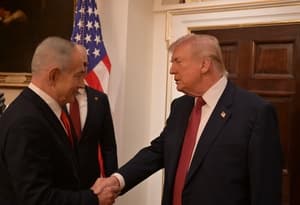
The Trump administration discussed with Israel pressing Iran to reduce oil sales to China, embraced the possibility of regime change, and prepared the US military for potentially weeks-long operations against Iran.
At this year's Munich Security Conference, Iran's exiled Crown Prince Reza Pahlavi has urged European leaders to help Iranians topple the Iranian regime. But does Europe have any leverage to deliver o
U.S. President Donald Trump has expressed support for a potential regime change in Iran and ordered a second aircraft carrier to the Middle East, signaling intensified pressure on the nation.

A book titled "Media Against Media – Strategies for Undermining the Credibility of Independent Media" was presented, warning that if independent media are shut down, the remaining independent outlets will also be targeted.
The AMSM reports smooth traffic on state roads, primarily dry, and reminds drivers of the mandatory winter equipment requirement from November 15, 2025, regardless of current weather.
Iran’s Student Protesters Clash With Regime Loyalists The Wall Street Journal
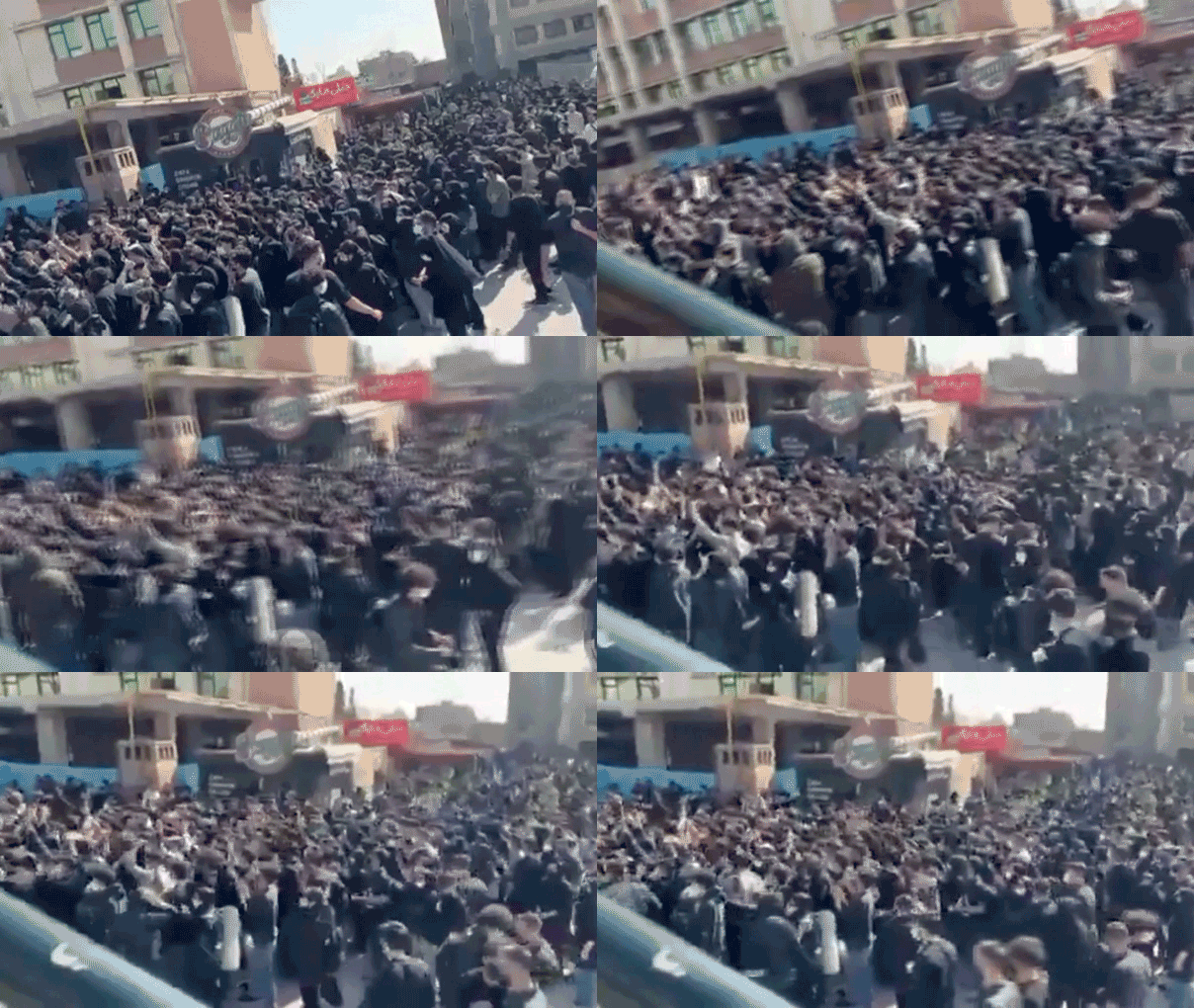
Iranian university students chanted anti-regime slogans in Tehran on Monday as nuclear talks with the U.S. and Iran are expected to resume on Thursday.
Iran’s Student Protesters Clash With Regime Loyalists The Wall Street Journal
Students across Iranian universities have resumed protests, calling for regime change amidst ongoing domestic unrest and international scrutiny.
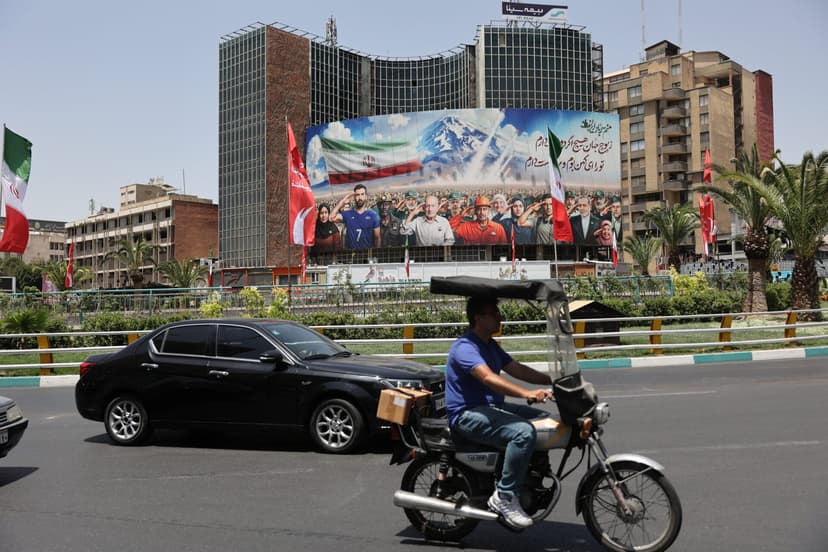
A new wave of demonstrations, including both anti-regime protests and pro-regime counter-rallies, erupted over the weekend at at least five universities in Tehran, Iran.

A Ukrainian man has been sentenced to prison for offering over 870 stolen identities for sale or rent, which helped North Koreans obtain remote work in the United States. The workers' salaries were sent to Pyongyang, contributing to the regime's nuclear program.

City services in Panevėžys, Lithuania, are operating on an enhanced regime, conducting preventive salting operations as snowfall begins and freezing rain is forecast for early morning.
Iran’s Student Protesters Clash With Regime Loyalists The Wall Street Journal

Lidl will introduce new operating hours for its stores across Serbia starting March 1, marking the first major change to its working regime since the company entered the Serbian market in 2018.

Exiled Iranian princess Noor Pahlavi stated that Iran is closer to regime change than ever before, asserting that the current leadership is at its weakest point in decades.
Iran’s Student Protesters Clash With Regime Loyalists The Wall Street Journal
Iran’s Student Protesters Clash With Regime Loyalists The Wall Street Journal

Anti-government protests have intensified for a second consecutive day at several Iranian universities, leading to clashes as students express their dissent amidst looming threats from the United States.

As chief negotiators prepare for final talks in Geneva to avert military conflict, President Trump is reportedly considering a targeted attack on Iran, followed by a larger strike.
US military buildup in the Middle East signals a possible strike on Iran’s regime, with analysts suggesting it could lead to regime collapse within weeks.
Washington needs a politically credible Iranian counterpart, and Crown Prince Reza Pahlavi offers a clear path to transition.
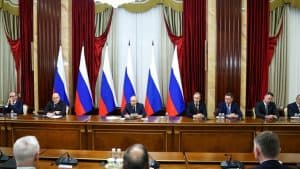
The article discusses how the war in Ukraine has altered the dynamics of power, leading to a new offensive by Vladimir Putin against wealthy bureaucrats who have benefited from the Kremlin's regime over the past two and a half decades.
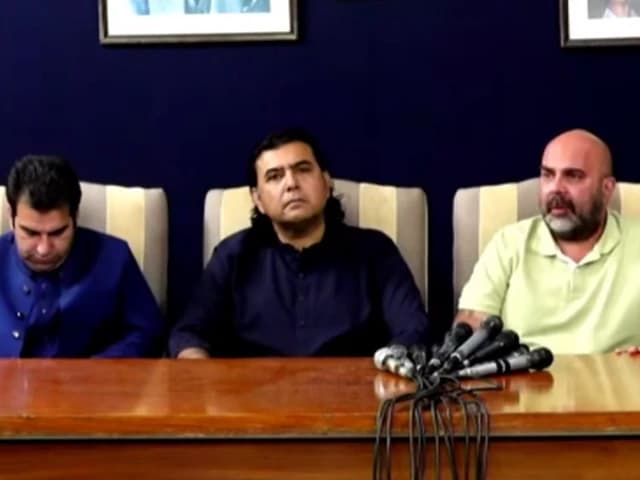
Mustafa Nawaz Khokhar warns the “hybrid regime” risks “playing with the country’s foundations
A Tehran resident reportedly told KAN Reshet Bet that anti-regime activists in Iran would prefer a precise Israeli strike over a destructive US attack, as they await a US response amid ongoing protests and crackdowns.
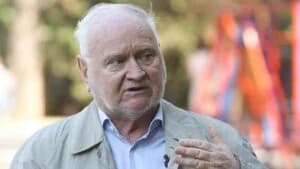
Psychologist and former Deputy Prime Minister Žarko Korać states that Serbia is experiencing an undeclared state of emergency, and the regime's sole focus is to remain in power.
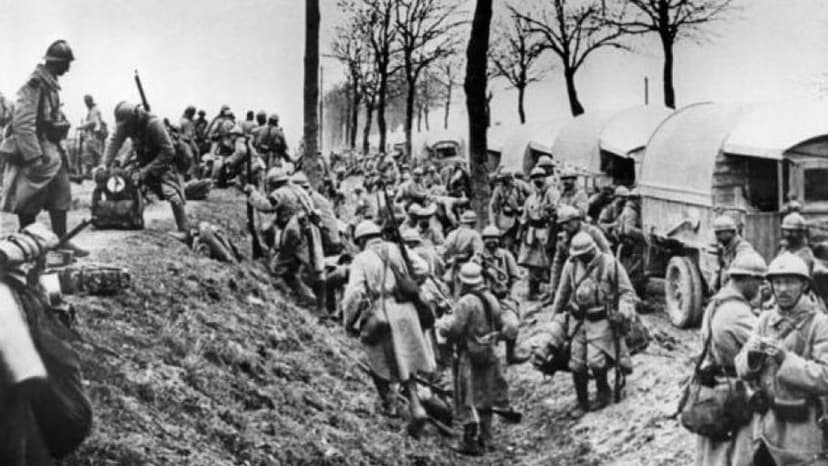
This article delves into the immense human cost of battles like Verdun and the Somme in 1916, noting how the French army consumed an infantry regiment every 48 hours, and how these historical events are still evoked today, even by leaders like Volodymyr Zelenskyy.

Journalist Jovana S. Polić stated that the offensive against the media is a sign of the current regime's end, drawing parallels from the history of authoritarian governments.
The Miami Dolphins, under a new regime, are reportedly looking to sign several 'sneaky good' free agents during the 2026 offseason.
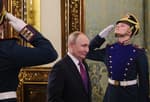
Four years after the invasion of Ukraine, cracks are appearing in Russia's internal front as the regime intensifies control amidst economic pressure and mounting casualties from the war.
Tyson Fury's next opponent, Arslanbek Makhmudov, has garnered attention for footage showing him wrestling a bear as part of his intense training regimen.
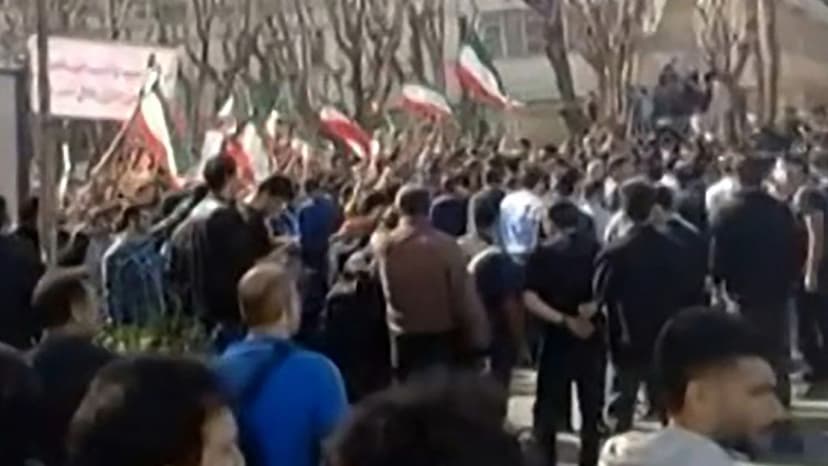
For the first time in over a month, demonstrations have been reported at universities in several Iranian cities, including Tehran, Mashhad, and Abdanan, against the regime.

The Islamic State jihadist organization has called on its fighters to oppose the new Syrian authorities. This marks the group's first recorded message in two years, indicating a renewed stance against the current regime.
Clash against the Diomaye-Sonko regime: the patriots' response in Ngaaka Blindé Seneweb
11.19 pc growth in TN due to projects implemented during AIADMK regime: Palaniswami

New protests have erupted in Iran, coinciding with US intelligence claims that the Iranian regime could develop a nuclear bomb within a week.

An exiled Iranian princess claims the Islamic regime is on the verge of collapse and is 'begging' President Trump for assistance.

An Iranian defector who fled the regime after refusing to suppress his own people has been deported by Turkey, returning him to the hands of the Iranian government.

Russia, together with representatives of the Lukashenko regime, including former Belarusian Interior Minister Vladimir Naumov, has set up a multi-tier network to remove agricultural products from Ukraine’s temporarily occupied territories and launder them as “Russian” or “Belarusian,” with subsequent deliveries to third-country markets.
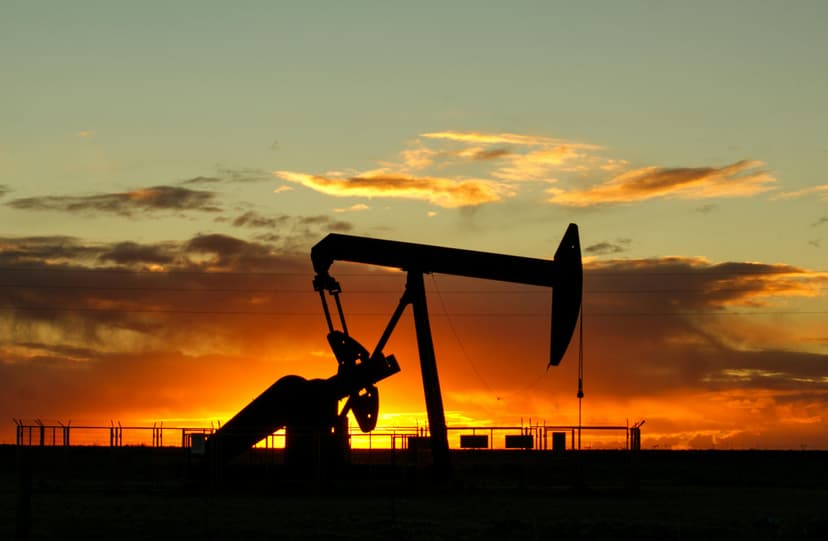
The Argentine government has expanded the benefits of its RIGI regime for oil and gas projects, extending the program until 2027 and lowering the minimum investment for onshore developments.
Clash against the Diomaye-Sonko regime: the patriots' response in Ngaaka Blindé Seneweb

Acclaimed Iranian filmmaker Jafar Panahi, visiting London for the first time in 20 years, condemned the Iranian Islamic Republic for “murdering” student protesters in Tehran last month. The director i
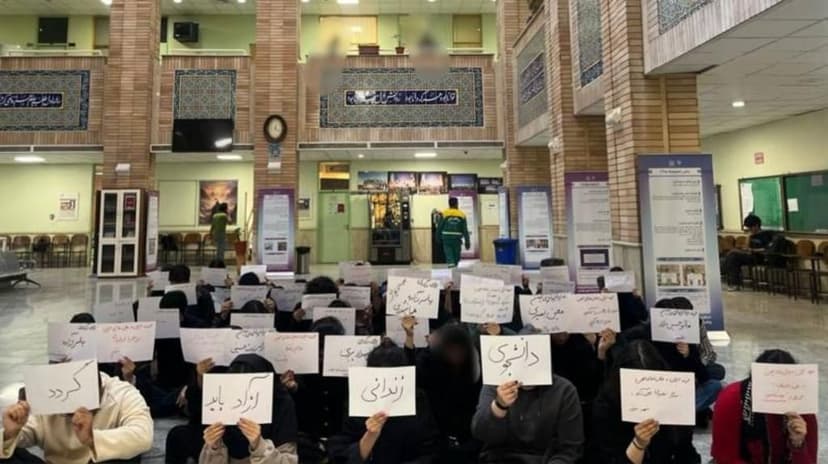
The student protesters honoured thousands of those killed when nationwide mass protests were put down last month.

Iranian students have initiated additional anti-regime protests on university campuses in Tehran as the new academic semester commences.
President Trump is reportedly considering an initial limited military strike to compel Iran into a new nuclear deal, escalating tensions in the region.

The Cuban-American Republican Pushing Back on Trump’s Deportations The Wall Street Journal
If Iran’s Regime Falls, Options to Replace It Are Narrow—and Risky The Wall Street Journal
An analysis suggests that if Iran's current regime falls, the options for its replacement are limited and fraught with risks.
President Trump is reportedly considering a limited military strike to compel Iran into a new nuclear deal, amidst ongoing tensions in the Middle East.
An analysis suggests that if the current Iranian regime collapses, the options for its replacement are limited and fraught with risks.
President Trump is reportedly considering a limited military strike to compel Iran into a new nuclear deal, amidst a buildup of U.S. military hardware in the Middle East and discussions about the risks of a regime change in Iran.

If Iran’s Regime Falls, Options to Replace It Are Narrow—and Risky The Wall Street Journal
Exiled Prince Reza Pahlavi has strongly condemned Iran's Supreme Leader Ali Khamenei, accusing the Islamic Republic of betraying its people and faith, and calling on Shias to 'reclaim faith'.

Medical Groups Sue FTC Over Probe Into Gender Dysphoria Treatments Authored by Zachary Stieber via The Epoch Times (emphasis ours), Two medical groups on Feb. 17 sued the federal government over its probe into the organizations’ recommendations for children with gender dysphoria, or the belief that they are a different gender. The Federal Trade Commission (FTC) in Washington on Aug. 6, 2024. Madalina Vasiliu/The Epoch Times The American Academy of Pediatrics and the Endocrine Society said in separate lawsuits filed in federal court in the District of Columbia that the Federal Trade Commission (FTC) is unconstitutionally targeting the groups over their speech. “Using the threat of investigation or prosecution against an organization in order to silence speech the government does not like is retaliation, prohibited by the First Amendment to the U.S. Constitution,” the American Academy of Pediatrics, which says it represents 67,000 pediatricians, said in its lawsuit. “Moreover, issuing an overbroad subpoena as a tool to compel disclosures in such a retaliatory action violates the Fourth Amendment.” The academy said in a 2018 statement, reaffirmed in 2023, that pediatricians could give drugs such as puberty blockers to children who identify as a gender different from their birth sex. FTC officials in a civil demand in January requested details on how the academy came up with the position, as well as each type of pediatric gender dysphoria treatment the academy had advertised or promoted, and whether there were any financial relationships between the organization and companies or doctors that treat gender dysphoria. Officials demanded similar information from the Endocrine Society, a nonprofit that promotes hormone science research and says it has 18,000 members. The society in 2017 said that people who have gender dysphoria or gender incongruence need “a safe and effective hormone regimen that will (1) suppress endogenous sex hormone secretion determined by the person’s genetic/gonadal sex and (2) maintain sex hormone levels within the normal range for the person’s affirmed gender.” FTC officials said in the demand letters that they are investigating whether false or unsubstantiated representations were made concerning the marketing and advertising of treatments for pediatric gender dysphoria. Federal law prohibits people from engaging in deceptive practices affecting commerce and disseminating false advertisements. The probe targets the Endocrine Society over speech that “reflects pure scientific opinion,” the society said in its legal challenge. If allowed to proceed, the investigation would “endanger the ability of organizations to share information and opinion on any issue, be that vaccine safety and efficacy, environmental health risks, emerging infectious diseases, or gender dysphoria,” it added later. The groups want judges to declare that the civil demands violated the First Amendment. Judges should immediately and permanently bar FTC officials from taking action against the groups over their treatment guidelines and any other statements concerning “gender affirming care,” the groups also said. The Epoch Times reached out to the FTC for comment but did not receive a response by the time of publication. Tyler Durden Thu, 02/19/2026 - 17:00
India's foreign asset reporting regime is aligning with global transparency standards, prompting a wake-up call for taxpayers to understand the requirements.

Canada's former deputy Prime Minister, Chrystia Freeland, shares strategies and red lines for negotiating with both autocratic regimes and international allies.

Panics, Politics, & Power: America's 3 Experiments With Central Banks Authored by Andrew Moran via The Epoch Times, The Federal Reserve, established more than a century ago, is the United States’ third experiment with central banking. For much of its existence, the institution maintained a low public profile. Only after the 2008 global financial crisis did the Fed begin communicating more openly, introducing post-meeting press conferences and allowing monetary policymakers to engage more frequently with the media. Greater transparency, however, has brought greater scrutiny. Public sentiment toward the Fed and its leadership has fluctuated over the years. Today, YouGov polling suggests the central bank is viewed favorably by 44 percent of Americans and unfavorably by 18 percent. If the Fed pursues a series of reforms, it will have “another great 100 years,” said Kevin Warsh, who was nominated by President Donald Trump to serve as the institution’s next chair. Comparable to past central banks, Warsh said, the current Federal Reserve System is beginning to lose the consent of the governed. “You can think about the Jacksonians of prior times say that the central bank seems like they’re trying to focus and they’re all preoccupied with those special interests on the East Coast, and they’ve lost track of what’s happening to us in the center of the country,” Warsh said in a July 2025 interview with the Hoover Institution’s Peter Robinson. “It’s a version of what worries me today.” What happened in the past, and why is it relevant to today’s central bank? The First Bank of the United States In the aftermath of the American Revolution, the United States faced a series of immense economic disruptions, forcing the nation’s architects to rebuild the economy. The objective was to lower inflation, restore the value of the nation’s currency, repay war debt, and revive the economy. Alexander Hamilton, the first secretary of the Treasury under the new Constitution, proposed establishing a national bank modeled on the Bank of England. Hamilton stated that a U.S. version would perform various duties, including issuing paper money, serving as the government’s fiscal agent, and protecting public funds. Not everyone shared Hamilton’s ebullience over a central bank. Thomas Jefferson, for example, feared that such an institution would not serve the nation’s best interests. Additionally, Jefferson and other critics argued that the Constitution did not grant the government the authority to create these entities. Nevertheless, Congress enacted legislation to establish the Bank of the United States. President George Washington then signed the bill in February 1791. Two of America's founding fathers: Thomas Jefferson (L) and Alexander Hamilton. The White House While bank officials did not conduct monetary policy as modern central banks do, they did influence the supply of money and credit, as well as interest rates. The entity managed the money supply by controlling when to redeem or retain state‑bank notes. If it sought to tighten credit, it would require payment in gold or silver, thereby draining state banks’ reserves and limiting their ability to issue new notes. If it wanted to expand credit, it simply held on to those notes, boosting state‑bank reserves and enabling them to lend more. By 1811, the national bank’s charter expired. While there had been discussions of allowing it to continue maintaining operations, Congress—both chambers—voted against renewing its mandate by a single vote. Its closure came shortly before the War of 1812, which fueled inflation and weakened the currency. Second Bank of the United States Lawmakers believed another central bank was critical at a time of fiscal, inflationary, and trade pressures. Congress used a similar 20-year model to produce the Second Bank of the United States, headed by Nicholas Biddle. The second incarnation had a federal charter, was privately owned, and was tasked with regulating state banks (with gold and silver for note redemption). President James Madison, who opposed the first central bank on constitutional grounds, supported the new institution out of financial necessity. Its creation stabilized credit and brought down inflation. However, by the 1830s, the bank faced strong opposition, particularly from President Andrew Jackson. Labeled the Bank War, Jackson engaged in a years-long initiative to dissolve the central bank. Jackson claimed the national bank was a tool for the wealthy eastern elite and a threat to self-government. “The Jacksonians described themselves as conscious hard-money men who supported the rigid discipline of the gold standard, yet they opposed the newly powerful national Bank because it restrained the expansion of credit and, thus, thwarted robust economic expansion,” author William Greider wrote in “Secrets of the Temple.” In 1832, Jackson vetoed legislation to recharter the bank four years early, delivering a fiery message that historians say was one of the most important vetoes in the nation’s history. “It is to be regretted that the rich and powerful too often bend the acts of government to their selfish purposes. Distinctions in society will always exist under every just government,” Jackson wrote. “There are no necessary evils in government. Its evils exist only in its abuses. If it would confine itself to equal protection, and, as Heaven does its rains, shower its favors alike on the high and the low, the rich and the poor, it would be an unqualified blessing. In the act before me, there seems to be a wide and unnecessary departure from these just principles.” The charter expired in 1836, leading to the panic of 1837. An economic crisis unfolded, leading to bank failures, business bankruptcies, rising unemployment, and contracting credit. While the collapse of the central bank is often considered a leading cause, the British also urged London banks to reduce credit to American merchants, causing a sharp drop in global trade. As the smoke cleared and dust settled, it was not until the 1840s that the United States embarked on a historic economic recovery, now known as the Free Banking Era. Banking was decentralized, and finance was largely unregulated. Despite an erratic financial system, the U.S. economy grew rapidly: agricultural production accelerated, railroads were built, and the country expanded westward. Additionally, deflation was paramount throughout most of the economic expansion. The Federal Reserve System The panic of 1907 led to the creation of the Federal Reserve System. Following years of heavy borrowing, speculative commodities investments (mainly copper), and enormous stock market gains, a financial crisis was brewing. The event nearly brought down the U.S. banking system. J.P. Morgan, a financier, intervened and emulated the actions of modern central banks. He met with the nation’s top bankers, facilitated emergency loans to financial institutions, and backed stockbrokers. The damage had been done as the United States fell into a year-long recession, marked by high unemployment and widespread bank failures. The Federal Reserve Board of Governors seal in Washington on Oct. 29, 2025. Madalina Kilroy/The Epoch Times Washington realized that it could not rely on private bailouts to prevent sharp downturns. Sen. Nelson Aldrich (R-R.I.) is widely regarded as one of the chief architects of the modern Federal Reserve System. In 1910, Aldrich hosted the famous Jekyll Island meetings, a gathering of U.S. officials and bankers, to discuss the blueprint of a new central bank. While the initial draft laid the foundation for the institution, the official Federal Reserve Act was drafted by President Woodrow Wilson, Rep. Carter Glass (D-Va.), and H. Parker Willis, an economist on the House Banking Committee. The new system was a public-private hybrid, with the federal government firmly in charge, and bankers running the regional reserve banks. “It was Wilson’s great compromise,” wrote Greider, “creating a hybrid institution that mixed private and public control, an approach without precedent at the time.” The legislation triggered a contentious political debate over the extent of its independence from the Treasury and the degree of authority delegated to policymakers over currency issuance. Days before Christmas, the bill cleared both chambers and was signed into law by Wilson on Dec. 23. “Wilson’s conviction that he had struck the right moderate balance seemed confirmed, however, by the reactions to his legislation,” Greider noted. “It was attacked by both extremes—the ‘radicals’ from the Populist states and the bankers in Wall Street and elsewhere.” Since its inception in 1913, the modern Federal Reserve has undergone numerous changes and has gained greater power. The New Deal, for instance, allowed the Fed to become the lender of last resort as Washington learned the central bank could not prevent bank failures. In 1951, the Treasury-Fed Accord restored central bank independence after the Federal Reserve had been forced to keep interest rates artificially low throughout the Second World War. Congress then enacted the Federal Reserve Reform Act in 1977, establishing the dual mandate of promoting maximum employment and maintaining price stability. 2026 and Beyond Over the past 50 years, the Fed has undergone modest changes, including the issuance of forward guidance and the disclosure of emergency lending facilities. But while each new regime has nibbled around the edges, Warsh has suggested he could effect substantial reforms at the central bank. “Until there’s regime change at the Fed and new people running the Fed, a new operating framework, they’re stuck with their old mistakes,” Warsh told Fox Business Network in October 2025. “Bygones aren’t just bygones.” Tyler Durden Wed, 02/18/2026 - 16:20

Senator Marco Rubio has reportedly held secret talks with the grandson of Cuba's dictator, even as the Trump administration attempts to pressure the Cuban regime for change by cutting off subsidized oil.

Oil Surges On Report Warning US-Iran War Is Far Closer Than Americans Realize Axios' Barak Ravid, a journalist very close to the Israeli government, writes Wednesday that the Trump White House is now "closer to a major war in the Middle East than most Americans realize. It could begin very soon." The sources he spoke to, which could be American or Israeli, say that such an operation would be a "massive" campaign at least weeks in sustained length. If it the campaign goes the way of Iraq or Afghanistan, or Syria, the conflict could eventually be measured in years and not just months. Further, "The sources noted it would likely be a joint U.S.-Israeli campaign that's much broader in scope — and more existential for the regime — than the Israeli-led 12-day war last June, which the U.S. eventually joined to take out Iran's underground nuclear facilities." USAF/CNN All of this looks to be going down with no public or Congressional debate whatsoever: "With the attention of Congress and the public otherwise occupied, there is little public debate about what could be the most consequential U.S. military intervention in the Middle East in at least a decade," notes Axios. Both sides are citing 'progress' in the two rounds of indirect negotiations (in Oman and then Geneva) which have taken place thus far, however, there's been nothing yet in the way of specific agreement. Washington's commitment to see talks through even for weeks at this point is highly in quesiton. The following was the initial Iranian assessment of how the talks led by Witkoff and Kushner in Geneva went this week: Iran has said it has reached an understanding with the US on the main "guiding principles" to resolve their dispute over Tehran's nuclear programme. Speaking after indirect talks in Geneva, Iranian Foreign Minister Abbas Araghchi added that work still needed to be done. The US said "progress was made". Badr Albusaidi, foreign minister of mediator Oman, said the negotiations "concluded with good progress towards identifying common goals and relevant technical issues". The Iranians have asked for two weeks to hammer out a detailed proposal, with an American official stating, "Progress was made, but there are still a lot of details to discuss. The Iranians said they would come back in the next two weeks with detailed proposals to address some of the open gaps in our positions." Given President Trump has ordered a second US carrier group to the region, along with a huge number of support aircraft, does Iran really have two weeks to spare? Oil reaches HOD Wednesday soon on heels of Axios report, with WTI kissing $64/barrel... To some degree, the Iranians are likely buying time, knowing that a surprise, unprovoked attack could be imminent. This would be similar to the June war, but unlike that scenario this would indeed be much bigger. There's reason to believe Trump may stay restrained, however, and give negotiations time. Fear of higher oil prices could ultimately be the deciding factor here, pushing Trump to settle with Iran and not spark another completely unpredictable, likely disastrous war in the Middle East. Tyler Durden Wed, 02/18/2026 - 08:36

Five Venezuelans have accused Rafael Quero Silva, a former military officer currently in an ICE facility, of torturing them under the Maduro regime, raising questions about his potential deportation.
A supporter of Iran regime change efforts has been accused of spewing NSFW and misogynistic abuse when asked to stop spamming.
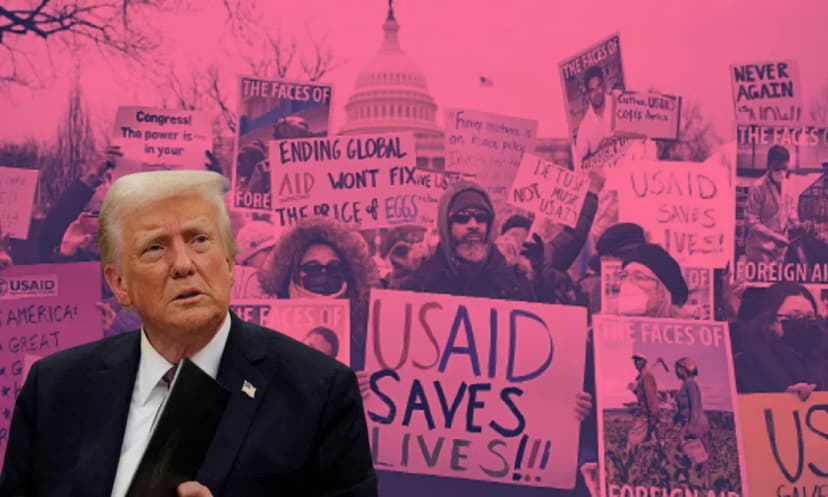
“Why did you start driving inDrive?” It’s my go-to icebreaker with drivers in Pakistan. Lately, the answers have been unsettlingly similar. “I used to work in the development sector,” one man told me. “Then I lost my job.” I’ve heard that line — or a version of it — too many times to dismiss as coincidence. Since the United States pulled the plug on its aid apparatus, the fallout has been immediate. On the surface, the shutdown of USAID is being framed as just another abrupt policy reversal — a bureaucratic casualty in an era of disruption. But look closer, and it reveals something far more profound: the cumulative weight of domestic and international tensions that have been simmering, both within and beyond the US for decades. Cycles of aid, cycles of distrust The first source of strain lies beyond US borders. From its inception as a Cold War instrument, American foreign aid has been shaped by an enduring tension between its declared objectives of development and altruism and its underlying strategic and political calculations. This duality has long been apparent to the recipient elites and the broader public alike. During the Cold War, many governments acquiesced, in part because Western donors faced little competition and alternative sources of assistance were scarce. That landscape has since changed. As non-traditional donors, most notably China and the Gulf states, have expanded their presence, and as domestic political incentives within recipient countries have shifted, scepticism toward USAID has become more explicit and politically salient. In countries such as Pakistan, where mistrust of American intentions runs deep, US assistance is often perceived less as generosity than as intrusion. What is now framed as a backlash against American aid is better understood as the culmination of a long-simmering tension and a legacy of mutual misperceptions between donor and recipient. Pakistan’s experience with US foreign aid agency illustrates this dynamic with particular clarity. American assistance to Pakistan has never been linear or predictable; instead, it has unfolded in cycles closely attuned to Washington’s shifting strategic priorities. During the Cold War, aid was channelled primarily through a security-alliance framework aimed at containing the Soviet bloc, with economic assistance tightly coupled to military cooperation. These flows declined sharply after the 1965 war, reinforcing perceptions of US aid as conditional, transactional, and reversible. Another peak in this equation followed in the 1980s, when General Ziaul Haq aligned Pakistan with the US in opposing Soviet expansion in Afghanistan. Yet with the collapse of the Soviet Union, and the subsequent imposition of US sanctions on Pakistan’s nuclear programme under the Pressler Amendment, assistance once again contracted. It was only after 9/11 that the aid surged anew, this time framed around counterterrorism and stabilisation. Even at its height, however, much of this assistance remained shaped by security imperatives, short funding horizons, and heavy reliance on contractors, rather than long-term institution-building. For many Pakistanis, therefore, the shutdown of USAID feels less like an abrupt rupture than the latest turn in a familiar cycle of engagement and disengagement. The second factor is bureaucratic pathologisation. Like many large organisations, aid agencies are susceptible to institutional dysfunction, and USAID has been no exception. In practice, particularly in contexts such as Pakistan, as commissioner on the Afghanistan War Commission Andrew Wilder has noted, its programmes increasingly came to be structured through a security lens rather than a development one. Key decisions were made in Washington, filtered through multiple layers of contractors, and ultimately deployed on the ground with limited scope for local input. At the same time, bureaucratic incentives privileged projects with easily quantifiable indicators, favouring what could be measured over what was substantively effective. These patterns were neither accidental nor new, nor are they unique to the US. Over time, however, they eroded both the legitimacy and the perceived effectiveness of USAID, among recipients abroad and critics at home. These institutional dynamics had tangible consequences on the ground. In Pakistan, USAID funding became heavily concentrated in sectors aligned with stabilisation and security objectives — such as service delivery in so-called “fragile” districts or rapid-impact infrastructure — often at the expense of slower, politically unglamorous investments in local institutional capacity. NGOs and development professionals structured entire career paths around USAID project cycles, only to see those opportunities vanish when priorities shifted or funding was abruptly frozen. The result was a hollowing out of local expertise and institutional memory. When aid was withdrawn, it left behind far fewer durable institutions than its scale and visibility might have led one to expect. The mismatch between stated development objectives and the underlying security logic was further compounded by an overreliance on quantifiable metrics to demonstrate impact. This tendency was reinforced by a development ecosystem shaped by the overproduction of economists and political scientists trained as methodological specialists rather than regional experts. Programmes designed in Washington often prioritised what could be easily counted — number of schools built, clinics refurbished, trainings delivered, or kilometres of roads completed — over whether such interventions meaningfully strengthened local institutions. In Pakistan, this logic was especially evident in sectors such as education, health, and local governance, where projects were assessed primarily through output indicators rather than sustainability or local ownership. Multiple layers of contractors further diluted accountability and blurred responsibility once funding cycles ended. Over time, this produced a paradox: USAID became both omnipresent and poorly understood — associated with large budgets and extensive reporting, but yielding limited and uneven institutional impact. That credibility gap left the agency especially exposed when domestic political support in the US began to erode. The third major factor behind the dismantling of the aid lies in the domestic backlash within the US against international cooperation. Opposition to foreign aid, multilateralism, and international institutions long predates Donald Trump, reflecting decades of polarisation over globalisation and America’s role in the world. By the time Trump entered office, hostility toward international engagement was already deeply embedded in US politics. In this context, shuttering a highly visible aid agency became a potent domestic signal; it becomes a way to demonstrate responsiveness to voters who view global commitments as costly, wasteful, or illegitimate. Dismantling USAID was therefore less a recalibration of foreign policy than an act of domestic political theatre. The US government’s official justification for shutting down USAID frames the move as a response to “China’s exploitative aid model” and a means of advancing American “strategic interests in key regions around the world”. It is true that China has dramatically expanded its development footprint and largely operates outside the traditional Western aid framework. But that explanation doesn’t hold up to deeper scrutiny. If Washington were genuinely seeking to compete with Beijing in the development arena, the more coherent response would have been reform and reinvestment, not withdrawal. Moreover, Chinese and US aid are not direct substitutes. They target different sectors, rely on distinct instruments, and frequently operate alongside one another in the same countries — Pakistan among them — without displacing each other. In Pakistan, Chinese assistance has concentrated on large-scale infrastructure and energy projects, while USAID has focused primarily on education and health. Chinese aid typically flows through bilateral, government-to-government channels, whereas US assistance has often bypassed the Pakistani state, working instead through NGOs and contractors. China’s rise may well be sharpening anxieties in Washington, but it does not, on its own, explain why the US would choose to erode its own institutional capacity in response. A looming domino effect The shutdown of USAID, then, should not be understood as a one-off policy blunder or an idiosyncratic choice tied to a single administration. Rather, it reflects the convergence of long-accumulating tensions: between the professed ideals and strategic deployment of aid abroad; between development objectives and bureaucratic practices within aid agencies; between international commitments and domestic political incentives at home. USAID’s collapse is best understood not as the cause of these pressures, but as their most visible manifestation. The consequences of this decision extend well beyond the fate of a single agency. They reveal the fragility of the broader international aid regime, which ultimately depends on the willingness of a small number of leading powers to absorb the political and financial costs of institutionalised cooperation. When that willingness erodes, institutions lose both credibility and purpose and eventually collapse. Signs of this erosion are already evident, as other major donors, including the United Kingdom and Germany, begin to scale back their own aid commitments. What is at stake, then, is not merely the dismantling of USAID, but the gradual unravelling of an international aid regime built on mutual trust and a sustained commitment to lifting the world’s poorest out of poverty.

Exiled Iranian Crown Prince Reza Pahlavi has called on former President Trump for 'humanitarian intervention' in Iran, urging international action against the current regime amidst ongoing killings.
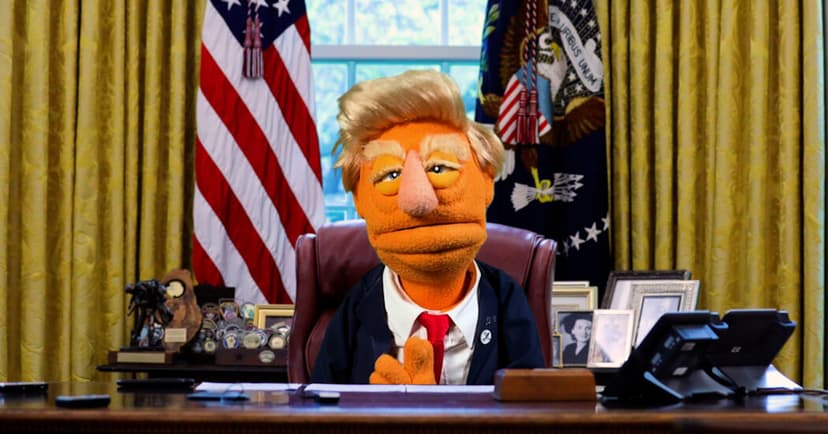
Eurasia Group, the geopolitical risk consultancy run by Ian Bremmer, gets into the political satire game with its Instagram show “Puppet Regime.”

Whether you blame the US or the communist regime, there is no doubt that this is an island spiralling into tragedy Felix Valdés García was nine years old when the revolutionaries came to blow up his trees. It was the verge of the 1970s and his father, Felin, was losing the family farm to Cuba’s 10-year-old communist regime. A push called the Revolutionary Offensive was under way, mobilising the people to sow, clean and harvest 10m tonnes of sugar cane in an effort to make Cuba financially independent. The land needed to be cleared. For decades the family had nurtured their 800 hectares of rich loam alongside the meandering Sagua River. Eight couples, all related, worked the fields, while Felix and his sister had fruitful adventures among the royal palms, avocado, mango and magnificent ceiba. Continue reading...
Mass protests have taken place against the Iranian regime globally and in Venezuela following the capture of Maduro, challenging new leadership. Analysts are examining the historical economics of regime change in these nations.
A large street rally was held in Munich during the Security Conference, with 250,000 participants calling for regime change in Iran, addressed by Reza Pahlavi.
Syrian surgeon Bachar Alkaderi, trained in Cuba and now a rebel commander, warns that after the overthrow of the Assad regime, 'the revolution must be protected from its own children.'
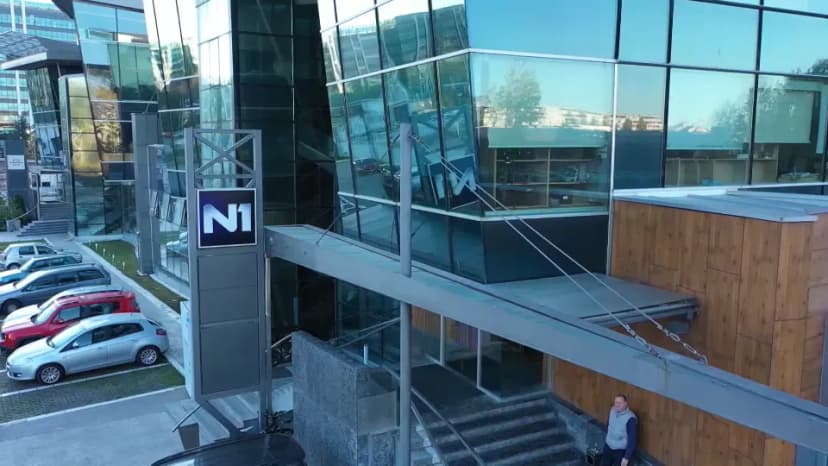
N1, part of United Group, has been a constant topic for Serbian authorities and pro-government tabloids, with recent management changes sparking further attention and questions about the government's intentions.
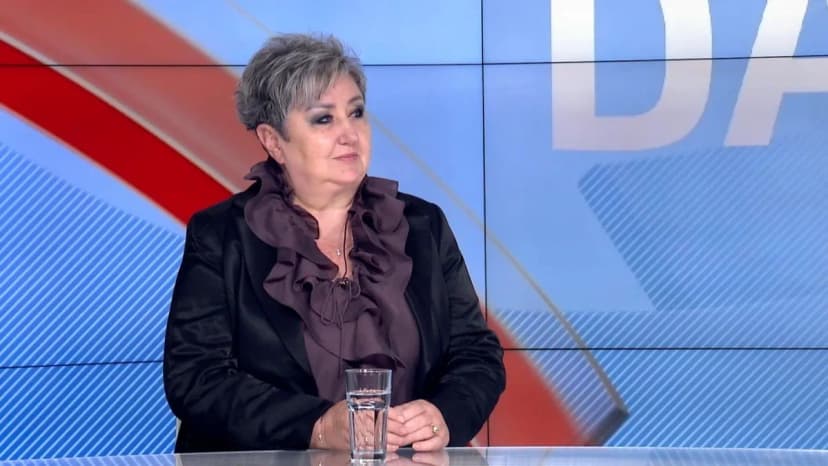
Natalija Jovanović states that recent events and public sentiment indicate Serbia is in the final phase of a dictatorial regime, which is 'ready for history'.

Iranian students continued their protests against the regime for a third consecutive day, weeks after security forces suppressed widespread revolts.
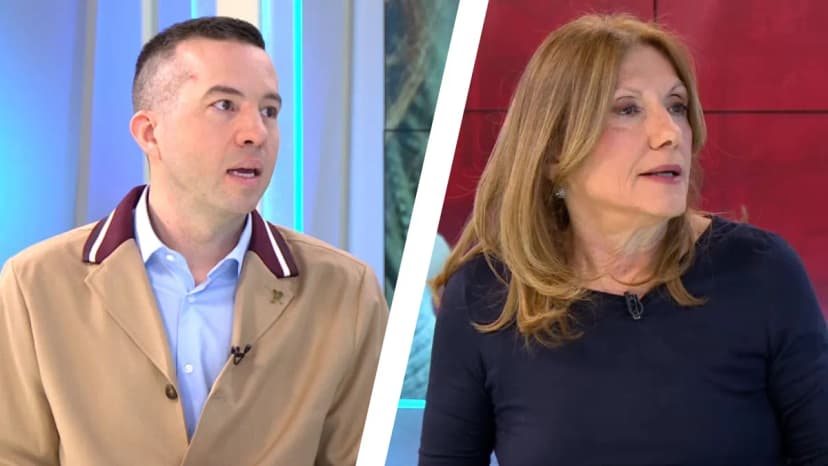
The Novi Sad School of Journalism has released a publication titled 'Media Against Media – Strategies for Undermining the Credibility of Independent Media,' documenting the regime's strategy to discredit United Group media.

The Kobarid municipal council approved changes to the Soča River navigation decree despite the mayor's opposition, while Bovec adopted a new decree aligning with Kobarid and Tolmin by abolishing vessel permits.
Manoto News accused the Iranian regime of threatening "freedom of expression" and is currently pursuing plans to ensure continuous broadcasts.
Syrian television dramas are exploring new thematic and narrative boundaries in their Ramadan series following the fall of the Assad regime.
Iran’s Student Protesters Clash With Regime Loyalists The Wall Street Journal

Since the start of the invasion of Ukraine, Putin's regime has persecuted students for their opposition to military aggression and critical views, with even minors now facing trials.
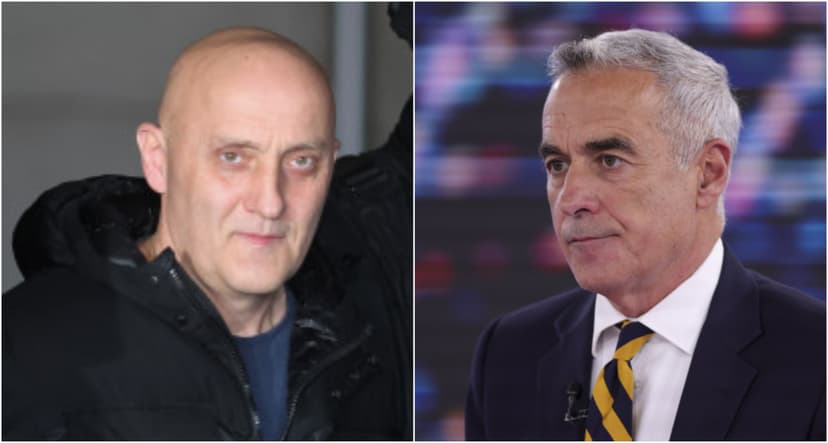
Former presidential candidate Călin Georgescu, mercenary Horațiu Potra, his son and nephew, and other defendants accused of actions against the constitutional order and non-compliance with the regime, are awaiting a decision to begin their trial.
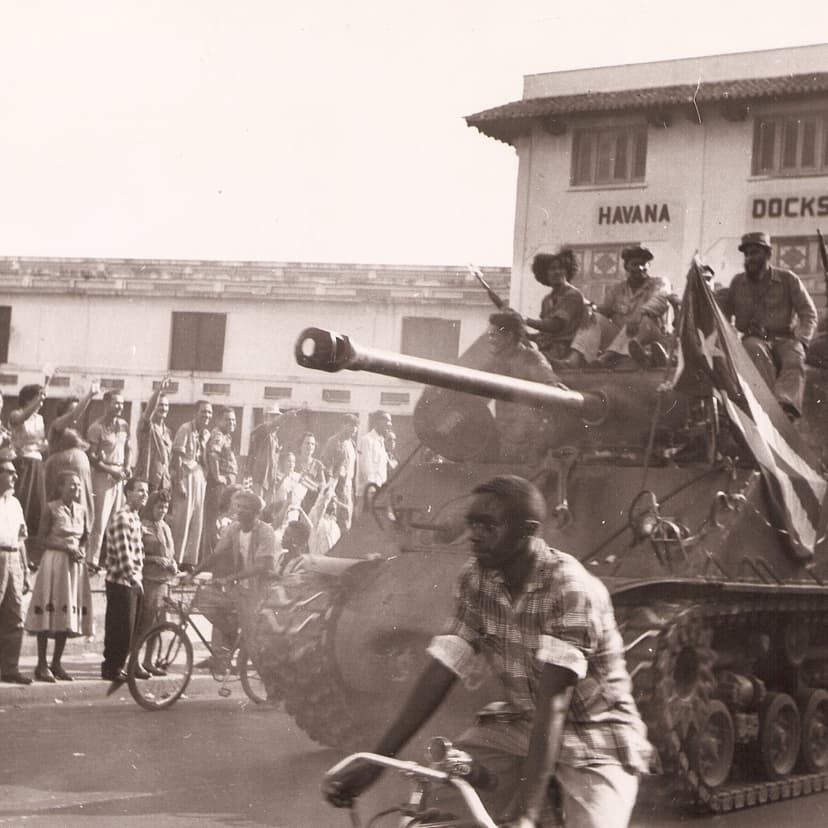
Amid escalating tensions with Cuba, the Supreme Court is reviewing lawsuits backed by the Trump administration that aim to compensate Americans for properties confiscated by Fidel Castro's regime in 1960.
Iran’s Student Protesters Clash With Regime Loyalists The Wall Street Journal
Iran 'losing grip' over Iraqi politics as regime braces for US strikes thenationalnews.com

Actor Govind Namdev expressed surprise at Shah Rukh Khan's demanding 20-hour work schedule, given that Khan reportedly suffers from a spinal cord problem.
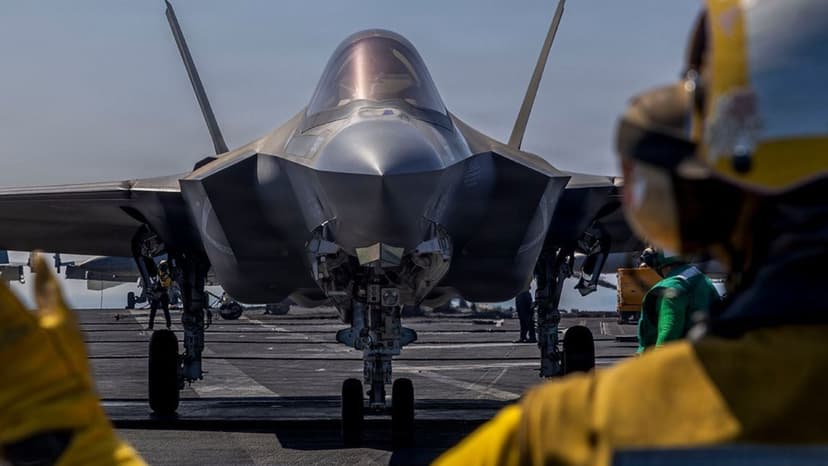
The Trump administration's policy towards Iran is discussed, suggesting a focus on regime change rather than just a change in regime, drawing parallels with Venezuela and highlighting the difficulty of avoiding war.
Two years into the Joe Hortiz-Jim Harbaugh regime, the Los Angeles Chargers have learned a lot about their team. After […]
UN human rights experts demand that Iran reveal the fates of detainees, stop executions, and provide accountability amidst the brutal crackdown on protesters in recent months.

As the Miami Dolphins’ new regime of general manager Jon-Eric Sullivan and coach Jeff Hafley will be building their roster through the draft, that process comes to the forefront in the next week. The
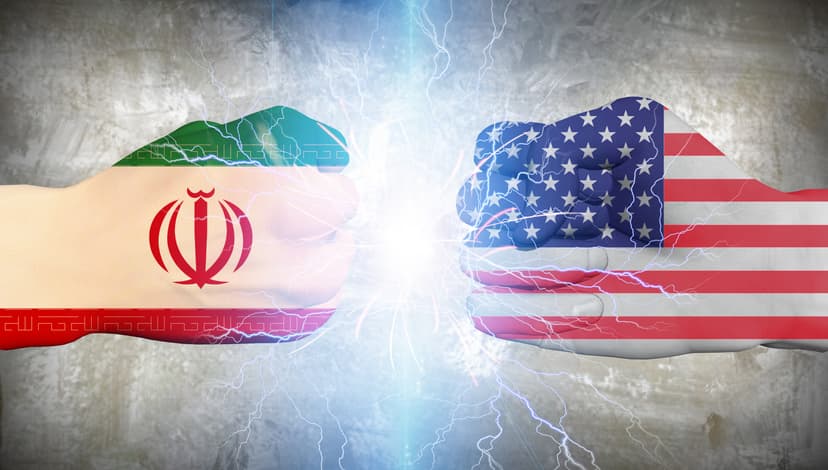
Former CIA director David Petraeus discussed the possibility of US attacks on Iran under the Trump administration, stating that such actions would likely not lead to a regime change.
Five Kurdish Iranian opposition groups have united to form a new political coalition, aiming to challenge Tehran's regime and advocate for self-determination and democracy.

Norwegian billionaire Jens Rugseth, now residing in Lucerne, has publicly criticized Norway's tax regime, calling the country 'rich, lazy, and corrupt,' as he joins a growing number of wealthy Norwegians fleeing the country's tax policies.
Psychologist and former Deputy Prime Minister Žarko Korać stated that Serbia is experiencing an undeclared state of emergency, with the regime solely focused on retaining power and disregarding public sentiment.

Nach der Niederschlagung der Massenproteste in Iran geht die traditionelle 40-tägige Trauerzeit zu Ende. Bei Gedenkfeiern gibt es nun offenbar wieder Proteste. An einer Uni in Teheran gerieten Regime-

Benjamin Netanyahu is reportedly preparing Israel for a potential war against Iran, with speculation about a possible American strike against the Mullah regime, even as Israel's army recovers from recent conflicts.
The Argentine government has broadened the benefits of the RIGI regime for oil and gas projects, extending the program until 2027 and lowering the minimum investment for onshore developments.
An investigation reveals that Russia, in collaboration with representatives of the Lukashenko regime, including former Belarusian Interior Minister Vladimir Naumov, established a multi-tier network to remove and launder agricultural products from Ukraine’s occupied territories.
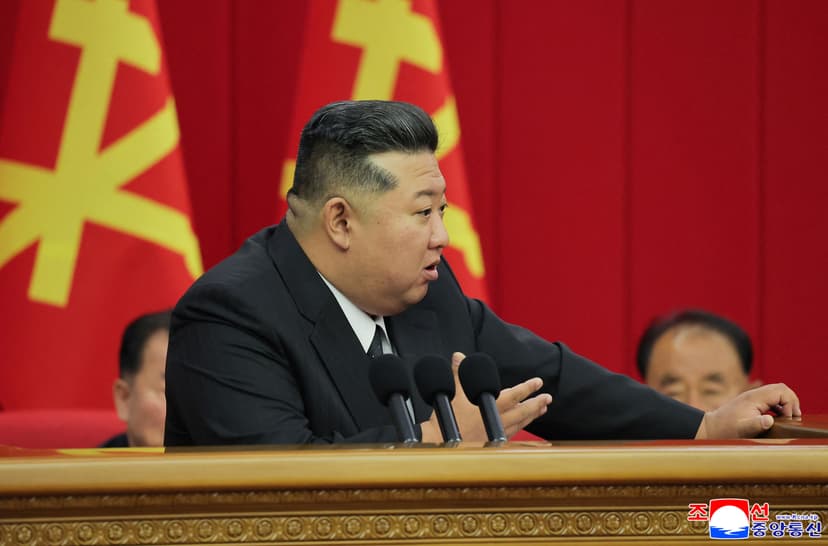
North Korean leader Kim Jong Un delivered a triumphant speech at a rare national party congress, celebrating the country's 'great successes' despite challenges, reflecting the isolated regime's growing confidence.
A British security expert suggests that Russia is constructing a military structure outside the Ministry of Defense, potentially serving as a force directly loyal to President Vladimir Putin to protect his regime.
Senegalese artist Ngaaka Blindé's song 'Yakaar Bou Tass' features punchlines that are interpreted as a critique of the current regime, injustice, and homosexuality, sparking public discussion.
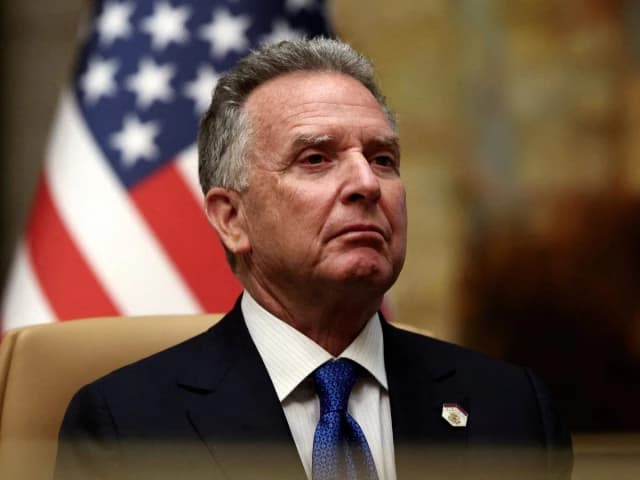
US envoy Steve Witkoff confirmed a meeting with an exiled Iranian royal and stated that Donald Trump is questioning why Iran has not 'capitulated,' amid remarks about regime change.
Patriarch Kirill, head of the Russian Orthodox Church, awarded the Order of the Holy Prince Daniel of Moscow, Second Degree, to Vadim Krasnoselski, the leader of the Transnistrian regime, on February 19, 2026.
The historical neglect of Kenya's Turkana region by successive regimes can be traced back to 19th-century conflicts between Ethiopia and Britain over control of the area.
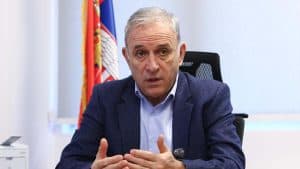
Zdravko Ponoš, president of the Serbia Center (SRCE) party, stated that the current regime will seek revenge for past events and is preparing to rule until the end of the decade, having established the legal framework for it.

Iran's Supreme Leader Ayatollah Ali Khamenei has reportedly ordered the preparation of a contingency plan for his assassination and the potential collapse of the ruling regime in the event of a military conflict with the US.
An analysis suggests that the Turkana region has been deliberately ignored by successive governments, with roots tracing back to 19th-century colonial tussles.
Reports indicate that the United States is preparing for potential military strikes on Iran, which could include targeting leaders and aiming for regime change, should diplomatic efforts fail.
Iranian medics and lawyers report facing persecution from the Islamic regime for providing assistance to anti-government protesters during a deadly crackdown.
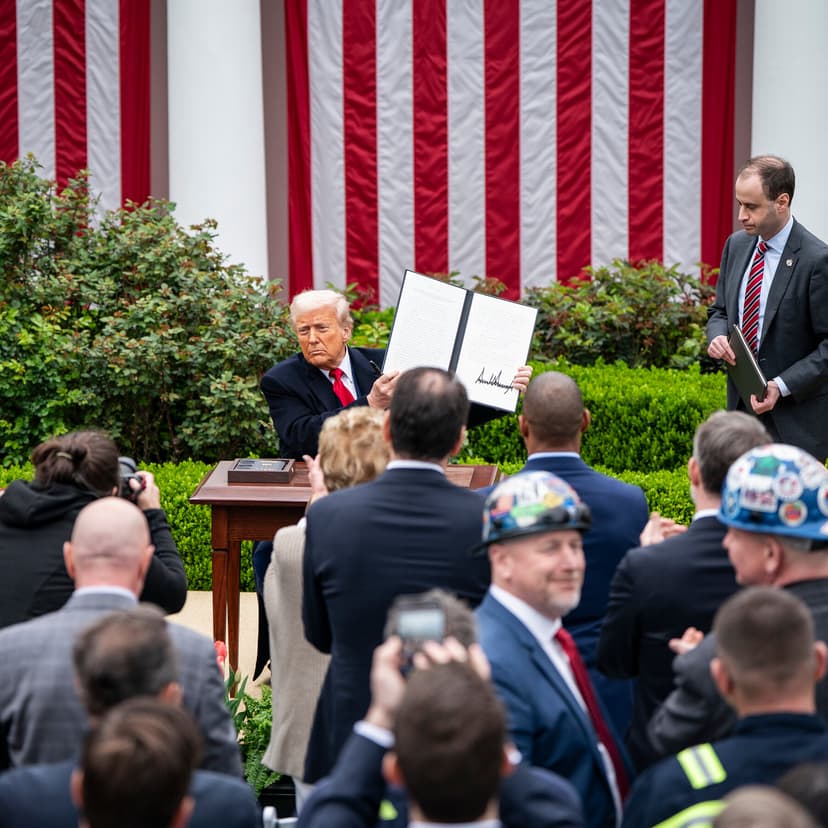
The president seems as intent on tariffs as ever and argues that his trade agenda is succeeding, despite little evidence to support it
Alysa Liu's father has admitted to making a 'mistake' with her training regimen prior to her winning an Olympic gold medal, following her sixth-place finish in 2022.

A report said potential American military strikes on Iran could target individuals or pursue regime change, as the U.S. wants to reach a deal with Iran.

US Intelligence: 15,000+ Were Let Free From ISIS Detention Camp After Collapse Another 'win' for America's disastrous Syria policy, long predicated on overthrowing the Assad government and installing a 'moderate' Sunni regime - though it turns out Jolani's bearded Hayat Tahrir al-Sham (HTS) militants are anything but... "U.S. intelligence agencies have concluded that 15,000 to 20,000 people, including Islamic State affiliates are now at large in Syria, after an exodus from a cam...
An analysis suggests that if Iran's current regime falls, the options to replace it are narrow and fraught with risk.
Former President Trump is reportedly considering an initial limited military strike to compel Iran into a new nuclear deal, amidst ongoing tensions.
If Iran's current regime collapses, the options for its replacement are described as narrow and fraught with risk.
The Wall Street Journal reports that Trump is considering a limited military strike to compel Iran into a new nuclear deal, while also exploring options for a post-regime Iran.
Experts warn that if Iran's current regime were to fall, the options for a replacement government are limited and fraught with risks.

Matt Harmon and Nate Tice discuss possible regression for Giants QB Jaxson Dart under the new John Harbaugh regime.

President Trump is reportedly considering a limited military strike against Iran, a move that could significantly impact the oil market.
Professional bull rider Wyatt Rogers shares insights into his training regimen and past injuries in an exclusive interview ahead of the 'PBR: Unleash the Beast' event in Jacksonville.

The UK has reportedly blocked the Trump administration from using its military air bases for a potential strike on Iran, citing concerns over international law. This comes as a former CENTCOM deputy suggests the US could quickly neutralize the Islamic Regime.
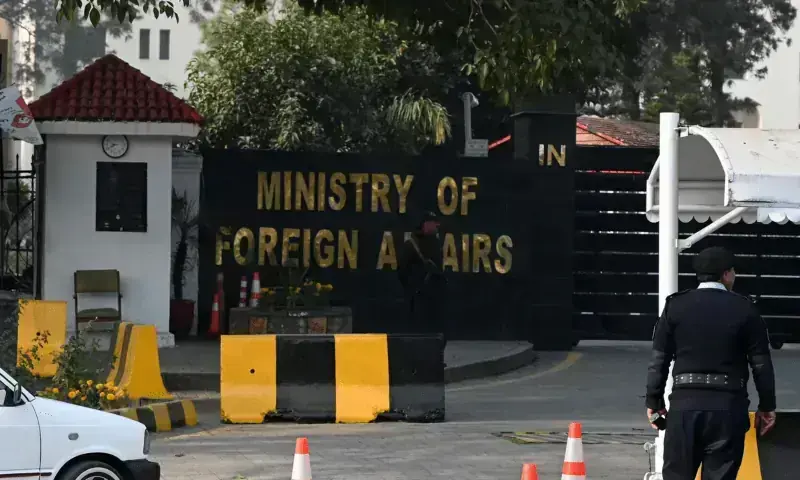
Pakistan has issued a demarche to the Taliban regime in Afghanistan, protesting the use of Afghan soil for a terrorist attack on security forces in Khyber Pakhtunkhwa’s Bajaur.
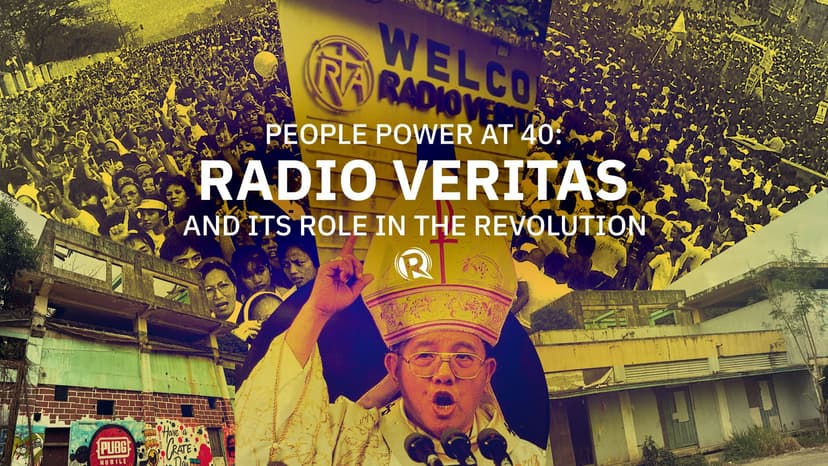
Forty years later, Rappler reporter Patrick Cruz visits the Radio Veritas Transmitter Station in Malolos, Bulacan, which the Marcos regime tried to silence during the uprising

Marco Rubio reportedly held secret talks with Raul Castro's grandson as Cuba faces collapse and the Trump administration discusses regime change options.

Russia and Cuba on Wednesday slammed the US energy blockade of the Caribbean island in a show of solidarity in Moscow, where Havana's foreign minister was due to meet with President Vladimir Putin. US President Donald Trump cut off key supplies of Venezuelan oil to Cuba after ousting Venezuela's Nicolas Maduro. He has also threatened sanctions on countries that sell oil to Cuba. But what is the US president’s ultimate goal in Cuba? And if it is regime change, does he have the tools to do it? Robert Huish, associate professor in international development studies at Dalhouse University, speaks to France 24.
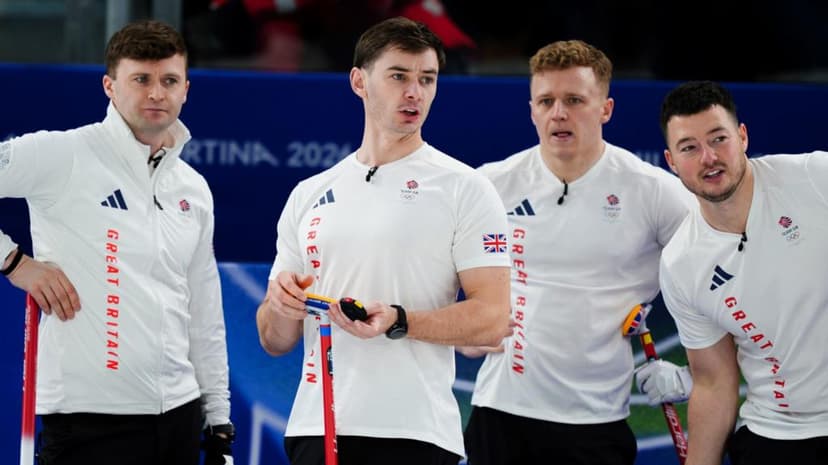
The article explores the rigorous training regimen of Team GB curlers, which includes weightlifting, strategic planning, and specific fueling techniques, akin to other elite athletes.

Loubna Mrie, a photojournalist, details her rebellion against the Syrian regime, where her father allegedly worked as an assassin, by joining the Syrian revolution as a protester.
Armenia has introduced a temporary visa-free regime for Indian passport holders with specific residence permits from Gulf, US, and European countries, allowing stays of up to 180 days annually.
The son of Iran’s last shah has called for the United States to take action against the current Iranian regime.
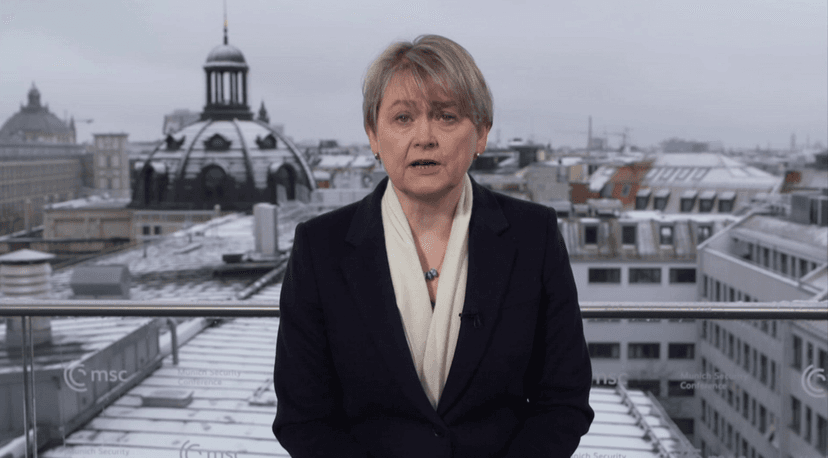
The UK foreign secretary stated that Britain seeks coordinated action, including increased sanctions, against the Russian regime in response to the poisoning of Alexei Navalny.
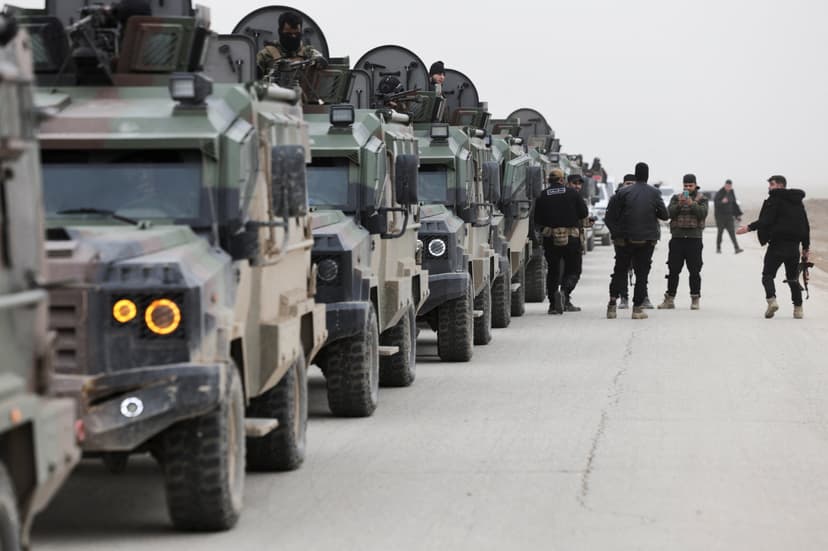
Syria has entered a new era following the fall of the Bashar Assad regime, with the Syrian people now leading efforts to rebuild their country and prevent fragmentation.
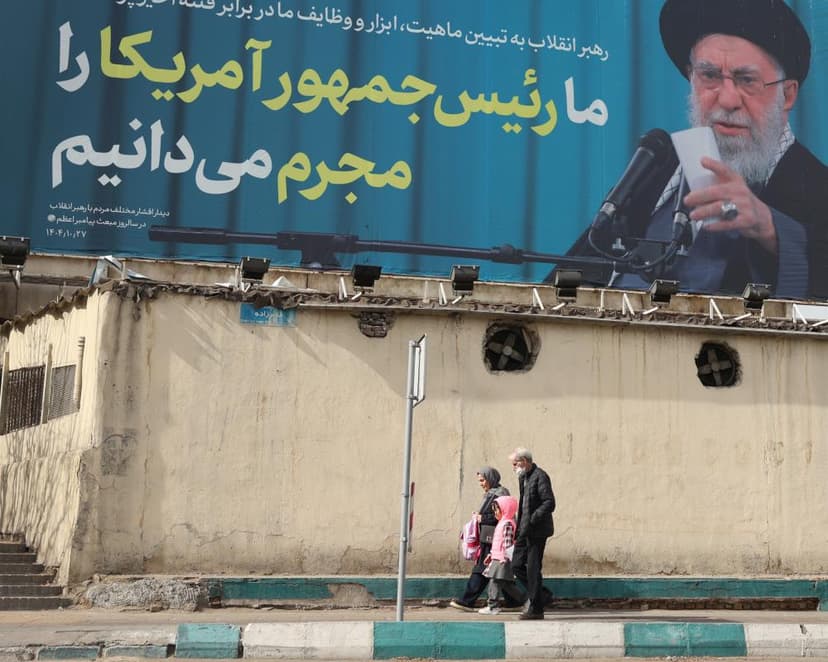
New images and testimonies reveal a brutal crackdown on anti-government protests in Iran, raising questions about the future of the regime and potential outcomes of political change.
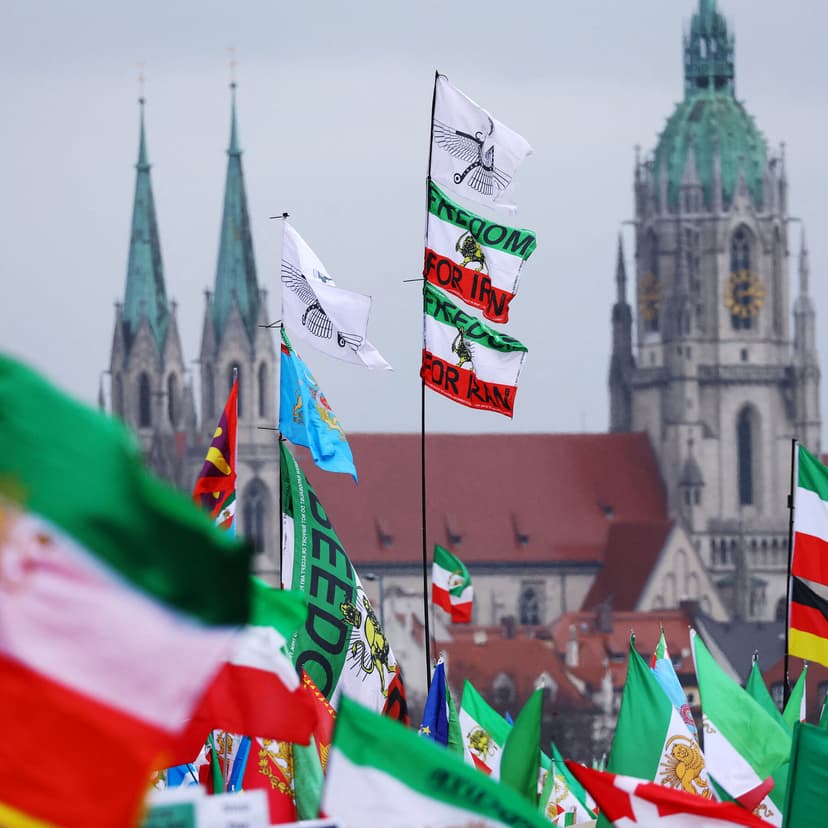
Thousands protested the Iranian government worldwide, while authorities in Iran responded by using digital surveillance tools to track down and target anti-government demonstrators.
A series of incidents highlight the ongoing unrest and human rights issues in Iran, including a public assault on unveiled women, global protests against the regime, and reports of persecution and abuse of political prisoners. The country's appointment to a UN body also sparked international uproar.