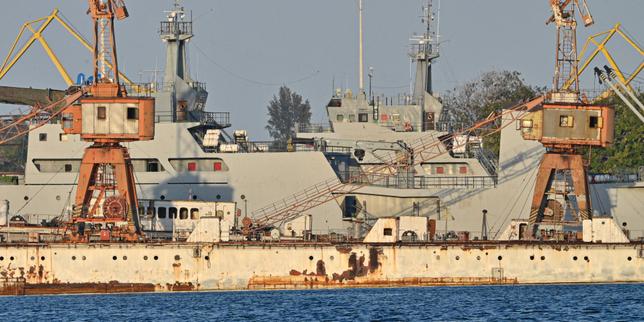
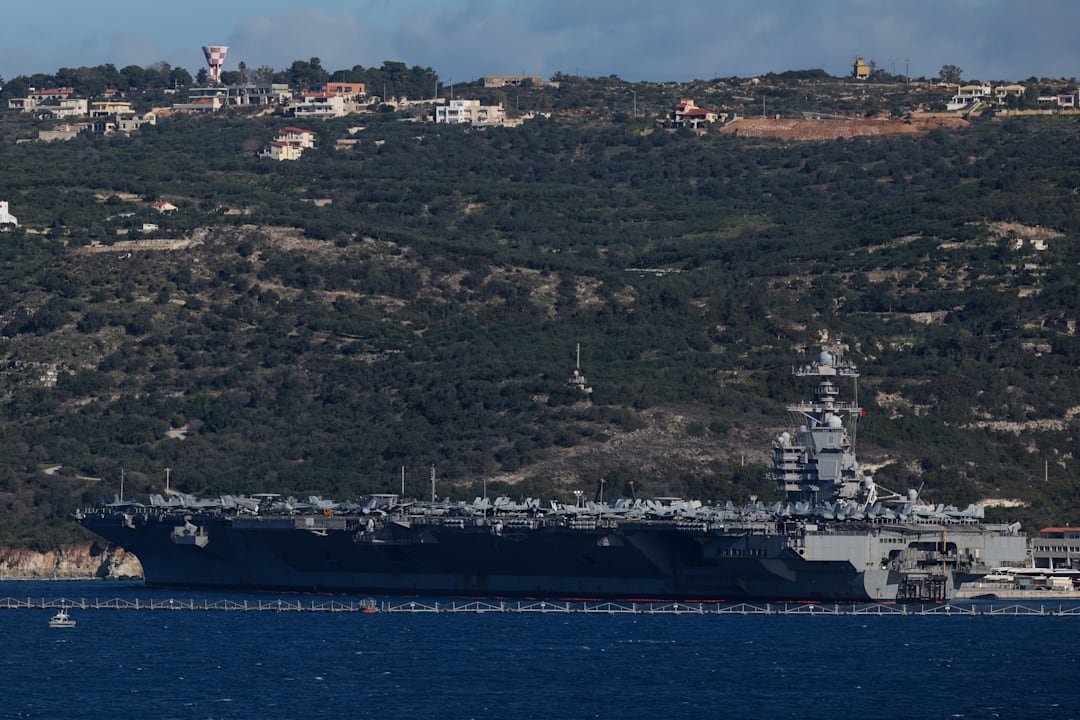
The potential for war involving Iran represents a significant geopolitical risk, threatening regional stability, global energy markets, and human rights. The internal political dynamics within Iran, including calls for regime change and external intervention, add complexity to an already volatile situation, making the current moment critical for international relations and the future of the Middle East.
AI-generated comparison of how 2 sources cover this story
The New York Times frames the story as a critical juncture where the U.S. and Iran both seek to avoid conflict, emphasizing the dwindling time for diplomatic resolution. Helsingin Sanomat, however, focuses on Iran's internal instability, highlighting an exiled figure, Reza Pahlavi, advocating for U.S. intervention and his own leadership. The coverage shows meaningful differences in focus and the proposed pathways related to the potential conflict.
Coverage matrix
NYT
helsingin-sanomat
The U.S. and Iran both stating their desire to avoid conflict.
Reza Pahlavi's advocacy for U.S. intervention and his own leadership in Iran.
Covered Divergent Not mentioned
What sources agree on
There is a looming threat of war or significant conflict involving Iran.
The current moment represents a critical period or 'last chance' to avert this conflict.
Where they diverge
The primary focus of the potential conflict
NYT
The conflict is framed as a direct confrontation between the U.S. and Iran, with both sides expressing a desire to avoid it.
helsingin-sanomat
The situation is framed as Iran's internal struggle between war and revolution, with external intervention being advocated by an exiled political figure.
The proposed path or solution to the crisis
NYT
The path forward involves diplomatic efforts to avoid conflict between the U.S. and Iran.
helsingin-sanomat
A specific political figure advocates for U.S. intervention and a change in Iran's leadership.
Key claims5 unverified
?
The U.S. and Iran both express a desire to avoid conflict.
unverified·NYT
?
Time is running out to avoid conflict between the U.S. and Iran.
unverified·NYT
?
Reza Pahlavi, son of the former Shah, advocates for U.S. intervention in Iran.
unverified·helsingin-sanomat
Coverage gaps
The U.S. and Iran both stating their desire to avoid conflict.
ReportedNYT
Missinghelsingin-sanomat
Reza Pahlavi's advocacy for U.S. intervention and his own leadership in Iran.
Reportedhelsingin-sanomat
MissingNYT
?
Reza Pahlavi advocates for himself to be Iran's next leader.