
WorldReutersbloombergSCMP+6national-postnaftemporikichannel-news-asiabalkan-webin-cyprusprotothema-en1h ago9 sources Turkey says missile launched from Iran destroyed by Nato
A ballistic missile launched from Iran and heading towards Turkish airspace via Iraq and Syria was destroyed by Nato air defence systems, Turkish officials said on Wednesday.
The defence ministry said it had been “engaged and neutralised by Nato air-and-missile defence assets deployed in the eastern Mediterranean”.
It did not specify the missile’s intended target.
A Turkish official, speaking to AFP on condition of anonymity, said the missile had been “aimed at a base in Greek Cyprus but veer...

Worldcyprus-mailin-cyprus6h ago2 sources Italy mulls sending frigate to Cyprus after drone strike
The Italian government is on Wednesday considering deploying a frigate to Cypriot waters, according to reports, after France and Greece did the same in the aftermath of a drone hitting the island…

Saharan Dust Episode Affects Eastern Mediterranean
A new episode of Saharan dust transfer is underway, impacting the Eastern Mediterranean, including Attica, Eastern Macedonia, and Epirus, due to a low-pressure system over Morocco and Algeria.
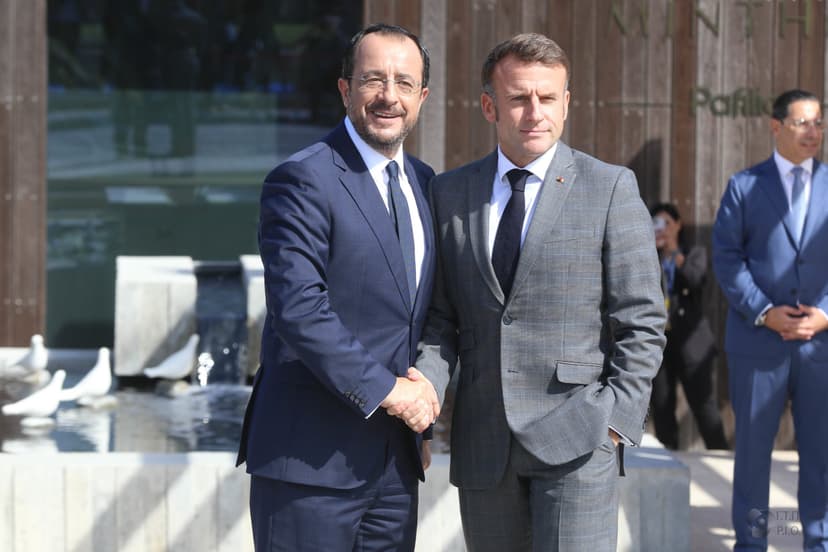
Macron deploys aircraft carrier and missile defences to Mediterranean, Cyprus
President Emmanuel Macron has ordered the French aircraft carrier Charles de Gaulle and its strike group to the Eastern Mediterranean, following an emergency session at the Élysée Palace to address…
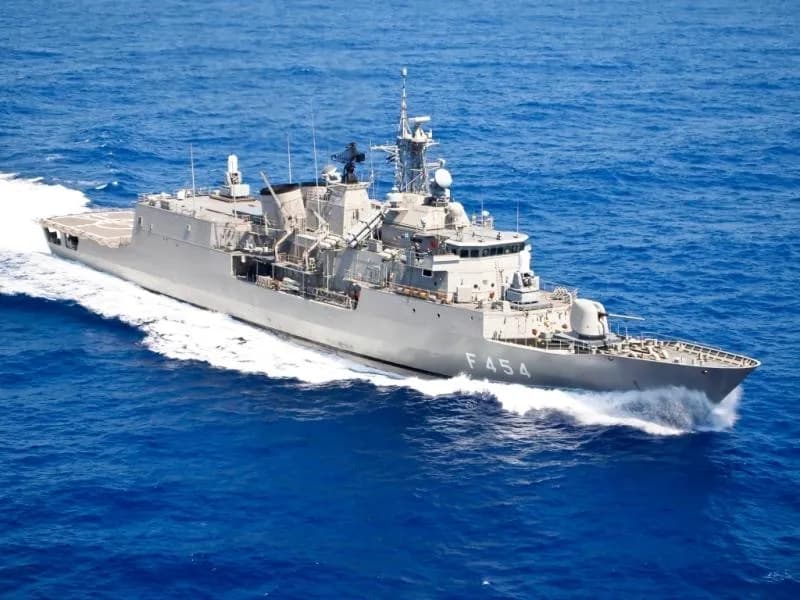
Conflict in the Middle East spread to the Eastern Mediterranean, Greece sends its warships and planes
Greece deploys two naval frigates and F-16 fighter jets to Cyprus to strengthen the island's defense after a drone warning that caused eva
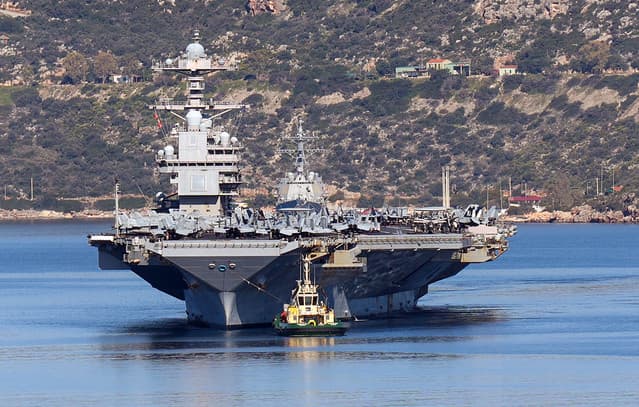
US Military Bases in Middle East and Eastern Mediterranean Highlight Greece's Pivotal Role
An article discusses the presence of American military bases in various Middle Eastern and Eastern Mediterranean countries, emphasizing Greece's crucial strategic role in the region.

Turkey's New Challenge to Greece at the UN Escalates Eastern Mediterranean Tensions
A new Turkish letter to the UN reignites tensions in the Eastern Mediterranean, culminating a two-year 'paper war' between Athens and Ankara over Maritime Spatial Planning, marine parks, and maritime jurisdiction limits.

Aircraft carrier USS Gerald Ford sailed from Crete: It will be off the coast of Israel in less than 24 hours
The largest American aircraft carrier USS Gerald R. Ford left the NATO base in Crete and headed towards the Eastern Mediterranean, where it is expected to arrive in Israel within 24 hours amid rising tensions with…
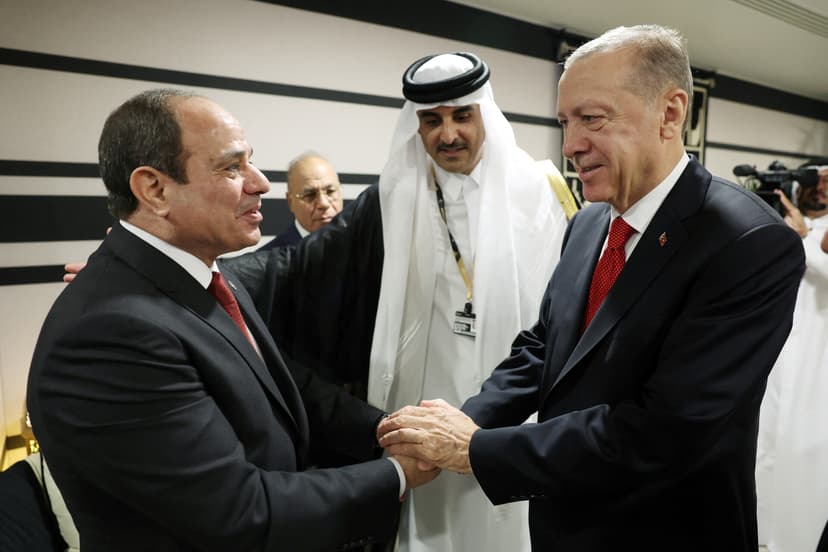
Turkey Seeks Closer Ties with Egypt to Counter Greek Influence
As geopolitical balances shift in the Eastern Mediterranean and Red Sea, Turkey is reportedly seeking to strengthen its relationship with Egypt, partly to reduce Greece's regional influence.
Worldjerusalem-post10d ago Turkey's Shifting Role in Regional Influence Analyzed
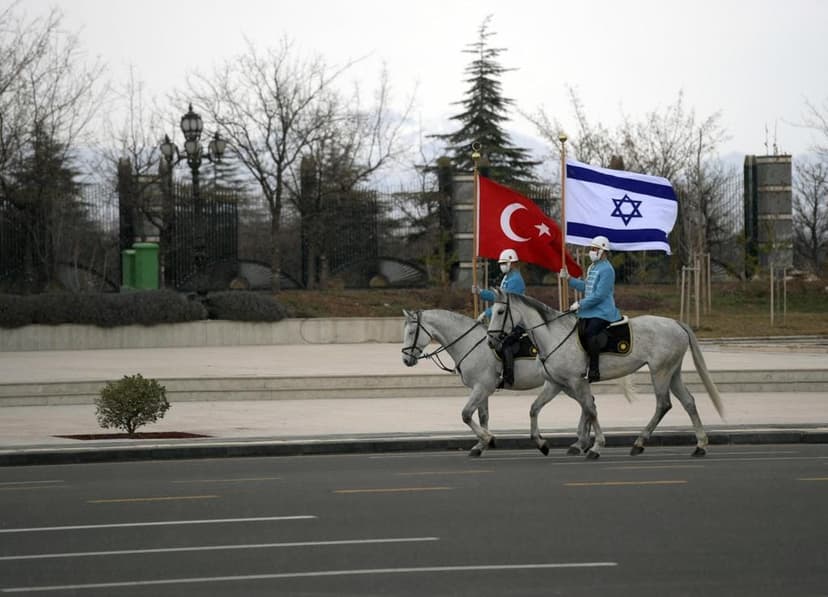
An analysis suggests Turkey believes it has transitioned from a crisis-driver to a Gaza stabilizer, significantly increasing its influence across the Horn of Africa, Eastern Mediterranean, Syria, and Iraq.

Worldnrksvenska-dagbladetrzeczpospolita+7digi24index-hrcyprus-mailklix-banaftemporikibalkan-webin-cyprus5h ago10 sources Turkey targeted by Iranian missiles, Defence Ministry says
A ballistic missile fired from Iran and heading into Turkish airspace after passing Syria and Iraq was destroyed by NATO air and missile defence systems in the eastern Mediterranean Sea, the Turkish Defence Ministry said on Wednesday. The ministry said in a statement that there were no casualties or injuries in incident, adding that Turkey reserves the […]

Politicsiefimeridazdg-md10h ago2 sources French Aircraft Carrier Charles de Gaulle Deploys to Mediterranean
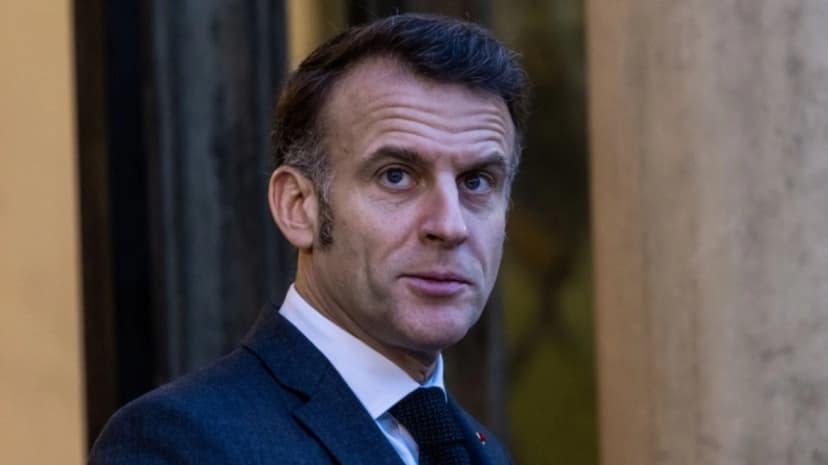
French President Emmanuel Macron announced the deployment of the aircraft carrier Charles de Gaulle to the Mediterranean Sea, citing the need to protect economic interests and work towards a coalition to secure maritime traffic.
Politicsindex-hrdnevnik-bgiefimerida+2klix-baprotothema-en21h ago5 sources Macron addressed the nation: We are sending the only aircraft carrier to the Eastern Mediterranean
FRANCE is sending its only aircraft carrier Charles de Gaulle to the Eastern Mediterranean in response to the deepening crisis.

Worldcyprus-mailin-cyprus1d ago2 sources Greek police detain man on suspicion of spying on naval base in Crete
Greek police have detained a 36-year-old man on suspicion of spying on a naval base on the island of Crete, a strategic facility for the United States in the eastern Mediterranean, police officials said on Monday. The man was detained at Athens’ airport on information by the country’s intelligence service. Souda Bay in Crete is […]
Politicsnaftemporikiprotothema-en2d ago2 sources Questions mount after shahed drone strike on RAF Akrotiri, second UAV intercepted
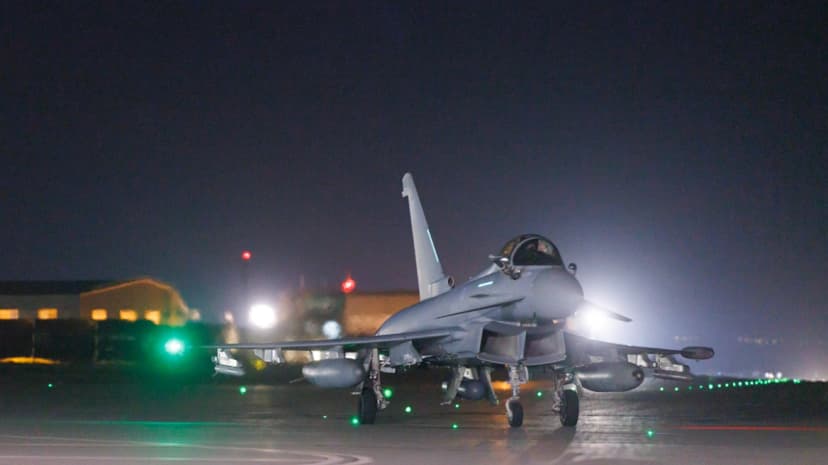
The strike was most likely the work of Hezbollah, security service sources told Protothema.gr – “We are not participating in any military operation,” stressed Nikos Christodoulides – Why Akrotiri is considered a target of high symbolic value in the Eastern Mediterranean
The post Questions mount after shahed drone strike on RAF Akrotiri, second UAV intercepted appeared first on ProtoThema English.

Erdogan asserts EEZs claims, lambasts Cyprus, Greece in UN letter
Turkey has challenged Cyprus, Greece and Egypt in a letter to the United Nations, reiterating its claims over maritime zones in the Eastern Mediterranean and defending its “Blue Homeland” doctrine. Ankara accused its neighbours of violating Turkey’s “unilaterally” declared Exclusive Economic Zone (EEZ) and called into question Cyprus’ sovereign rights. The letter, submitted on 16 […]

Turkey Accuses Greece, Cyprus, and Egypt of Violating Sovereign Rights at UN
New diplomatic tension has arisen at the UN after Turkey sent a letter accusing Greece, Cyprus, and Egypt of violating its sovereign rights in the Eastern Mediterranean. Athens has rejected these Turkish claims.

Greek Foreign Minister Gerapetritis Meets US Counterpart Rubio in Washington
Greek Foreign Minister George Gerapetritis is in Washington for a meeting with US Secretary of State Marco Rubio. The talks, scheduled for midday, are expected to focus on deepening relations and affirming Athens' role as a pillar of stability in the Eastern Mediterranean.
Christidis Meets Cypriot Parliament President on Eastern Mediterranean Challenges
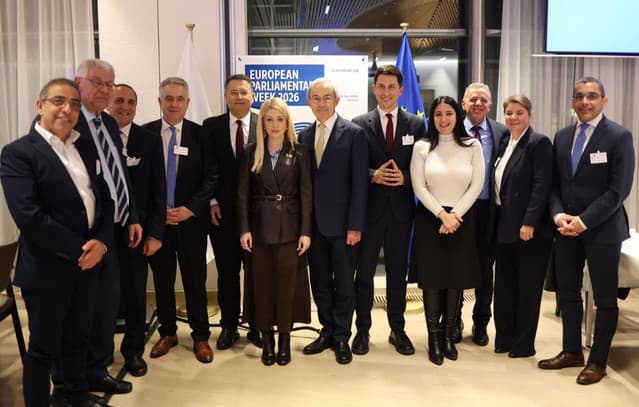
Pavlos Christidis, PASOK MP and parliamentary spokesperson, held a substantive discussion with the President of the Cypriot Parliament focusing on current political issues and shared challenges for Greece and Cyprus in the Eastern Mediterranean.
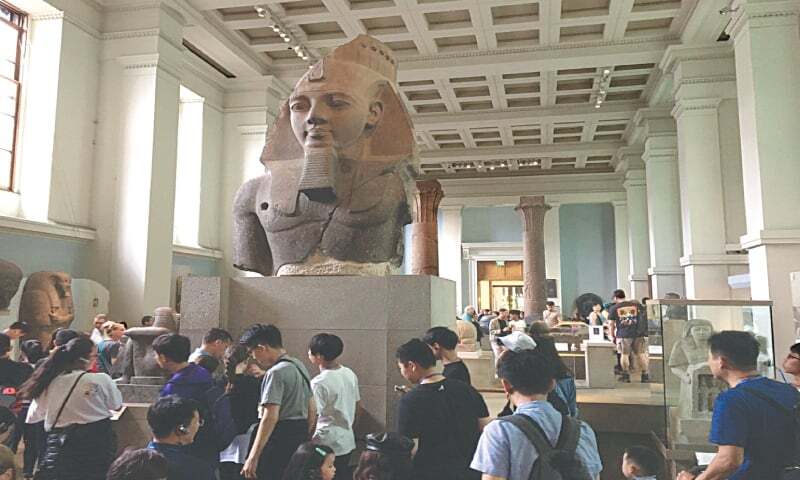
British Museum under fire after removing word ‘Palestine’ from some displays
• Historian William Dalrymple criticises move, later says museum has not ‘cancelled’ the term wholesale
• Legal challenges instituted against campaign by UK Lawyers for Israel
LONDON: The British Museum has removed the word ‘Palestine’ from some of its gallery displays, revising maps and information panels in its ancient Middle East collections on the grounds that the term was used inaccurately and is no longer historically neutral.
Reports in leading British papers, including The Guardian, said the changes affect displays in the museum’s ancient Levant and Egypt galleries, where parts of the eastern Mediterranean coast had previously been labelled as ‘Palestine’, and some individuals described as being of “Palestinian descent”.
At least one panel in the Egypt galleries was amended to replace “Palestinian descent” with “Canaanite descent”.
The revisions followed representations from UK Lawyers for Israel (LFI), a voluntary group of solicitors, which wrote to the museum’s director arguing that the retrospective application of the term ‘Palestine’ across thousands of years obscured historical change and erased the emergence of the kingdoms of Israel and Judah from around the first millennium BCE.
In its response, the museum said that while ‘Palestine’ had been widely used in Western and Middle Eastern scholarship since the late nineteenth century as a geographical designation, it no longer carried a neutral meaning and is now often understood as referring to a modern political territory.
The museum said it uses ‘Canaan’ for the southern Levant in the later second millennium BCE, UN terminology for modern political boundaries, and ‘Palestinian’ as a cultural or ethnographic identifier where appropriate.
The decision has prompted criticism from historians and members of the public, with more than 5,000 people signing a petition calling for the museum to reverse the changes and arguing that they contribute to the erasure of Palestinian presence from public memory.
The Guardian also noted that while several displays have been updated, the museum claims these changes were made last year after feedback and audience research. Historian and author William Dalrymple criticised the move, calling it ridiculous to remove the word ‘Palestine’, when it has a greater antiquity than the word ‘British’.
“The first reference to Palestine is on the Egyptian monument of Medinet Habu in 1186 BCE. The first reference to Britain is the 4th century BC when it appears in the work of the Greek traveller Pytheas of Massalia,” he wrote on X. In a subsequent post, Dalrymple said that after speaking with the museum’s director, Nicholas Cullinan, he had learned that reports about the museum cancelling the name ‘Palestine’ altogether were inaccurate.
Quoting Cullinan, Dalrymple wrote: “To reassure you we are not removing mention of Palestine from our labels. Indeed, we have a display on at the moment about Palestine and Gaza.”
According to the historian, the director of the British Museum had said that only two panels in the ancient Levant gallery were amended last year during a routine gallery refresh, and that the director had not been aware of the issue until it became public. Cullinan was quoted as saying he had not seen the letter from UK Lawyers for Israel until recently and was “disgusted by the whole thing”.
Criticism
Academics who spoke to Middle East Eye defended the historical validity of the term. Marchella Ward, a lecturer in classical studies at the Open University, said “ancient Palestine” was a legitimate scholarly descriptor. “I use the term ‘ancient Palestine’ frequently in my own research and will continue to do so,” she said, adding that claims the term is illegitimate are aimed at “the erasure of Palestinians”.
The campaign group Energy Embargo for Palestine accused the museum of hypocrisy, saying it claims to objectively communicate history while “preparing itself to rewrite history, to erase Palestine, and its millions of people, out of the history books”.
Critics also argue that the museum’s decision fits into what they describe as a broader pattern of pressure exerted by UKLFI on public bodies.
According to the European Legal Support Centre (ELSC), a forthcoming database documents hundreds of incidents of alleged anti-Palestinian repression in the UK between 2019 and 2025, with UKLFI appearing in a significant number of cases.
Giovanni Fassina, executive director at ELSC told Middle East Eye that the targeting of the British Museum was part of a “very clear pattern” of letters threatening legal action or alleging breaches of UK law.
ELSC and the Public Interest Law Centre have submitted a complaint to the Solicitors Regulation Authority over UKLFI’s alleged use of strategic lawsuits against public participation (SLAPPs).
The UK Charity Commission has also confirmed it is investigating the group’s charitable wing following complaints by advocacy organisations.
UKLFI had argued in its letter that describing ancient civilisations as Palestinian creates “a false impression of continuity”.
Published in Dawn, February 17th, 2026

U.K. charters first repatriation flight for British stranded due to West Asia conflict
The U.K. said it will deploy a Royal Navy warship to the eastern Mediterranean to bolster security around its Royal Air Force (RAF) base at Akrotiri in Cyprus
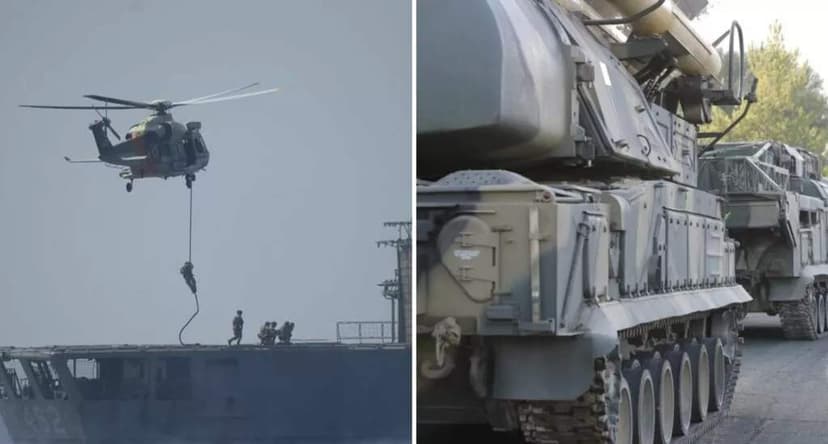
How Cyprus’ air defence shield works and who is coordinating allies
A major concentration of military forces is forming in the eastern Mediterranean to strengthen Cyprus’ defence against potential Iranian attacks, as the island’s air defence systems and international…

Saharan Dust Plume Affects Eastern Mediterranean
A new episode of Saharan dust is impacting the Eastern Mediterranean, including Greece, caused by a low-pressure system over Morocco and Algeria.

Politicsindex-hrn1-serbiacyprus-mail+3naftemporikiin-cyprusnewsbeast2d ago6 sources Military Bases in Cyprus and Their Control
Cyprus is described as one of the most 'militarized' areas in the Eastern Mediterranean, characterized by the coexistence of different control regimes, including British Sovereign Bases and other military presences.
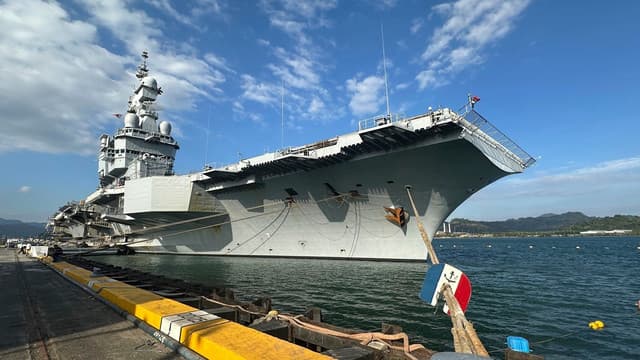
French Aircraft Carrier Charles de Gaulle Deploys to Eastern Mediterranean
Amid escalating US-Israeli attacks on Iran and Tehran's retaliatory strikes, France has decided to deploy its aircraft carrier Charles de Gaulle to the Eastern Mediterranean, signaling heightened military presence in the region.
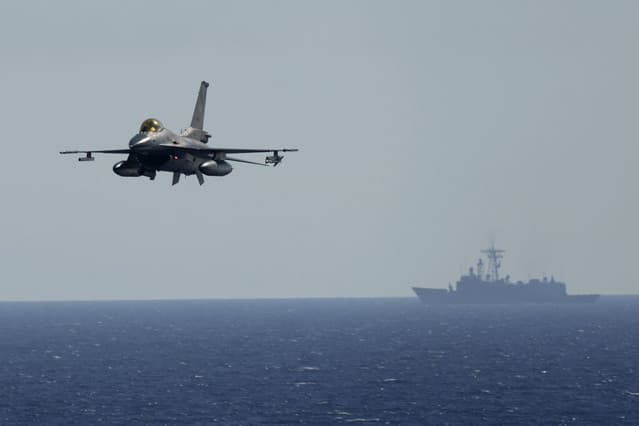
Greece-Turkey Relations: New Challenge Over EEZ and Blue Homeland Doctrine
Turkey has sent a letter to the UN, accusing Greece, Cyprus, and Egypt of violating its sovereign rights and its 'unilaterally' delimited Exclusive Economic Zone (EEZ) under the 'Blue Homeland' doctrine, escalating tensions in the Eastern Mediterranean.
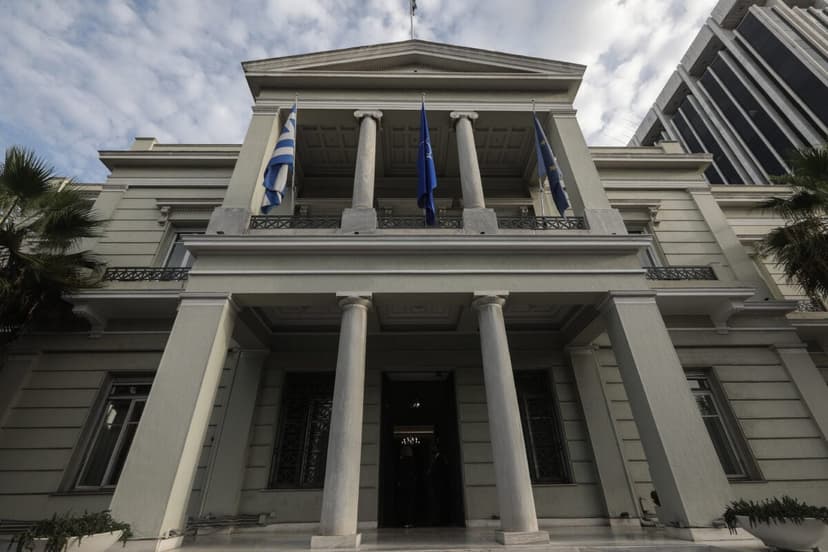
Politicsnaftemporikinewsbeast5d ago2 sources Turkey Sends Provocative Letter to UN Against Greece, Cyprus, and Egypt, Defending Turk-Libyan Memorandum
Turkey has escalated tensions in the Eastern Mediterranean by sending a new provocative letter to the UN, directly targeting Greece, Cyprus, and Egypt over maritime zones and insisting on the validity of the Turk-Libyan memorandum.
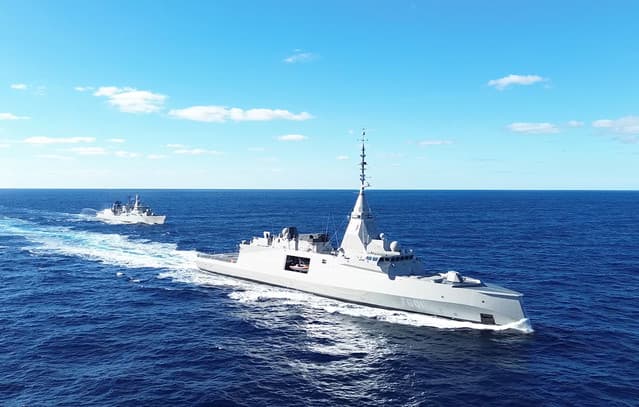
Turkish Cumhuriyet Newspaper Accused of Kemalist Propaganda Against Greece
The Turkish opposition newspaper Cumhuriyet, through a former diplomat, is accused of launching a calculated 'technocratic' attack on Greek positions in the Aegean and Eastern Mediterranean, framing it as legal analysis but serving Kemalist propaganda for 'Blue Homeland' ambitions.
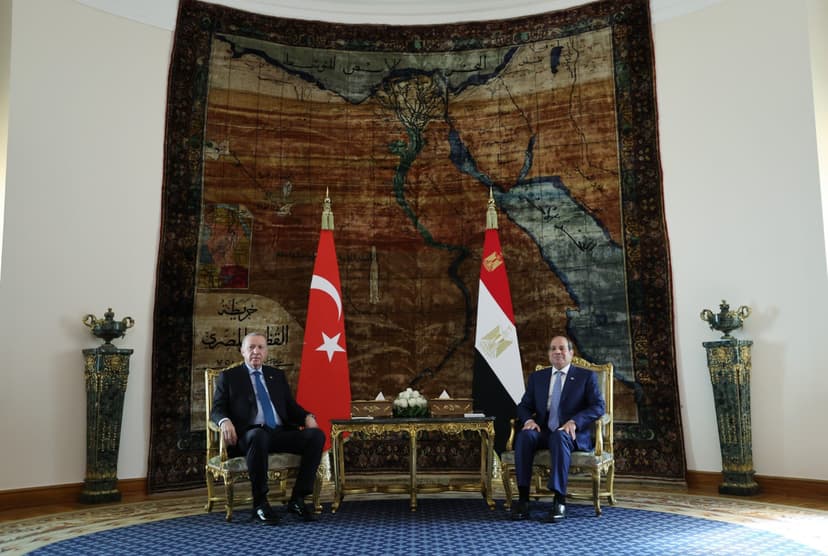
Ankara-Cairo Ties Reshaping East Mediterranean-Red Sea Corridor
The evolving relationship between Ankara and Cairo is seen as a significant factor in reshaping alliances and dynamics within the Eastern Mediterranean basin and the Red Sea corridor.

British Museum removes word ‘Palestine’ from some displays
Museum revises labelling on maps and panels, saying term used inaccurately and no longer historically neutral
The British Museum has removed the word “Palestine” from some of its displays, saying the term was used inaccurately and is no longer historically neutral.
Maps and information panels in the museum’s ancient Middle East galleries had referred to the eastern Mediterranean coast as Palestine, with some people described as being “of Palestinian descent”.
Continue reading...