
Hungarian Supreme Court Rules Kossuth Rádió Facebook Page Must Ensure Equal Opportunities
Hungary's Kúria (Supreme Court) ruled that the Kossuth Rádió Facebook page must ensure equal opportunities for political parties, overturning an earlier decision by the National Election Committee that had dismissed a complaint from the Tisza party regarding excessive Fidesz posts.

Danish Parties Propose Billions for School Investments
Danish political parties, including the Social Democrats and Venstre, are proposing to invest five billion kroner annually in schools, though with different approaches to reform.

INEC Raises Alarm Over Litigation and Internal Crises in Political Parties
The Independent National Electoral Commission (INEC) has expressed concern over the prevalence of internal squabbles, crises, and costly litigation within political parties, which threaten Nigeria's democratic consolidation and election planning.
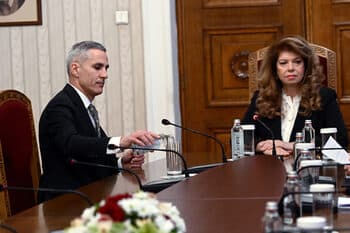
Bulgarian Parties Call for Security Council Meeting Amid Middle East Tensions
Bulgarian political parties have criticized the caretaker government and requested President Iliana Iotova to convene a meeting of the Consultative Council for National Security due to the situation in the Middle East and the evacuation of Bulgarian citizens.
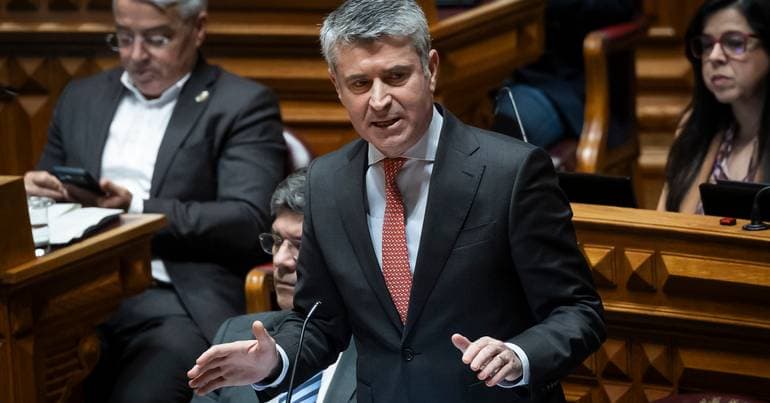
Politicspublicoobservador1d ago2 sources Portuguese Parties Divided on Lajes Base Use Amid US Relations
Portuguese political parties are divided over the use of the Lajes military base, with Chega and IL supporting the government's stance, the PS taking a middle ground, and the left criticizing perceived subservience to the United States.
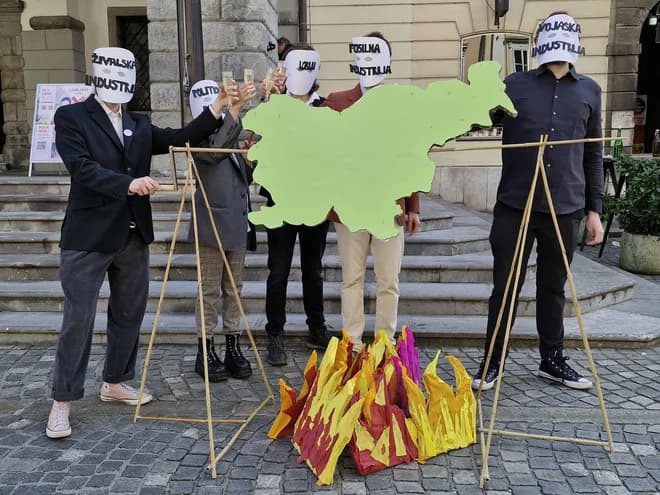
Slovenian Parties Evaluated on Environmental and Social Policies
A new assessment highlights significant differences among Slovenian political parties regarding their commitment to environmental and social well-being, noting that even the most ambitious programs fall short of addressing the climate crisis.
Portuguese Political Parties Urged to Govern Together
Leaders of Portugal's PSD and PS parties are being urged to take responsibility and govern together, marking a crucial time for the parties that founded the country's democracy to assume their roles.

As Nepal Votes On Thursday, Here Are The Major Political Parties To Watch
This will be the first national election since the Gen-Z protests brought down the coalition government led by KP Sharma Oli last year.

AI Disinformation in Nepal Elections
Nepali political parties are increasingly using social media and AI-generated disinformation to push their agendas and attract young voters, turning the elections into a 'digital battleground'.
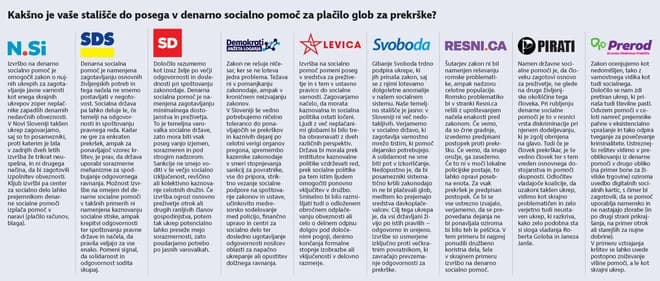
Debate Over Seizing Social Welfare for Fines Divides Slovenian Politics
A provision in the 'Šutar law' allowing the Financial Administration (Furs) to seize social welfare benefits for fines after three offenses in two years is causing division among political parties and the public in Slovenia, with the measure currently before the Constitutional Court.

Aguiar-Branco Calls for Date for Election of External Bodies
Aguiar-Branco has requested that political parties set a date for the election of external bodies, including the presentation of candidacies and committee hearings, for next Wednesday.
Nine Georgian Parties Form 'Opposition Alliance' to Safeguard Independence
Nine political parties in Georgia have announced the formation of an 'opposition alliance,' signing a strategic coordination document to work towards 'saving national independence and statehood' amidst a protracted political crisis.

AI-generated fake nude images lead to calls for tech company accountability
A woman's fake nude images, created using Artificial Intelligence, were spread online, prompting several political parties to advocate for penalties against technology companies that enable such features.
Nigerian Election Commission Overhauls Party Guidelines for 2027 Elections
Nigeria's Independent National Electoral Commission (INEC) has launched a comprehensive technical review of its regulations for political parties to align with the Electoral Act 2026, in preparation for the 2027 general elections.
2027: INEC overhauls party guidelines to align with Electoral Act 2026
By Omeiza Ajayi ABUJA: As part of efforts to fortify Nigeria’s democratic foundation, the Independent National Electoral Commission INEC has launched a comprehensive technical review of its regulations for political parties. This exercise aims to synchronize the Commission’s framework with the recently enacted Electoral Act 2026, ensuring legal clarity and operational integrity well before the […]
The post 2027: INEC overhauls party guidelines to align with Electoral Act 2026 appeared first o...

Portuguese Political Tensions: Chega and AD Divorce Imminent?
Reports suggest a potential split between Portuguese political parties Chega and AD, alongside ongoing delays in elections for constitutional and sovereign bodies, raising questions about future legislative outcomes.
PM Tarique urges parties to pledge efforts to change people’s fate
PM Tarique has urged political parties to pledge efforts to change the fate of the people.

Czech Post-Election Dynamics and New Political Parties
Sociologist Martin Buchtík discusses the fundamental post-election dynamics in the Czech Republic and considers whether there will be growing demand for a new political party.
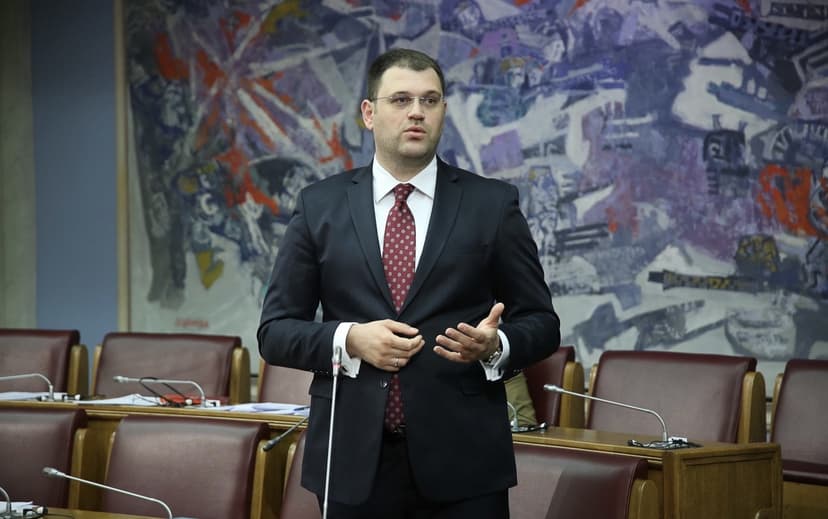
Montenegrin Opposition Criticizes Proposed Security Law Changes
A Democratic Party of Socialists (DPS) MP, Mihailo Anđušić, stated that proposed amendments to laws concerning Montenegro's National Security Agency (ANB) and internal affairs would turn the country into a police state through the abuse of the security sector by political parties.

Portuguese Political Parties Struggle to Agree on Judicial and State Council Appointments
Portuguese political parties are struggling to agree on appointments for judges, positions in the Council of State, and the Ombudsman's Office, with the PS party expressing nostalgia for a 'central bloc' agreement with the PSD.
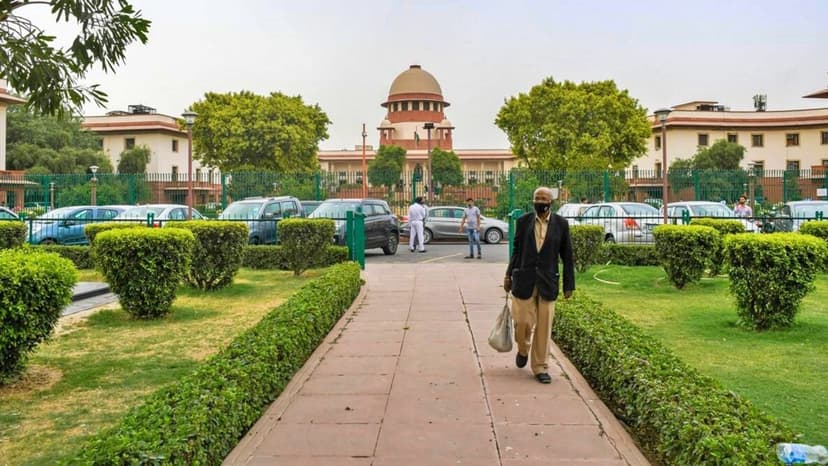
Indian Supreme Court seeks response on plea to cap poll expenses
The Indian Supreme Court has issued notices to the Centre and the Election Commission regarding a petition that seeks to impose a cap on political parties' election expenses.
Politicspunch-ngvanguard-ng6d ago2 sources Political Parties Clash Over Edo Shooting Claims and Attack on Obi's Convoy
The APC has blasted the ADC over claims of involvement in a political shooting in Edo, calling for a probe. Separately, a lawmaker dismissed allegations linking the Edo State government to an attack on Peter Obi’s convoy, labeling them false and politically motivated.

Residents and Political Cadres Protest in Srirangam
Residents and members of various political parties staged a protest in Srirangam.
Political Narratives Emerge Around Detention and Trial of Grubi in North Macedonia
Ruling political parties in North Macedonia are shaping narratives around the detention and legal process concerning a figure named Grubi, with discussions focusing on justice and accountability.
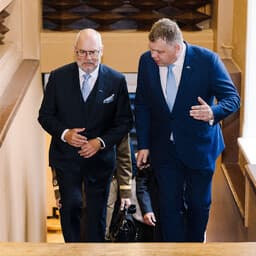
Political parties divided over Alar Karis' second presidential term
Estonia's six parliamentary parties are divided on President Alar Karis being elected to a second term.

Slovenian Political Parties Debate Economic Growth and Taxation
Slovenian political parties engaged in a debate hosted by the Chamber of Commerce and Industry, discussing solutions to declining economic growth, including proposals for lower taxes, wealth tax, development funds, or a development cap.
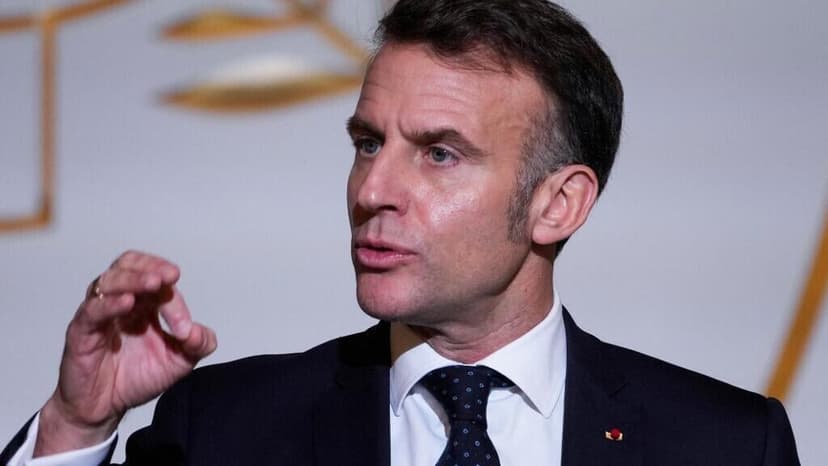
Macron urges France's political parties to come clean on ties to violent fringes
French president Emmanuel Macron on Wednesday urged parties across the political spectrum to disclose their links with groups advocating violence.
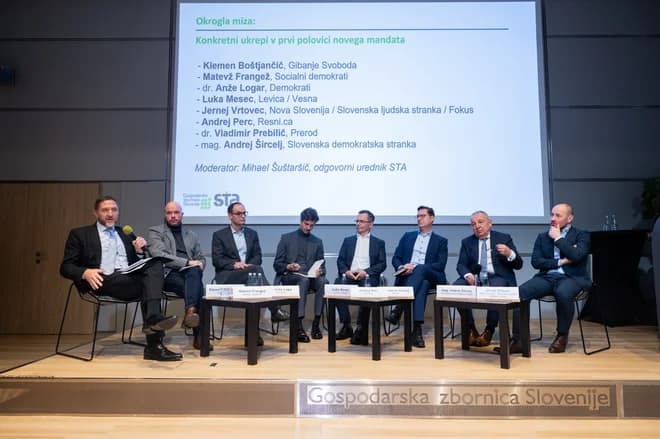
Slovenian Parties Present Economic Measures for Modern Industrial Policy
Political parties in Slovenia presented their proposed measures for economic development, focusing on a modern industrial policy, during an event organized by STA and GZS.
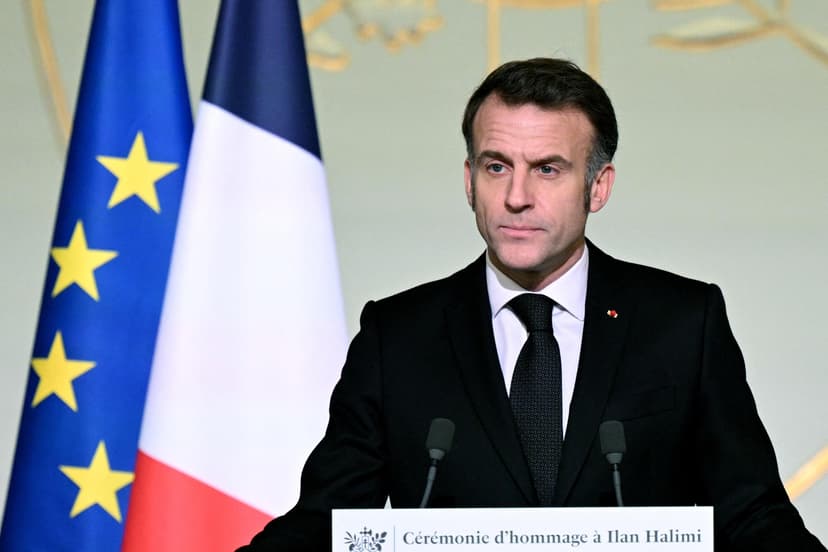
Macron Urges Parties with Ties to Violent Groups to Clarify Stance
French President Emmanuel Macron has called on political parties with links to violent groups to clarify their positions, with the government spokesperson stating the executive combats violence from all sources.
Public Prosecutors Association Calls for End to Political Rhetoric Affecting Judicial Independence
The Association of Public Prosecutors in North Macedonia has urged political parties to refrain from rhetoric that undermines the independence of prosecutors, following political comments on a house arrest measure in the 'State Lottery' case.
Portuguese Parties Push to Increase Funeral Support for Children
Political parties Livre, PAN, and JPP, along with a petition, are advocating for an increase in funeral support for children in Portugal, aiming to equate it with the subsidy for those with a contributory career. The government is reportedly analyzing the proposal.

Greek Political Parties Discuss Progressive Alliance and Labor Strikes
SYRIZA leader reiterates commitment to a progressive alliance, while another article highlights support for a 24-hour strike by hospitality and tourism workers, criticizing the government's labor policies.
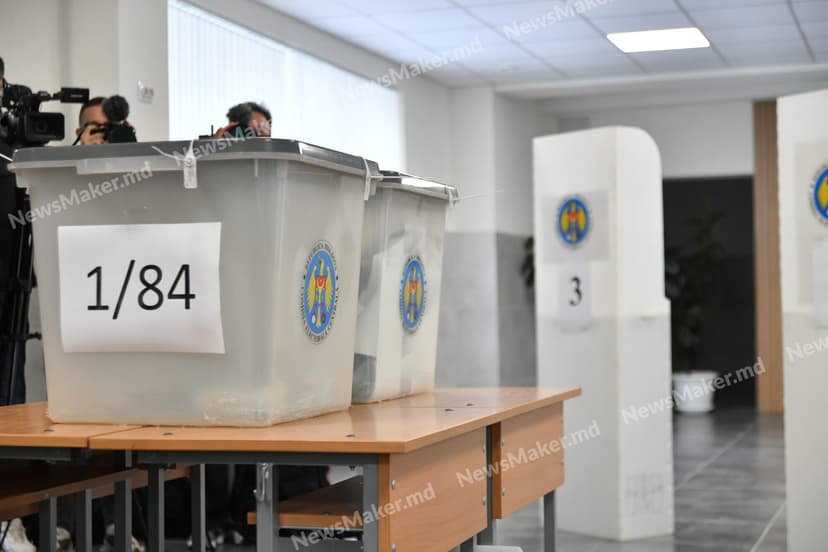
Moldova's CEC Announces Parties Eligible for May Local Elections and Referendum
Moldova's Central Election Commission (CEC) has announced that 36 out of 66 registered political parties have met legal requirements to participate in the new local elections and local referendum on May 17.
ECI delegation to visit Puducherry to review Assembly poll preparations
A delegation led by Chief Election Commissioner Gyanesh Kumar will visit Puducherry on Wednesday to review preparations for the upcoming Assembly polls, meeting with political parties and officials.
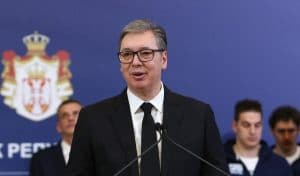
Serbia's Foreign Policy Navigates Party Interests and State Obligations
Serbia's foreign policy is described as a reflection of its political maturity, strategic consistency, and institutional integrity, navigating between the interests of political parties and the obligations of the state.
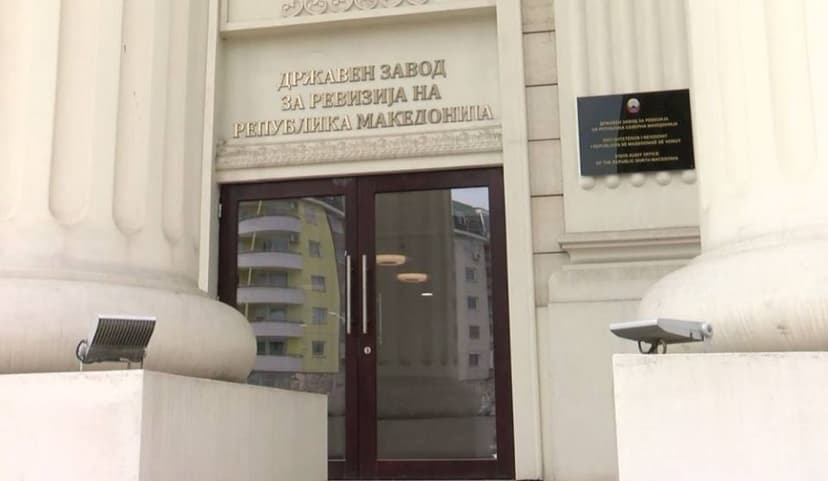
Macedonian State Audit Office Reports Parties Struggle with Old Debts and Unregulated Membership Fees
The State Audit Office (SAO) in North Macedonia has identified systemic weaknesses in the reports of all political parties, noting issues with old debts, unresolved property-legal inheritances, and unregulated membership fees.
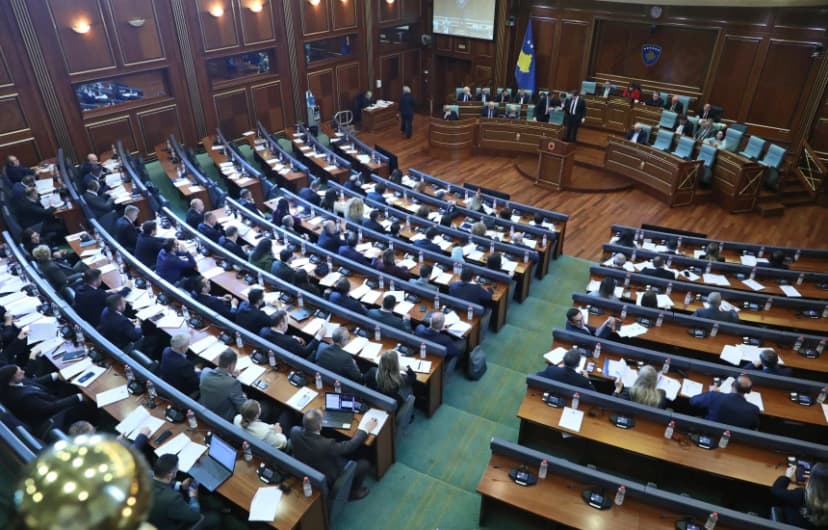
Kosovo Parties Struggle to Agree on Presidential Candidate
With only eight days left until the deadline for electing a president, Kosovo's major political parties have yet to present a candidate or announce their support for one.

Slovak Political Parties Announce Close Cooperation
Despite previous disagreements, Andrej Danko's party and Republika are announcing close cooperation, raising questions about whether upcoming municipal elections will test their parliamentary alliance.
Merkel calls speculation about German presidency bid 'absurd'
The office of former Chancellor Angela Merkel has dismissed reports that she could be in the running to become Germany's next president. Political parties are weighing who might replace President Steinmeier next year.

Brief Letters: Kenneth Williams and Racist Attitudes
A brief letter discusses Kenneth Williams and racist attitudes, alongside other topics such as cognitive shuffling, free art, and political parties.
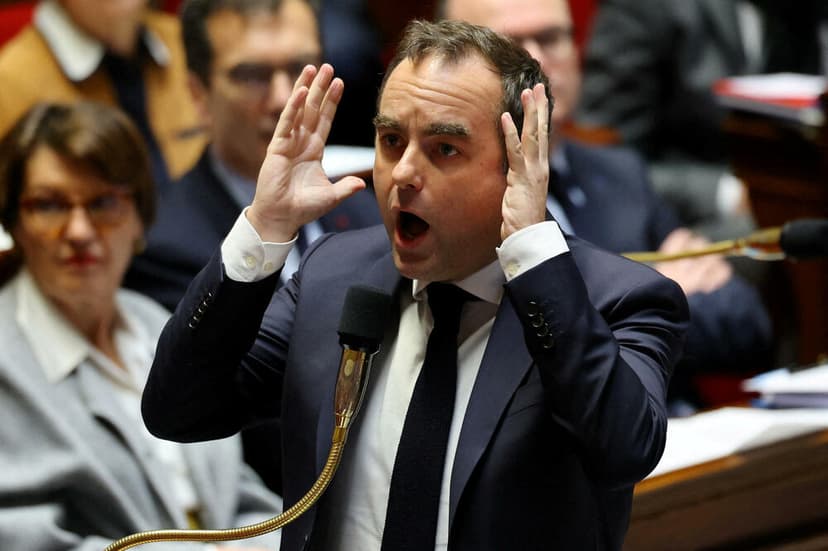
French Opposition Parties File No-Confidence Motions Against Government
Two political parties in Paris have filed no-confidence motions against Sébastien Lecornu's government, though all previous such requests have failed.

Luís Neves Accepts Role as Interior Minister, Rejects Spinumviva Case Confusion
Luís Neves has accepted the position of Minister of Internal Administration (MAI) without reservations, stating that a national director does not investigate anyone, thereby rejecting any confusion with the Spinumviva case. He also issued warnings to political parties, indicating openness to proposals but not those that 'violate' his 'conscience'.

US Ambassador Sparks Controversy in Belgium Over 'Corrupt' Politicians Remark
The US Ambassador to Belgium has ignited a new controversy by referring to two leaders of Belgian political parties, Frank Vandenbroucke and Conner Rousseau, as 'corrupt men'.

Swedish Political Parties' Voter Trust and EU Stance
A survey indicates that a majority of C-voters see Andersson as the best Prime Minister, while Busch's voter confidence is nearly as high as leaders of larger parties. Separately, nationalist parties like SD are shifting towards a pro-EU stance, viewing a united Europe as essential for national survival.

Belgian Parties Accuse MR President Bouchez of Drifting Towards Far-Right
Belgian political parties PS and DéFI have accused MR president Georges-Louis Bouchez of leaning towards the far-right, citing screenshots of a retweeted message that called RTBF journalists 'gestapistes,' which Bouchez denies retweeting.

Worldn1-serbiadanas10d ago2 sources Missing Teenager Found Dead in Zrenjanin, Serbia
Nineteen-year-old Manuel Ametov, who had been missing for nearly a week in Zrenjanin, Serbia, has been found dead. Roma and other political parties are calling for police accountability regarding the case.
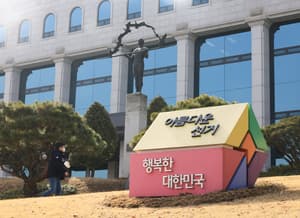
South Korea Begins 100-Day Countdown to 2026 Local Elections
Political parties in South Korea are preparing for the June 3 local elections, with a 100-day countdown now underway. Parliamentary by-elections are also expected to increase as lawmakers seek local government positions.

Matt Taibbi: Epstein Files Are "Uniquely Destructive" To Both Political Parties
Matt Taibbi: Epstein Files Are "Uniquely Destructive" To Both Political Parties
Submitted by QTR's Fringe Finance
This week I interviewed Matt Taibbi at a moment when, as he put it, “this is a pretty weird time.” He had just learned that his outlet, Racket News, had been investigated by the British government using what he described as “human intelligence sources and all kinds of crazy stuff.”
“It’s been pretty weird,” he told me. What struck him most was how normalized this kind of pressure has become. Governments, he said, now routinely “hire out private intelligence firms and private PR firms to devise strategies to undermine negative press.” If you’re doing adversarial reporting, he added, “you’ll get swept up in this. So you probably have been, you just don’t know it.”
From there, we moved into the Epstein story, which has become a political third rail. I asked him whether bipartisan silence around certain issues should worry people. Taibbi said most of what happens in Washington is already bipartisan; the public just doesn’t see it. “The thing that we call the news,” he said, is “a sliver of disagreement” between parties. The rest—“98% of the business that’s done there”—happens with quiet agreement.
On the Epstein files, he argued that both parties miscalculated. The Trump camp, he said, built expectations around full transparency and then stumbled. “Dumping tons of stuff out without any context tends to have a lot of unintended consequences,” he said. The result has been politically damaging across the board.
He also pushed back on some of the public narrative. The fascination with Epstein, he said, rests on three assumptions: that Epstein worked for intelligence, that he ran a vast trafficking ring, and that the two were connected through political blackmail. “There’s an abundance of evidence” of serious sexual crimes, he acknowledged. But on the intelligence-blackmail theory, “there’s nothing that puts it all together and says that’s what was happening. It could, but it’s just not there yet.”
What he does see is a slow-burn release strategy. “You’ll notice that they never fully release everything,” he told me. “It’s like Zeno’s paradox. We’re never going to get all the way to the wall with this.” Each new tranche fuels public demand and media frenzy, with the promise that the next batch might contain the “kill shot” that takes down someone powerful.
We then shifted to New York politics and the rise of Zohran Mamdani. Taibbi sees his early proposals—like raising property taxes—as predictable. If state-level backing doesn’t materialize, he suggested, the Democratic Party may distance itself. “The Democratic Party has decided not to back this horse,” he said. In his view, the party faces a structural dilemma: a base that is moving left out of economic frustration, and a national electoral map that may not tolerate that shift.
He connected that frustration to student debt and monetary policy. When I brought up inflation and deficit spending, he traced the arc back to post-2008 policies and the explosion of quantitative easing. “All you’re doing is accelerating inequality on the one hand,” he said, “and you’re raising the debt burden for everybody else.” The result, he argued, is a generation that feels locked out of homeownership and upward mobility.
On immigration and recent ICE enforcement actions, Taibbi resisted simple partisanship. He said he found neighborhood sweeps and masked agents “scary,” comparing aspects of the approach to “an enhanced federal version of stop and frisk.” At the same time, he criticized the ideological shift that made even basic border enforcement seem taboo. “It’s not like having borders is inherently xenophobic,” he said. “It’s just a part of governance. Part of being a nation.”
At the end of the conversation, Taibbi outlined changes at Racket News. He said he had “basically fired” himself as editor-in-chief and brought in new leadership to refocus on document-based investigations. The site, he told me, is doubling down on FOIA-driven reporting and digging into stories like expansive FBI investigations and the British controversy now touching his own outlet.
The through line of our discussion was less about left versus right than about institutions under strain—media, parties, law enforcement, and financial systems alike. Taibbi’s core warning was that much of what truly matters happens in the bipartisan shadows, while the public argues over the sliver that makes it onto cable news.
(WATCH THE FULL VIDEO INTERVIEW WITH MATT HERE).
Tyler Durden
Fri, 02/20/2026 - 10:00
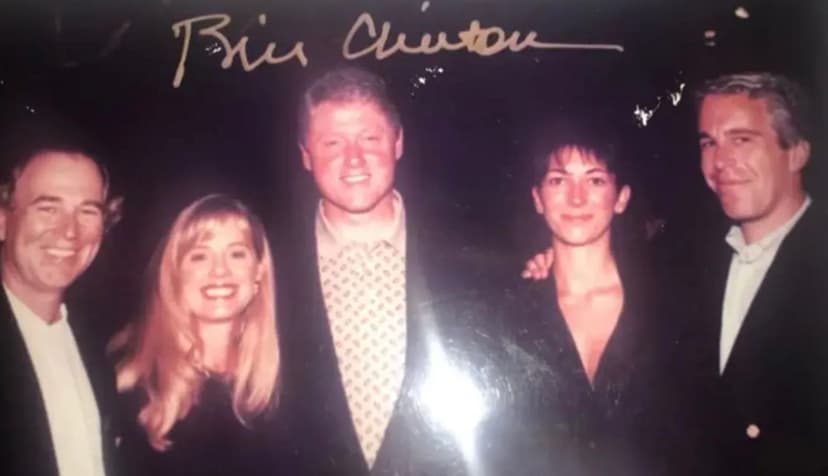
PoliticsFox NewsYahoozerohedge+1Tehran Times15d ago4 sources When Both Sides Go Quiet
When Both Sides Go Quiet
Submitted by QTR's Fringe Finance
There is a political instinct that I’ve developed over the last few decade or so: when both parties are shouting, it’s business as usual. When both parties go quiet, pay attention, because something ugly is probably getting passed or covered up, and the American taxpayer is likely footing the bill of consequences.
Few public controversies in recent memory have generated as much bipartisan distrust as the handling of the Epstein files. Republicans accused Democrats of failing to pursue full transparency while President Biden was in office. Now Democrats accuse Republicans of withholding or slow-walking the release of the complete records. The blame shifts with political control, but the underlying fact pattern remains the same: both parties have figures of influence whose names have surfaced in connection with Epstein’s orbit.
That reality complicates the politics of accountability and fuels public suspicion that neither side is entirely comfortable with full disclosure.
What should have been a straightforward matter of transparency, identifying networks of power, influence, and possible criminal complicity, has instead unfolded as a slow humiliating drip of redactions, procedural delays, partial disclosures and cagey congressional testimony. Each release seems to raise more questions than it resolves. These questions revolve around sex trafficking, exploitation, abuse of minors, coercion and manipulation, elite complicity, obstruction of justice, etc.
But the deeper damage taking place now is not only about the crimes associated with Jeffrey Epstein. It is about institutional response. If only one political party had meaningful exposure to the scandal, the other would likely have been far more relentless in demanding transparency. But this is different. Despite Democrats harping on the files now, they were quiet in the years prior to Trump’s second term and, because Epstein’s connections span media, finance, academia, and politics, the discomfort still appears bipartisan.
And that is precisely what unsettles me.
When both political parties fail to press aggressively on something meaningful, especially something morally explosive, it often suggests that the issue cuts deeper than surface narratives allow. Bipartisan hesitation can signal overlapping vulnerability. Silence across the aisle is rarely accidental.
The horror here is not just what may have occurred in private circles of power, but the perception that the institutions tasked with accountability are reluctant to fully illuminate it. Justice delayed in cases involving elites feels less like procedural caution and more like reputational risk management. Whether or not that perception is entirely fair, it is corrosive.
Meanwhile, Goldman Sachs’ chief legal officer Kathryn Ruemmler announced her resignation after new emails with Epstein came to light, prompting internal pressure at the firm. British political figure Peter Mandelson resigned from the House of Lords and the Labour Party, and Scotland Yard has opened a criminal investigation into his ties with Epstein. In Norway, parliament has launched an external inquiry into prominent diplomats for their connections to Epstein, and police are investigating corruption allegations against former prime minister Thorbjørn Jagland and others.
🔥 50% OFF FOR LIFE: Using this coupon entitles you to 50% off an annual subscription to Fringe Finance for life: Get 50% off forever
Across Europe, these disclosures have triggered formal probes, resignations, and institutional reviews that contrast sharply with the relative lack of accountability for high-profile figures in the United States, where calls for investigations and resignations have largely stalled. I mean, is Les Wexner really allowed to just walk around free at this point? How can that be possible? How are Kimbal Musk and Elon Musk allowed to remain on Tesla’s board? Why isn’t Bill Gates being hauled in front of congress?
I have long argued that Americans should apply the same “when both parties agree, the American public is getting screwed” scrutiny to monetary policy for a similar reason. It is one of the few areas where both major political parties display remarkable convergence. While they wage visible battles over cultural issues and tax rates, they tend to align on central banking frameworks, large scale liquidity interventions, and deficit tolerance. Like other cover-ups, that alignment deserves examination.
Monetary policy operates largely outside daily partisan warfare, yet it shapes purchasing power, asset prices, debt burdens, and wealth distribution. When balance sheets expand aggressively and markets are repeatedly stabilized during downturns, the effects are uneven. Asset holders often benefit first and most. Meanwhile, wage earners experience the lagging side effects such as inflationary pressure, higher living costs, and diminished purchasing power.
Supporters of Modern Monetary Theory argue that sovereign currency systems provide more fiscal flexibility than traditionally assumed. Critics counter that, in practice, repeated interventions risk entrenching a cycle in which gains are privatized and losses are socialized. When markets rise, the wealth effect accrues to those with substantial exposure. When markets falter, public backstops prevent collapse. The middle class absorbs the inflationary residue. And the wealth gap widens:
The structural similarity matters. When both parties avoid aggressive debate on a policy that materially burdens the average American, it raises the same instinctive question of what incentives are being protected. Monetary policy may not carry the visceral grotesqueness of the Epstein scandal, but it carries long term economic consequences that most Americans don’t know they are bearing, and don’t understand that they are being lied to about.
The comparison is not moral equivalence. It is structural parallel. In one case, alleged networks of power may be shielded by mutual hesitation. In the other, a financial architecture persists with limited democratic scrutiny because challenging it would destabilize shared political comfort. In both cases, bipartisan alignment dampens confrontation. Two forms of silence. Two different domains. Both revealing.
Foreign policy, particularly the authorization and funding of wars, has often followed a similar pattern. While domestic issues produce loud partisan divides, military interventions abroad frequently pass with overwhelming support from leadership in both parties. Public debate may flare at the margins, but institutional consensus tends to solidify quickly once action begins.
History shows that major military engagements, from post 9/11 authorizations to prolonged overseas conflicts, have often been backed by broad congressional majorities. The initial votes are decisive. The funding continues year after year. Only later, when costs mount and public opinion shifts, does meaningful dissent emerge. By then, strategic commitments and financial obligations are deeply entrenched.
Again, the pattern is not about moral equivalence between policy domains. It is about incentives. When both political parties converge quickly on matters involving immense money, immense power, or immense liability, scrutiny tends to narrow rather than widen. And when scrutiny narrows at the highest levels, the public’s role shifts from participant to spectator.
When both political parties fail to address something meaningful, when they close ranks instead of competing for exposure, the public should not assume the issue is trivial. More often, it suggests the truth behind the surface may be larger and more consequential than advertised.
Democracies depend not just on disagreement, but on adversarial pressure. When that pressure disappears, citizens are right to lean in, not tune out. When both sides go quiet, the story is rarely over. As the Epstein files are showing, it may simply run far deeper than we are being shown.
Now read:
Today's Epstein’s Records Destroy Official Narratives
Our Liquidity Addiction Continues
Do DOJ Docs Show Epstein Death Notice A Day Early?
The Hijacking Of Bitcoin: Epstein’s Hidden Network
Why America’s Two-Party System Will Never Threaten the True Political Elites
QTR’s Disclaimer: Please read my full legal disclaimer on my About page here. This post represents my opinions only. In addition, please understand I am an idiot and often get things wrong and lose money. I may own or transact in any names mentioned in this piece at any time without warning. Contributor posts and aggregated posts have been hand selected by me, have not been fact checked and are the opinions of their authors. They are either submitted to QTR by their author, reprinted under a Creative Commons license with my best effort to uphold what the license asks, or with the permission of the author.
This is not a recommendation to buy or sell any stocks or securities, just my opinions. I often lose money on positions I trade/invest in. I may add any name mentioned in this article and sell any name mentioned in this piece at any time, without further warning. None of this is a solicitation to buy or sell securities. I may or may not own names I write about and are watching. Sometimes I’m bullish without owning things, sometimes I’m bearish and do own things. Just assume my positions could be exactly the opposite of what you think they are just in case. If I’m long I could quickly be short and vice versa. I won’t update my positions. All positions can change immediately as soon as I publish this, with or without notice and at any point I can be long, short or neutral on any position. You are on your own. Do not make decisions based on my blog. I exist on the fringe. If you see numbers and calculations of any sort, assume they are wrong and double check them. I failed Algebra in 8th grade and topped off my high school math accolades by getting a D- in remedial Calculus my senior year, before becoming an English major in college so I could bullshit my way through things easier. I am an investor in Mark’s fund.
The publisher does not guarantee the accuracy or completeness of the information provided in this page. These are not the opinions of any of my employers, partners, or associates. I did my best to be honest about my disclosures but can’t guarantee I am right; I write these posts after a couple beers sometimes. I edit after my posts are published because I’m impatient and lazy, so if you see a typo, check back in a half hour. Also, I just straight up get shit wrong a lot. I mention it twice because it’s that important.
Tyler Durden
Tue, 02/17/2026 - 14:00

PoliticsThe Guardiantimes-ukNew Statesman15d ago3 sources UK Politics Grapples with Shifting Class Dynamics and Lack of Working-Class Representation
A new analysis suggests that traditional political parties in the UK are failing to represent the evolving working class, leading to a disconnect between politics and contemporary class dynamics.
Japanese Political Parties Agree to Expedite Budget Deliberation
Executives from Japan's Liberal Democratic Party (LDP) and Nippon Ishin no Kai (Ishin) have met and agreed to accelerate deliberations on the new fiscal year's budget bill to ensure its early passage.
Edo Governor Pledges 2.5 Million Votes for Tinubu in 2027
Edo Governor Monday Okpebholo has vowed to secure 2.5 million votes from Edo State for President Tinubu in the 2027 elections, as he welcomed new members defecting from other political parties.

Before announcing W.B. poll dates, EC members to assess ground situation in the State from March 8
Full Commission to meet State poll, law enforcement officials, political parties; to check logistics, identify high tension areas for extra security deployment; plans for CCTV cameras outside poll…

Arrest of Andrew Mountbatten Sparks Royal Family Scrutiny in UK
The arrest of Andrew Mountbatten has compelled the British government and King Charles III to address internal issues within the Windsor family, with political parties unanimously approving the release of official documents regarding the monarch's brother's activities.
Politicsreporter-albalkan-web12h ago2 sources Albanian Electoral Reform at a Crossroads Amid Mistrust and Pressure
After a two-month deadlock, Albanian political parties resumed electoral reform discussions in mid-February, reaching a compromise but maintaining significant mistrust. The first agreed-upon product is a special law on Political Party Financing.

Slovenian political parties analyze pre-election debates
Journalists Žiga Bonča and Marko Gregorc analyzed the performance of political parties in a recent pre-election debate held in the UKC Ljubljana lobby, focusing on the 'Pirates' and SD parties' tactics.

Call for Urban America to Rebuild and Embrace Individual Responsibility
An opinion piece argues that urban communities need a mental reset to break cycles of dependency, urging them to embrace individual responsibility rather than relying on political parties.

DMK and TNCC leadership negotiate for Assembly elections
The DMK has insisted that the Congress accept its offer to accommodate more political parties in their alliance for the Assembly elections, leaving the final decision to the AICC high command.

Denmark Debates Lifting Ban on Nuclear Weapons on Danish Soil
An opinion piece argues that Denmark should lift its 66-year-old doctrine against nuclear weapons on Danish soil, urging political parties to address the issue.
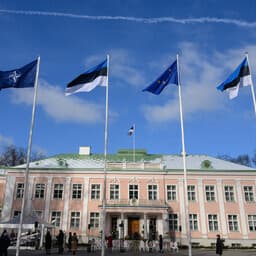
Voters from all political parties support 2nd president term for Karis
Three-quarters or more of voters of all parliamentary parties, except EKRE, support Alar Karis serving a second term as president, a new survey shows.
Johana Ng’eno, MP who spoke his mind in House
He argued that sycophancy in politics destroys political parties and hinders leadership
Montenegro Debates Security Laws for MUP and ANB
A 'Reflektor' program in Montenegro discusses proposed laws concerning the Ministry of Internal Affairs (MUP) and the National Security Agency (ANB), questioning whether they serve political parties or society.
Serbian political analyst urges parties to leave students alone if they want to contribute to Vučić's removal
A political analyst emphasizes that student organizations have brought much new to Serbia's political life and advises political parties to let students operate independently if they aim to contribute to the removal of Aleksandar Vučić.

Portuguese Government Faces Questions on Lajes Base and Middle East Conflict
Portuguese political parties are demanding explanations from the government regarding the Lajes base, with concerns raised about a lack of information and the country's involvement in the Middle East conflict.
Nigerian Electoral Act Poses Hurdles for 2027 Aspirants
Opposition political parties and leaders in Nigeria are facing significant challenges due to the 2026 Electoral Act, particularly concerning consensus and direct primaries, as they prepare for the 2027 elections.
Polls Indicate Public Desire for Punitive Vote in Greece
Recent polls in Greece suggest that voters are inclined towards a 'punitive vote,' reflecting public dissatisfaction and a desire to penalize political parties.

Zurich City Parliament Election Candidate Analysis
An interactive analysis of over a thousand candidates for the Zurich City Parliament reveals the diversity of political parties, noting that the SVP is more diverse than the SP.
Burkina Faso to eliminate political party seats in Transitional Legislative Assembly
Burkina Faso's Transitional Legislative Assembly is set to eliminate the 12 seats currently allocated to political parties, signaling a shift in the country's political structure.
Nigerian Parties Race Against May Deadline for 2027 Election Primaries
Nigeria's INEC has released a revised 2027 election timetable, giving political parties a tight 91-day window to conduct their primaries, a deadline that has drawn protests from opposition parties.
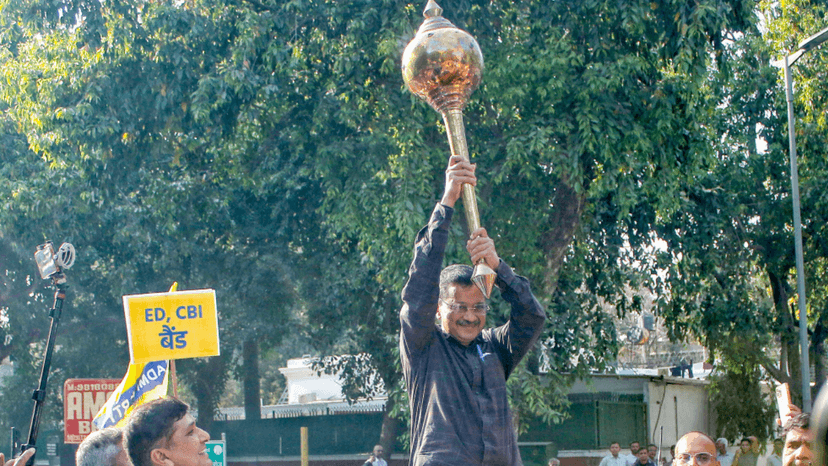
Court Relief for Kejriwal and Implications for Indian Political Parties
A court has granted relief to Kejriwal, with implications for the BJP, Congress, and the opposition in India.
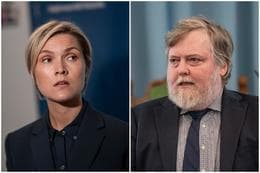
Icelandic Political Poll Shows Samfylkingin and Miðflokkurinn Leading
A new poll conducted by Prósent from January 21 to February 16 indicates that the Social Democratic Alliance (Samfylkingin) and the Centre Party (Miðflokkurinn) have the highest support among Icelandic political parties.

Danish Government Faces Criticism Over Abolition of Great Prayer Day Holiday
Danish political parties are hesitant to guarantee that Great Prayer Day will remain a working day, despite the SVM government's previous assertion that its abolition was necessary.
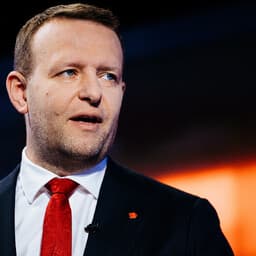
Estonian Social Democratic Party Bill to Limit Political Donations Passes First Reading
A bill initiated by Estonia's opposition Social Democratic Party faction, aiming to set an upper limit on individual donations to political parties, has passed its first reading in the Riigikogu.
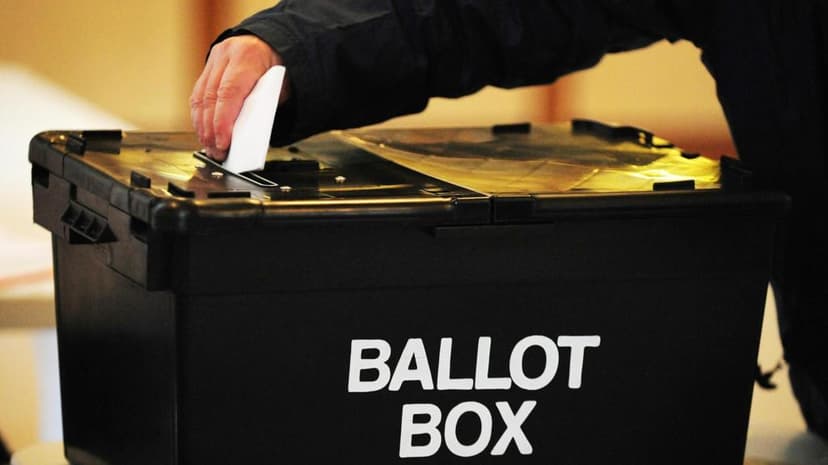
Pressure on Scottish Parties to Detail Budget Plans Ahead of Holyrood Election
As the Holyrood election approaches, political parties in Scotland are under pressure to demonstrate how they will fund their campaign promises and make their budgets add up.

Swedish Healthcare Coordination for Addiction and Mental Illness Needs Improvement
Swedish political parties (Tidöpartierna) argue that healthcare for individuals with addiction and mental illness needs better coordination, stating that currently "no one takes responsibility."

Portuguese Government Admits Deficit and Public Debt Increase
The Portuguese government has admitted to a projected deficit and an increase in public debt following a round of meetings with political parties. The Minister of Finance is expected to be discharged from the hospital soon.
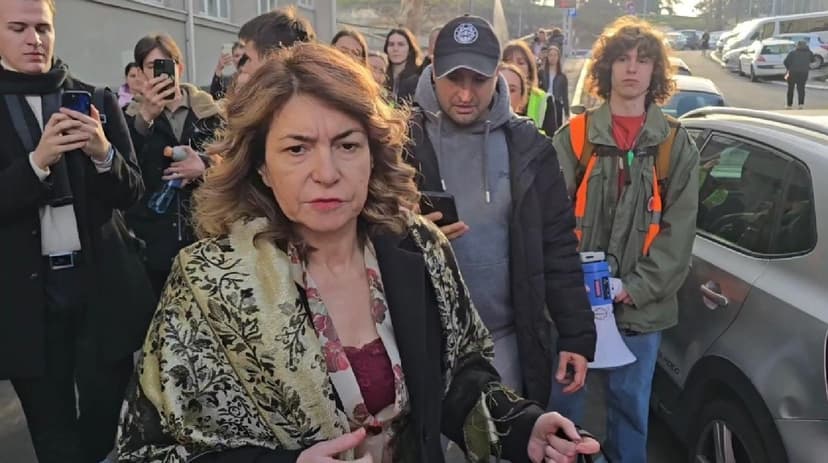
Serbian Opposition Criticizes Danka Nešović's Appointment
Several Serbian opposition political parties have criticized the appointment of Danka Nešović, former acting director of the Fifth Belgrade Gymnasium, to an assistant position, calling it a deliberate humiliation of education workers.

Political parties criticise budget speech amid stagnant growth
Parties and labour organisations have slammed the 2026 Budget for failing to tackle low growth, high unemployment, and municipal distress, while cautiously welcoming tax relief and social grant increases
Consensus on Modern Industrial Policy in Slovenia
Slovenian political parties presented measures in the economic sector at an event organized by STA and GZS, indicating a consensus on modern industrial policy.
ZNAM Movement Criticizes SDSM and DUI on Justice and Rule of Law
North Macedonia's ZNAM Movement has criticized SDSM and DUI, asserting that justice should not be a tool for political parties and laws should not be broken for political needs, emphasizing principled governance.
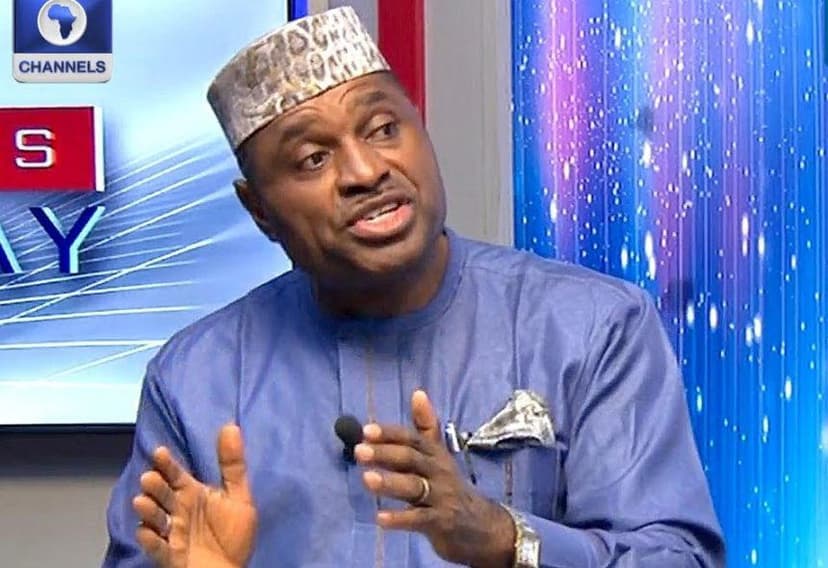
Alleged Assassination Attempt on ADC Leaders Called 'Genocide Against Political Parties'
An ADC leader has alleged an assassination attempt on party leaders, describing it as a 'genocide against political parties' and accusing the ruling APC of trying to impose a one-party system.
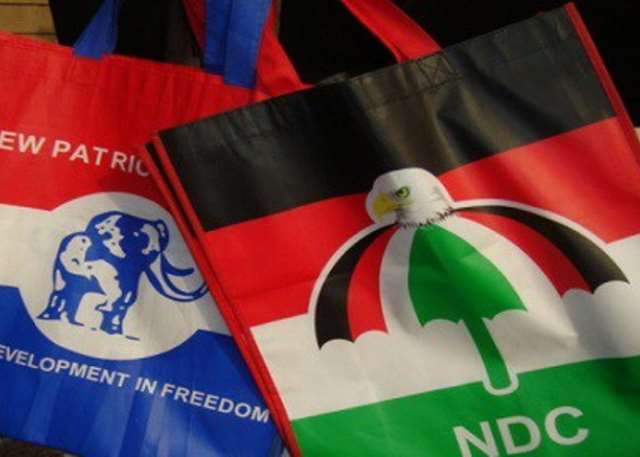
NDC and NPP are parties of the elites – Yaw Nsarkoh laments political drift
Business executive and former Unilever Executive Vice President Yaw Nsarkoh has described Ghana’s two main political parties as “the party of the elites.”
Portuguese Bankers Defend Against Cartel Accusations in Parliament
Bank officials in Portugal are defending themselves in Parliament against accusations of forming a cartel, with political parties united in their censure. The banking sector denies flooding courts with appeals but acknowledges that previously detected practices are now prohibited.

Dutch Minister Sjoerd Sjoerdsma Faces Scrutiny Over Past Statements
Dutch political parties VVD and D66 are involved in a discussion regarding past statements made by D66 minister Sjoerd Sjoerdsma, which are reportedly causing him trouble.
Moldova's Central Electoral Commission Publishes List of Parties for Local Elections
Moldova's Central Electoral Commission (CEC) published the list of political parties eligible to participate in the new local elections and local referendum on May 17, 2026.
Amhara Political Parties Support Ethiopian Federation Council Decision
The Amhara National Movement Party and the Amhara Democratic Forces Movement have expressed their support for the decision made by the Ethiopian House of Federation.
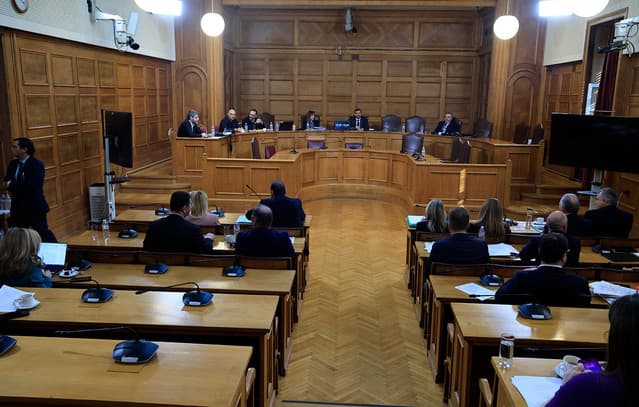
Greek Parties Submit Findings of OPEKEPE Investigative Committee
Political parties in Greece are submitting their multi-page reports to the Parliament's special permanent committees, based on the work of the Investigative Committee probing issues related to OPEKEPE.
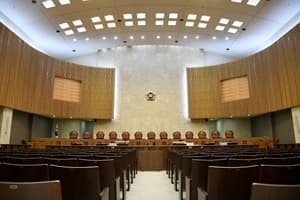
Judicial reform takes center stage in Korean politics
The rift between South Korea’s two main political parties is deepening once again, this time over contested judicial reform bills. The bill package comprises three bills. These are revisions to the Criminal Act to view a misapplication of law as a criminal offense through what would be equivalent to the German concept of "Rechtsbeugung"; the Court Organization Act to increase the number of Supreme Court justices from 14 to 26 before President Lee Jae Myung's term ends; and the Constitutional Cou

Greek political parties SYRIZA and PASOK struggle to form progressive front
Despite rhetoric about progressive convergence, efforts to form a progressive front between SYRIZA and PASOK appear to be failing before they can even begin, resembling a self-fulfilling prophecy of failure.
Nigeria Democratic Congress receives INEC registration certificate
The Independent National Electoral Commission, INEC, on Monday presented the certificate of registration to the Nigeria Democratic Congress, NDC, one of the two political parties the Commission recently registered.
The post Nigeria Democratic Congress receives INEC registration certificate appeared first on Vanguard News.
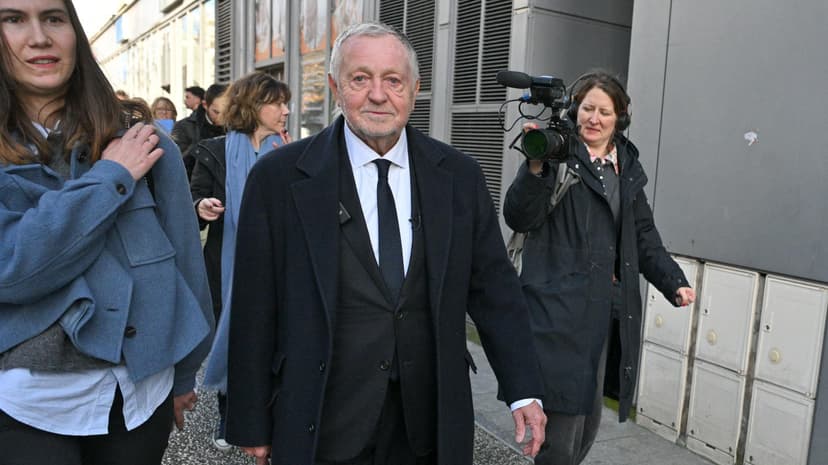
Lyon Municipal Elections: Aulas Campaigns for Mayor
Jean-Michel Aulas, a businessman, is campaigning for mayor in Lyon's municipal elections, successfully imposing his candidacy across a broad spectrum of political parties and capitalizing on the unpopularity of traditional party structures.
Montenegro's Electoral Reform Stalled
Marija Vesković, advisor to the President of Montenegro, warned that political parties are not showing genuine will for electoral reforms, despite Montenegro's obligations to close negotiation chapters and implement key reforms.
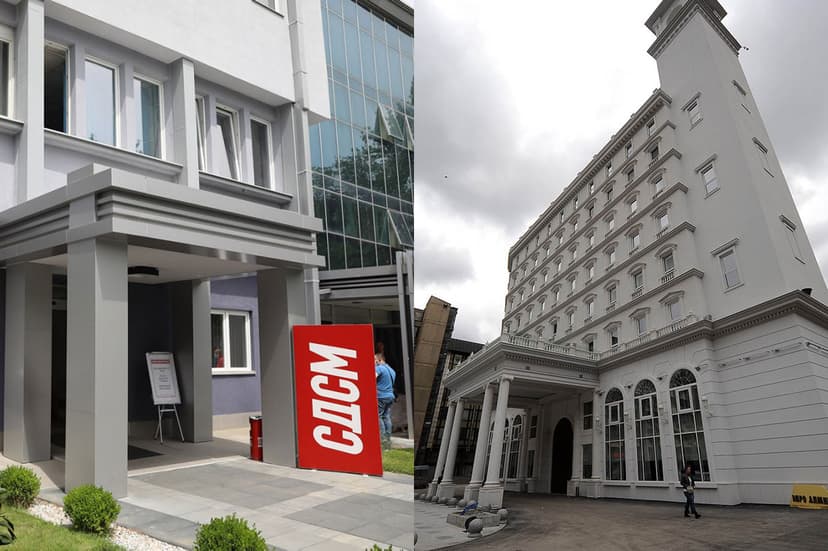
Macedonian Parties Exchange Accusations Over Artan Grubi's Arrest
Macedonian political parties SDSM and VMRO-DPMNE exchanged accusations regarding the arrest of Artan Grubi. SDSM claimed it was a political deal, while VMRO-DPMNE suggested SDSM was frustrated by what Grubi knows about their alleged crimes.

Slovenian Political Parties' Finances Revealed, Gibanje Svoboda Richest
An investigation into Slovenian political parties' finances shows that Gibanje Svoboda was the wealthiest party last year, receiving the most state funding. Non-parliamentary parties also receive funds, with Resni.ca receiving the most among them.
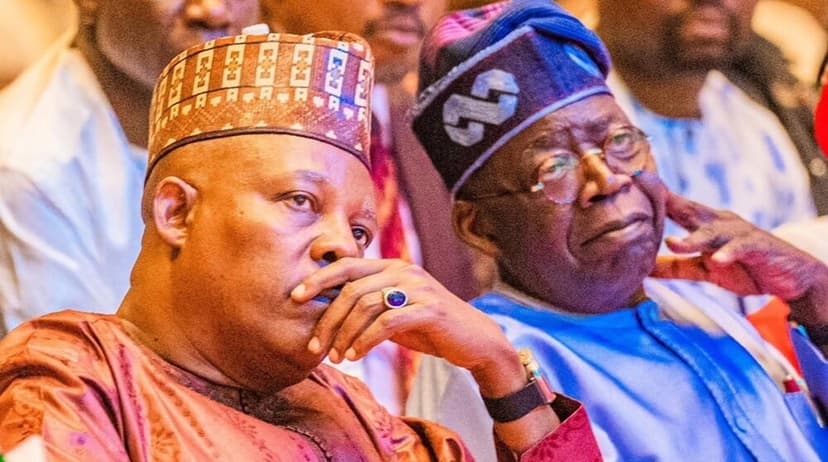
2027 polls: APC, 4 parties ready, 16 others in candidates’ crisis
The release of the timetable for the February 20, 2027 general elections by the Independent National Electoral Commission, INEC, may have caught most of the registered political parties in the country unprepared for the contest, and they have a tough nut to crack to make up for lost ground.
The post 2027 polls: APC, 4 parties ready, 16 others in candidates’ crisis appeared first on Vanguard News.
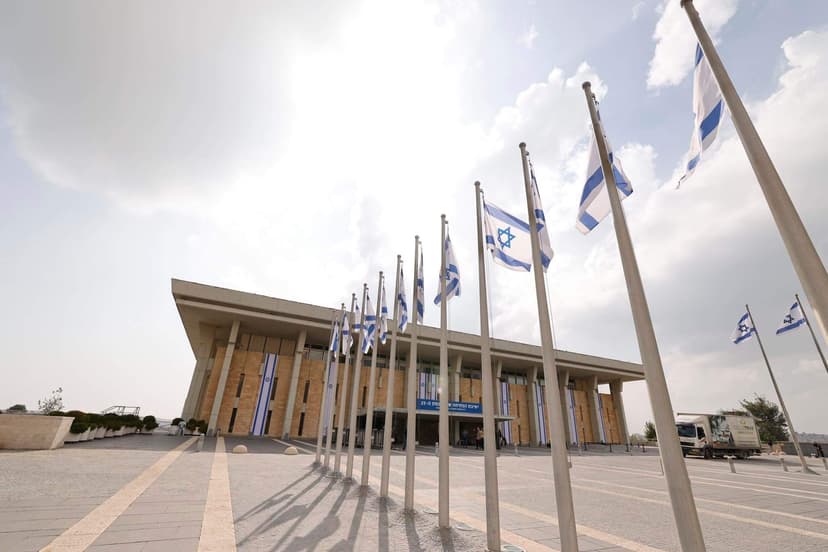
Semi-Open Ballot Proposed to Reform Israel’s Electoral System
A rare bipartisan push in the Knesset could introduce a semi-open ballot system, giving Israeli voters more influence over individual representatives rather than just political parties.

Arrest of Anonymous Fénix Hacker Group Leaders in Madrid
The leaders of the Spanish hacker group Anonymous Fénix have been arrested in Madrid for allegedly carrying out cyberattacks against various government bodies, political parties, and public institutions.
Ethiopian Electoral Board Unveils Party Symbols, Parties Sign Code of Conduct for 7th General Election
Ethiopia's Electoral Board has revealed the symbols for 48 political parties registered for the upcoming 7th General Election, with parties also signing a code of conduct to ensure fair electoral practices.
New think tank emerges to 'offer fresh ideas to calcified political sphere'
Tallinn University political scientist Ott Lumi told ERR Estonia's governance is overly technocratic, prompting the launch of the Chamber of Principle, an open platform offering ideas to all political parties.
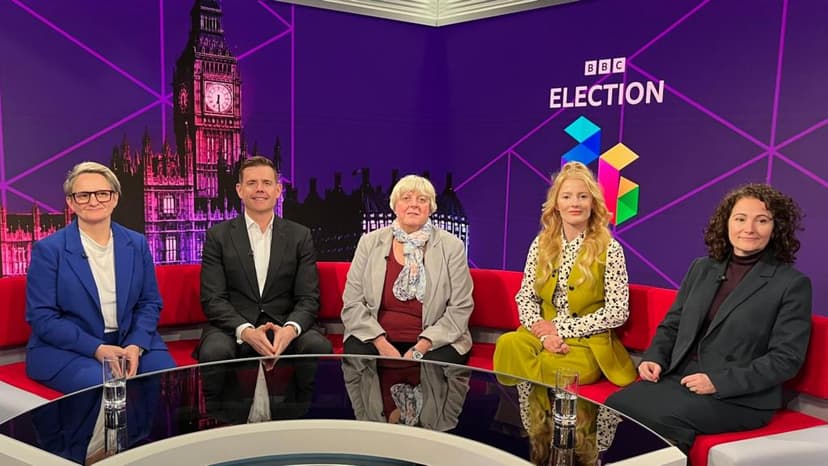
Gorton and Denton By-Election Candidates Debate Key Issues
Candidates from five political parties vying for the Gorton and Denton by-election seat participated in a BBC debate, addressing various local and national issues.
Eye of the storm
IT has been a worrying week for the PTI as the news about Imran Khan’s health became public and dominated news headlines and private conversations. From the sketchy information that came out initially, it appeared that he had some problem with his eye and has lost up to 85 per cent of his vision in that eye. This was reported by lawyer Salman Safdar, after his court-appointed visit to Khan at Adiala jail, though there had been news reports about the matter earlier. According to Safdar, the percentage was communicated to Khan by the doctors who examined him.
The government’s earlier reaction appeared a bit inexplicable. It took the government days to confirm the problem, after it had been reported in the media. And then it did nothing while the Supreme Court woke up to take notice, sending Safdar to the jail. Over the weekend, there were reports that a team of doctors had been sent to the jail to examine him, while his family and personal doctors continued to wait for access. As the family and party refused to accept the government’s decision of giving access to only certain individuals (rather than the family being allowed to choose the person) the examination was carried out at the jail by doctors without any relative present.
The party is trying to build up pressure through protests and sit-ins, which seems to cause no sleepless nights to the government. This is so despite reports that KP is cut off from the rest of the country. The PTI is getting criticised for this though it is hard to understand why the federal government is ignoring it.
To return to Adiala, this is a good time for a reminder that health issues, especially of imprisoned political prisoners, should not be downplayed or treated lightly. For this reason, the government should provide all help possible to Khan; this includes allowing his family and personal doctors access to him, so they can take decisions on his health, instead of the government making the call on which experts should conduct the examination and which family members can be present. This reeks of callousness.
The reports of Khan’s ill health have added fuel to the talk of a probable deal.
However, there is a political angle to this entire crisis. The reports of Khan’s ill health have added fuel to the talk of a probable deal or ‘dheel’, as it seems to share some parallels with the platelets issue which allowed Nawaz Sharif to be freed and flown to London. In fact, the question being asked again and again in Islamabad is if this is Platelets 2, implying that some backroom deal is being worked out.
It is important to point out that the rumours did not just emerge as a result of health worries but also because of the events of the past couple of weeks where the cooperation between the federal and provincial governments improved. Once this happened, the allegations of drugs and other criminal activities directed at Chief Minister Sohail Afridi gave way to praise for his cooperation with Islamabad. So once the reports of the illness emerged, it simply lent credence to rumours that something was cooking.
At the moment, it is hard for those of us who live away from Constitution Avenue to comment on these rumours with any authority. And because I would like to feel better about my ignorance, perhaps some of those living on Constitution Avenue may also be as ill-informed as the rest of us mortals.
Despite this, there is much support for the idea of a deal. For many within the PTI think it would provide respite to Khan and others and allow them to bide their time for a return to power (as in the case of other politicians in the past). On the government side, it is seen as a way to bring some stability to the situation, allowing the focus to remain on the economy.
But all of this ignores a larger issue, beyond the comfort of those in power and in the opposition. In other words, beyond the level of high politics, where the players tend to be the establishment, the parties and individuals, what will this deal bring to dissatisfied people who have been feeding into the popularity and stature of Khan? Indeed, it is this anger which has resurrected Khan and the PTI each time a fatal blow has been struck in the direction of the party in what is ‘high politics’. Be it the forcible exits from the PTI of the more well-known faces or the decision to deprive the party of its symbol — popular support for it has ensured that none of these steps proved sufficient.
So it is perhaps worth asking what the impact of such a ‘deal’ would be. Suppose the deal does disillusion the supporters of Khan and undermines his popularity in a way similar to Nawaz Sharif and the PML-N. (The economy and its poor performance landed the second blow on N’s popularity.) And then what options will be left for the people to still stay engaged in electoral politics. Will they opt for other, smaller political parties? Or will they look around for more radical options?
The point here is that the establishment needs to realise that it not going to be enough to win over politicians to its side; this is not what will make the system more stable. For the system to be more stable, it is not enough to quieten politicians such as Sharif or Khan and then revel in the decline of their popularity. For real stability, the anger of the people will have to be understood and then addressed through a more equitable economic system and by giving them a voice. Instead of focusing on high politics, it might help if for once attention were paid to the level at which people operate and exist. After all, electoral politics in Balochistan was tamed some time ago, but stability continues to be elusive.
The writer is a journalist.
Published in Dawn, February 17th, 2026
Inquiry Launched into Schools Hosting Influencers Promoting Sexualization
An inquiry has been launched into school directors who hosted influencers promoting sexualization, following pressure from political parties on the government to investigate these incidents.
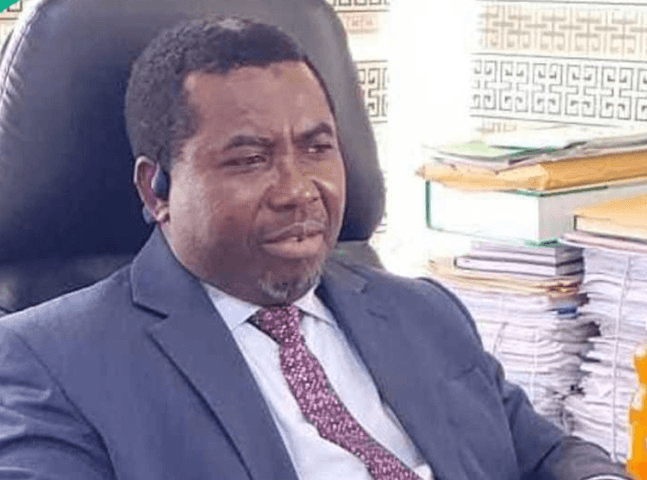
INEC chairman warns poor party democracy could undermine 2027 elections
The Chairman of the Independent National Electoral Commission (INEC), Prof. Joash Amupitan, has raised concerns over how weak internal democracy within political parties could negatively affect elections conducted by the commission.
The post INEC chairman warns poor party democracy could undermine 2027 elections appeared first on Vanguard News.

Danish Political Parties Struggle to Attract Young Voters
A former campaign manager for Alex Vanopslagh highlights that Socialdemokratiet and Venstre are losing young voters because they fail to offer value in exchange for time spent on social media, often appearing out of touch.

Croatian Political Parties Submit Financial Reports
Croatian parliamentary parties have submitted their financial reports for the past year, with HDZ and Možemo showing a surplus, while SDP reported a deficit.

Nepal Prepares for Crucial Post-Uprising Elections
Nepal is set to hold crucial elections on March 5, following last year's protests, with new political parties challenging the established old guard amidst youth demands for reform.
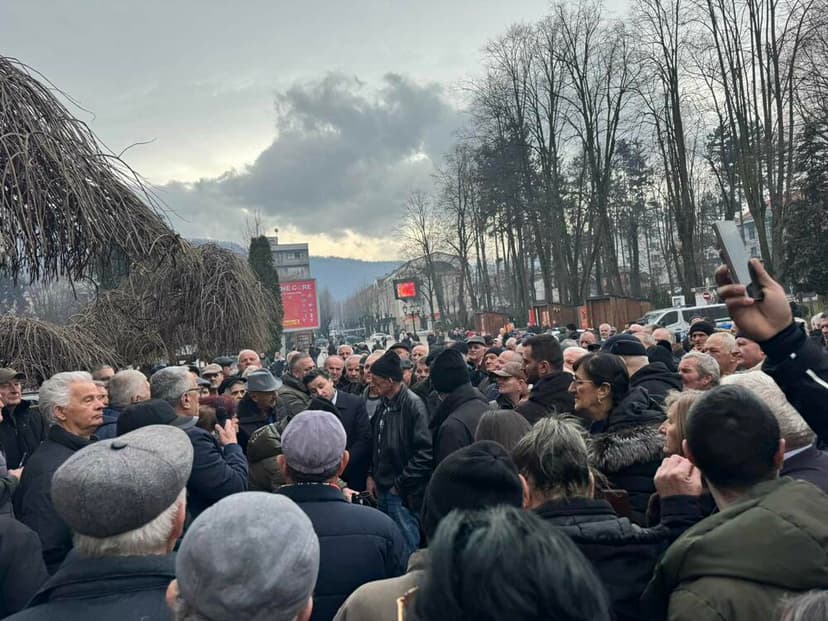
Pensioners in Northern Montenegro Organize Protests
Pensioners in northern Montenegro are organizing protests on March 23rd in Bijelo Polje, calling on political parties not to use their gatherings for political presentations and to support them through their parliamentary representatives.

Debate on France's Role in Middle East Amid Iran Conflict
Fears of escalation in the Iran conflict have reignited debate in France over the country's role in the Middle East, with political parties scrutinizing its position ahead of municipal elections.
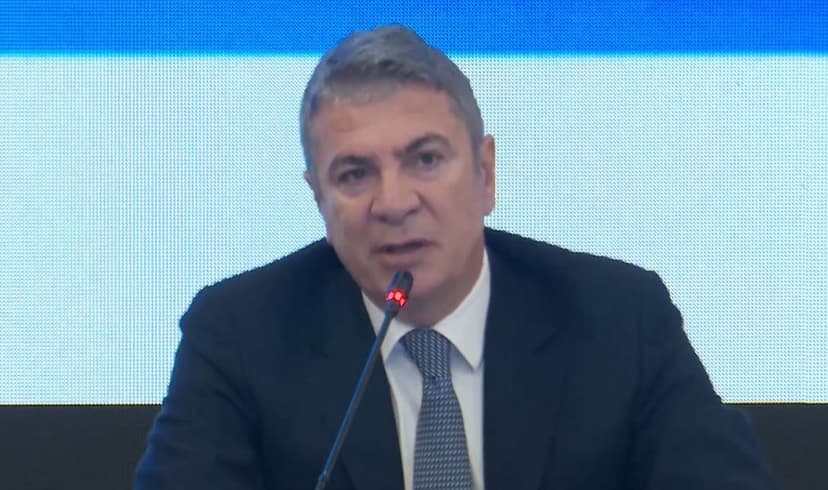
Albanian Electoral Reform Table Discusses Party Financing, Aims for Joint Draft
The Special Parliamentary Committee for Electoral Reform in Albania has begun discussions on the financing of political parties, with Damian Gjiknuri announcing an agreement for both the majority and opposition to produce a joint draft, urging against partisan animosity.

Nepal’s Gen Z threw out old parties. Will it vote for them in key election?
Last year's protests reflected popular disenchantment with established political parties, which are again seeking power.

Italian Political Parties Debate New Electoral Law and Antisemitism Bill
Italy's 5-Star Movement vice-president Patuanelli warns of dangers to democracy from a new electoral law, advocating for reduced bonuses and preferences. Meanwhile, the Democratic Party considers abstaining on an antisemitism bill, risking a center-left split.

Danish Parties Condemn Memorial Service for Iranian Ayatollah
Danish political parties are strongly condemning a memorial service held in Nørrebro for the deceased Iranian Ayatollah, with some suggesting participation should impact citizenship prospects.
Students Urged to Remain Independent from Political Parties in Serbia
An article emphasizes the importance of student organizations maintaining independence from political parties to effectively contribute to political change in Serbia, particularly regarding the removal of Aleksandar Vučić.

German Public Opinion Shifts Away from US
A new Allensbach survey indicates a growing sentiment among Germans, across all political parties, that the global situation is threatening, with a particular generation increasingly relying on Europe.

Italian Electoral Law Reform Sparks Political Debate
A dispute over Italy's electoral law, particularly regarding bonus seats and the right-wing's alleged aim to control key state institutions, has sparked debate among political parties. Former minister Franceschini denounces the reform's potential to allow the right to elect the president unilaterally.
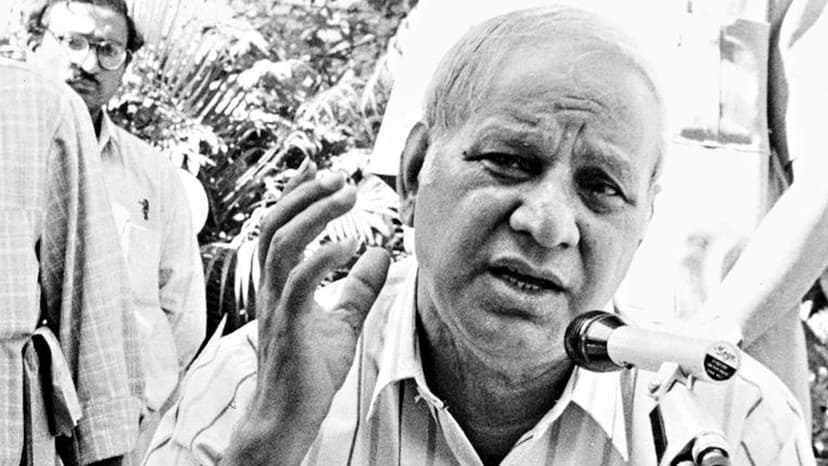
Kanshi Ram Becomes Rallying Point for Dalit Mobilization in Uttar Pradesh
With Assembly polls approaching, major political parties in Uttar Pradesh are intensifying their outreach to Scheduled Castes, focusing on BSP founder Kanshi Ram's birth anniversary, signaling a renewed battle for the state's crucial 21% Dalit vote.

Croatian Political Party DOMiNO Reports €300,000 Deficit, Sparks Debate on Funding
The Croatian political party DOMiNO has reported a deficit of 300,000 euros, prompting questions about its financing as political parties submit their financial reports for 2025 to the State Election Commission.

Icelandic Political Parties and Elected Representatives
An article discusses the familiar 'cleanup' of elected representatives by Icelandic political parties, referencing Jón Gnarr's Best Party from 2009.
Kosovo Faces Potential Snap Elections Amid Presidential Consensus Failure
Political parties in Kosovo are struggling to reach a consensus on the president, raising the prospect of snap elections within weeks, following a year of legislative stagnation and previous early elections.

Slovak Political Parties Battle for Voters, Smer Attacks Overseas Voting
Slovak political parties are intensely campaigning for voters, with Smer criticizing overseas voting while PS (Progressive Slovakia) loses ground, as discussed in a podcast with sociologist Pudmarčík.
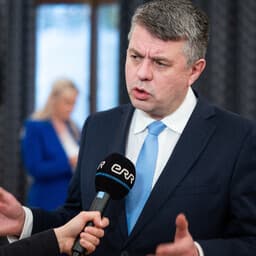
Estonian Isamaa Chair Criticizes Parties for Not Openly Opposing Karis's Second Term
Urmas Reinsalu, leader of Estonia's Isamaa party, stated that some political parties lack the courage to openly oppose Alar Karis's bid for a second term as president.
Lisbon Pigeon Loft Construction Near Daycare Sparks Protests
Plans to build a pigeon loft next to a daycare center in Marvila, Lisbon, have drawn protests from parents and political parties concerned about health risks, after the original loft was demolished for a hospital.
Danish Political Parties' Latest Poll Standings
The latest Voxmeter poll shows the red bloc with a six-mandate lead over the blue bloc in Denmark.
Motivation of Opposition Political Parties in Ghana
An article explores the underlying motivations and objectives of opposition political parties in Ghana.
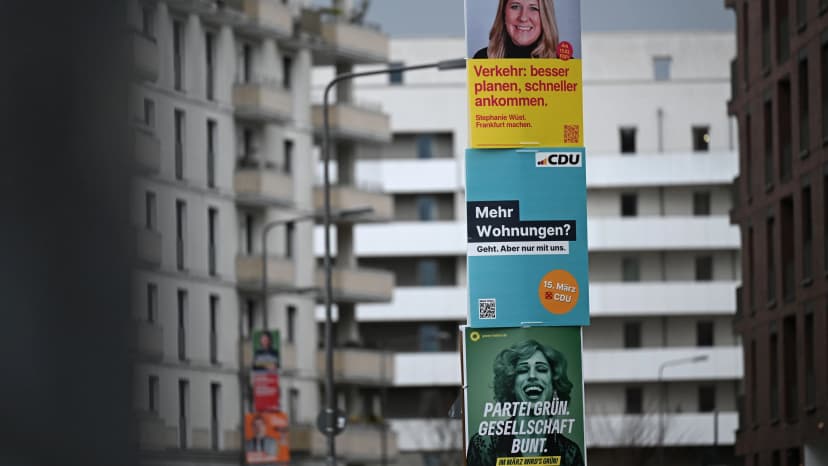
Frankfurt Mayoral Candidates Present Visions for the City
Four political parties in Frankfurt (CDU, SPD, Greens, FDP) are presenting their visions for the city, imagining how their election programs would be implemented with an absolute majority.
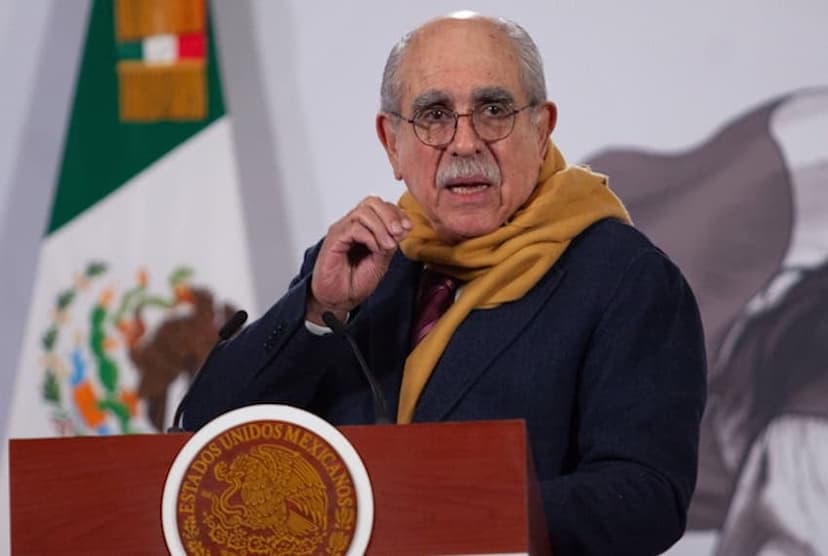
Morena’s electoral reform would shrink the Senate, cut election budget and simplify voting from abroad
It would also support the use of electronic voting, reduce political parties' permitted per-day advertising time on TV and radio and eliminate the free ride that "plurinomial" candidates now enjoy.
The post Morena’s electoral reform would shrink the Senate, cut election budget and simplify voting from abroad appeared first on Mexico News Daily

1962 By-Election Shocks Legacy Parties, Signals End of Two-Party System
An archival piece reflects on a significant by-election in March 1962 that surprised established political parties and suggested a shift away from the traditional two-party system.
Kosovo NGOs Call for Agreement on New President
A group of non-governmental organizations in Kosovo has urged parliamentary political parties to agree on the election of a new president by March 4th to avoid the dissolution of the Assembly and new elections.
Portuguese Parties Propose Carbon Neutrality or New Secretariat for PTRR
Portuguese political parties are presenting proposals for the Portugal Transformation, Recovery and Resilience (PTRR) program, including options for carbon neutrality or the creation of a new Secretary of State.
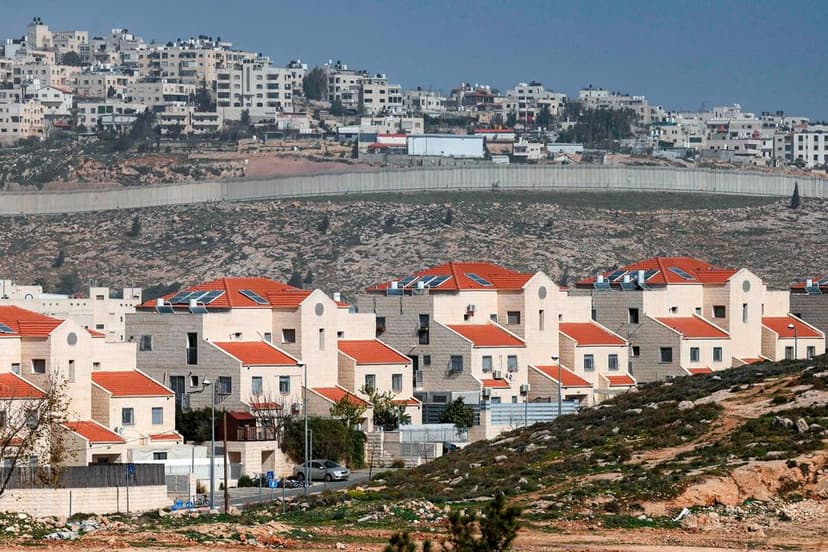
Danish Parties Propose Ban on Trade with Israeli Settlements
Three Danish political parties (Radikale, SF, and Enhedslisten) are proposing a ban on trade with Israeli settlements in the West Bank, citing the explosive expansion of these settlements.

Finnish Parties Agree on Billion-Euro Adjustment Targets for Next Government Term
Finnish political parties have agreed on annual adjustment targets worth billions of euros for the next government term, regardless of the coalition's composition, with the Left Alliance opting out.

Political Parties Accused of Following Putin's Nationalism Playbook
An analysis suggests that political movements from Trump's MAGA to Farage's Reform are adopting a nationalism playbook similar to Vladimir Putin's, emphasizing concepts like a 'patriotic school curriculum' that ultimately lead to submission to a leader.

UK MPs Call for Temporary Ban on Crypto Donations to Political Parties
Members of Parliament in the UK are demanding a temporary ban on cryptocurrency donations to political parties, citing concerns that crypto's anonymity could circumvent rules on foreign donations.

Greek Political Parties and Accountability
An article discusses the concept of political responsibility in Greece, specifically referencing PASOK and New Democracy, and the perceived reluctance to resign.
North Macedonian State Audit Office Publishes Financial Reports of Political Parties
The State Audit Office (SAO) has published reports on the financial operations of DUI, VMRO-DPMNE, SDSM, Levica, and Alternativa for 2024, with auditors expressing reservations about the truthfulness and objectivity of most financial statements.
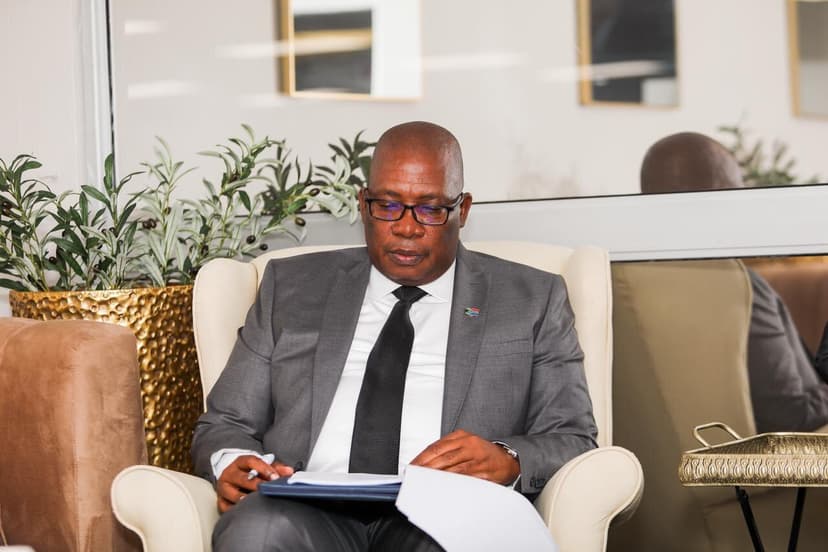
Gauteng Water Crisis and Premier Lesufi's Apology Dominate Political Debate
Gauteng's ongoing water crisis and Premier Panyaza Lesufi's apology for comments about using hotel facilities during outages became central issues as political parties responded to his State of the Province address.

Enugu State Sets N150 Million Advertising Permit for 2027 Political Campaigns
Enugu State in Nigeria has mandated a N150 million fee for political parties and candidates to obtain advertising permits for the 2027 elections, sparking debate over the cost of visual campaign materials.
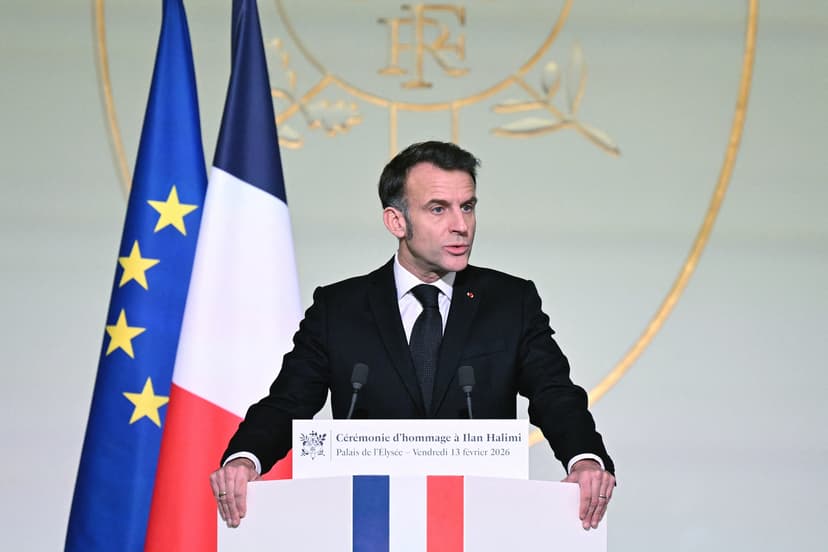
French President Macron Convenes Meeting on Violent Action Groups
French President Emmanuel Macron has called a meeting to discuss violent action groups, following the death of Quentin Deranque. The meeting aims to address groups with ties to political parties.
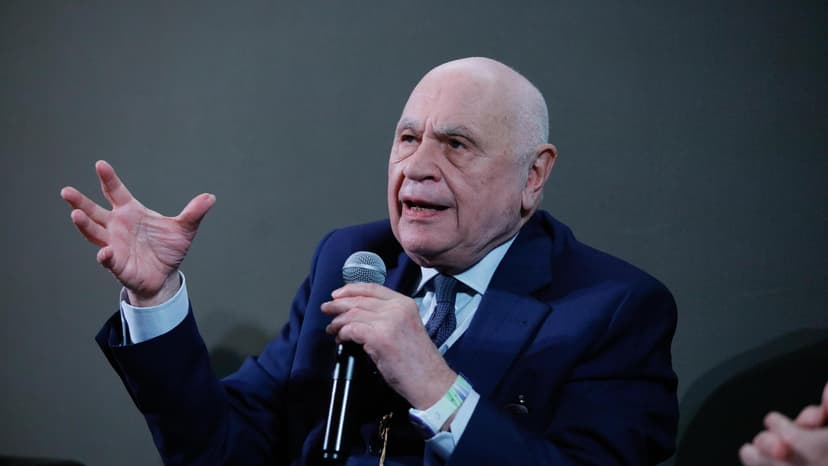
Italian Minister Nordio criticizes magistrates, warns of judicial influence on politics
Italian Minister Nordio has again attacked magistrates, accusing them of attempting to 'mortgage politics.' He warned that a 'no' vote would increase the judiciary's conditioning of political parties.

Rally for Tamil Language Conservation
A rally was held to urge political parties to include Tamil language conservation in their election manifestos, advocating for Tamil as the medium of instruction, Tamil temple rituals, and Tamil as a compulsory college subject.

First Major Pre-Election Debate Held in Koper, Slovenia
Koper is set to host the first major pre-election debate, where a team of journalists will fact-check statements from the leaders of eight political parties live.
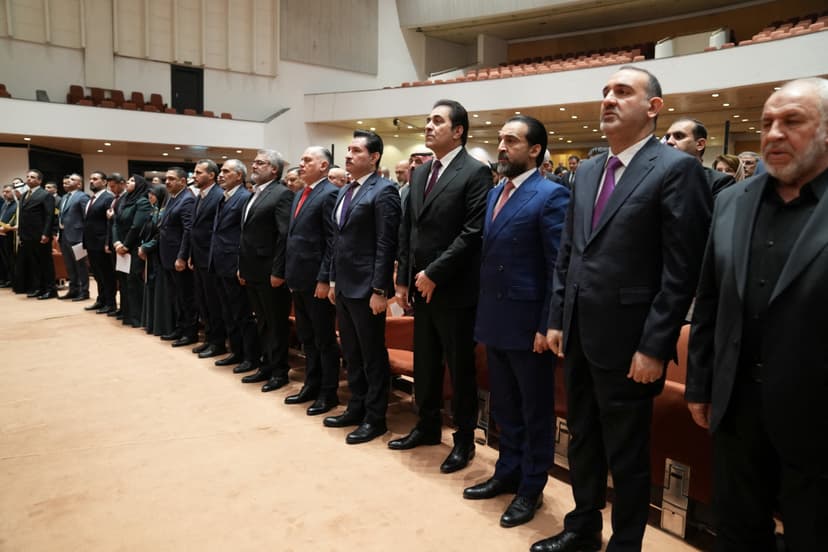
Iraq faces political crisis as, months after elections, they still lack clear leadership - analysis
Months after an election in Iraq, there is still no new prime minister or president. The reason for this is that political parties cannot agree on who to appoint.
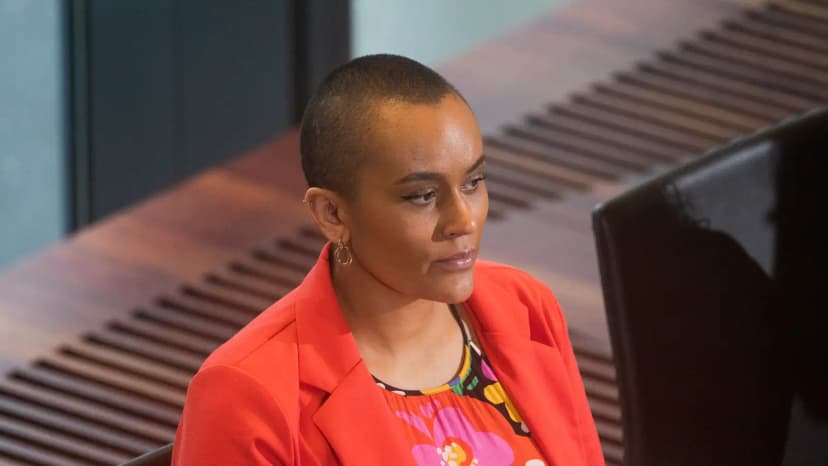
Icelandic Political Parties VG and Vor til vinstri Form New Alliance 'Vinstrið'
The Left-Green Movement (VG) and Vor til vinstri have formed a joint political alliance named 'Vinstrið' (The Left), with Sanna Magdalena Mörtudóttir as its leader.
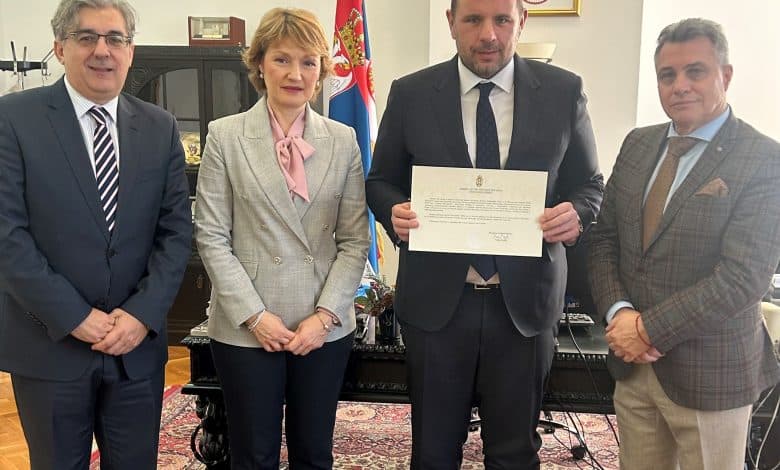
Macedonian Parties Clash Over Serbian Consul Appointment
Macedonian political parties SDSM and VMRO-DPMNE are in a new dispute over the appointment of a Macedonian consul to Serbia, with SDSM criticizing the choice of a high-ranking SNS official involved in arms affairs and controversial statements, while VMRO-DPMNE sees no issue.
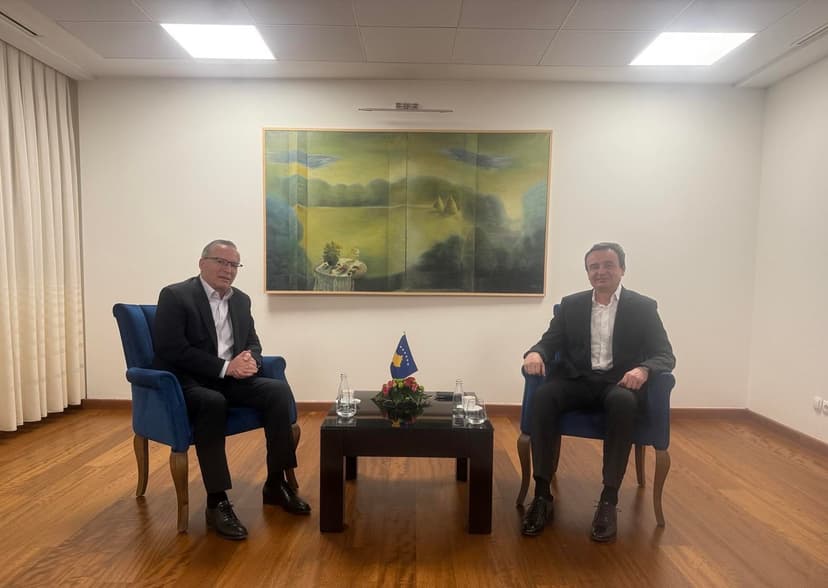
Kosovo President Election: Kurti Meets Political Leaders
Albin Kurti has begun meetings with leaders of political parties in Kosovo to discuss the election of a new president, with only 10 days remaining until the constitutional deadline.
Parties to Scrutinize Voters' List for Deletions
Political parties are set to scrutinize the voters' list to address any doubts or concerns regarding deletions, particularly those related to SIR.

Anonymous Fénix Hackers Arrested for Cyberattacks on Public Institutions
Four main hackers from the group 'Anonymous Fénix' have been arrested for executing cyberattacks against Spanish ministries, political parties, and public institutions, with activity peaking after a natural disaster.

Malta Government Silent on Halland Hotel Fiasco, Opposition Demands Clarification
Malta's Nationalist Party has called on the government to clarify and resolve the ambiguity surrounding the Halland hotel fiasco, following days of silence from major political parties.
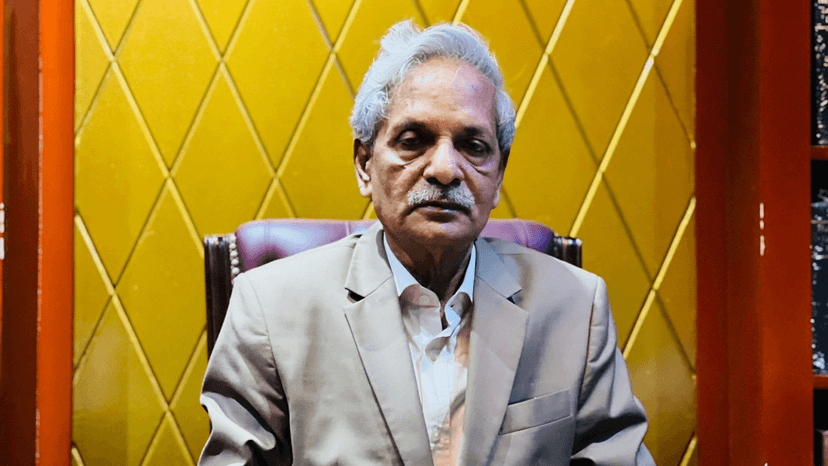
Bangladesh Culture Minister Highlights Importance of Hindus in Politics
Bangladesh's Culture Minister states that most political parties now recognize the significance of Hindus in the country's political landscape.
BBC Debate for Gorton and Denton By-election Candidates
Candidates from five political parties participated in a BBC debate for the Gorton and Denton by-election, discussing various issues.
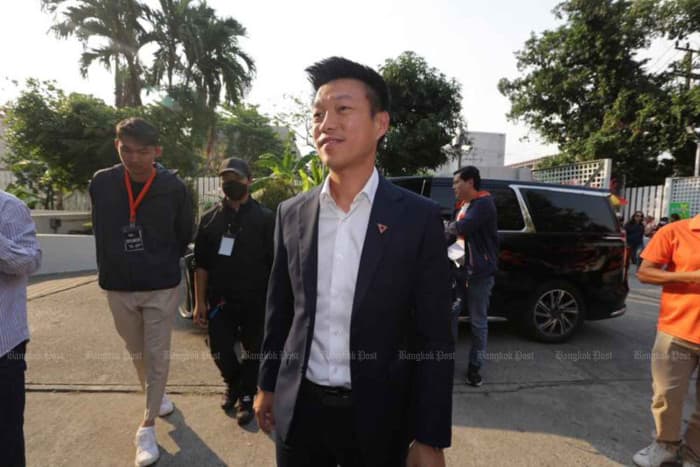
Thai Political Parties Vie for Government Formation
The People's Party is open to the Klatham Party joining the opposition bloc, while the Klatham Party has confirmed its full support for the Bhumjaithai Party in forming a new government.