
Trial Begins for Thaçi and Others Accused of Obstructing Justice at The Hague
Opening statements are set to begin at the Kosovo Specialist Chambers in The Hague for Hashim Thaçi, Bashkim Smakaj, Isni Kilaj, Fadil Fazliu, and Hajredin Kuçi, who are accused of obstructing justice.

French Firms Employ 33,000 in South Korea, Led by Luxury Sector
A report by the French-Korea Chamber of Commerce and Industry reveals that French companies employ approximately 33,000 people in South Korea, with the luxury sector being a significant contributor to France's economic footprint in the country.

Belgian Constitutional Court Reform Bill Rejected
The Belgian Chamber of Representatives rejected a special bill aimed at reforming the conditions for appointing judges to the Constitutional Court, failing to secure the required two-thirds majority.
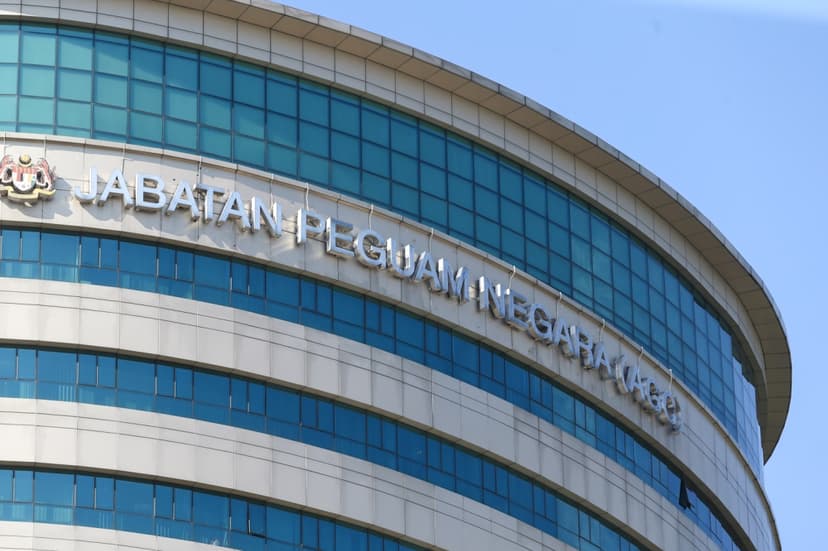
Investigation into Alleged Detainee Torture Handed to AGC
Investigation papers concerning the alleged torture of a detainee at the Bandar Kinrara police station, initially investigated for minor hurt, have been handed over to the Attorney General's Chambers (AGC).
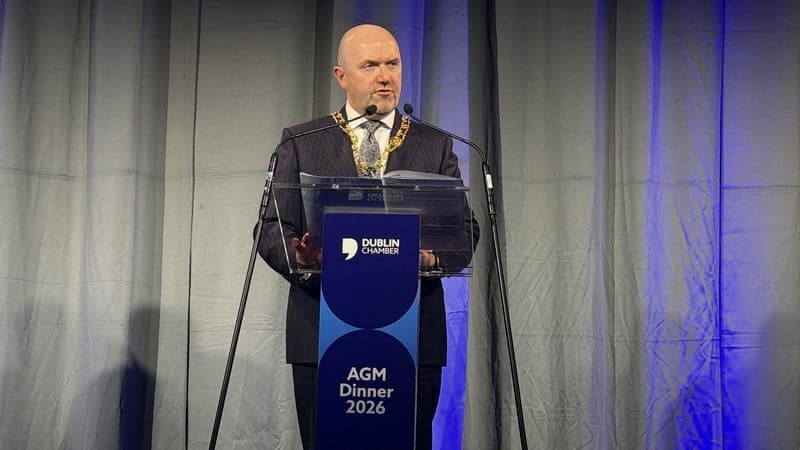
Dublin Chamber Emphasizes MetroLink as Essential for Capital's Future
The Dublin Chamber has stated that the development of the MetroLink is crucial for Dublin's future growth, also viewing data centers as an opportunity rather than a constraint.

Backstage Update On Possible WWE WrestleMania Plans For Jacob Fatu
A new report suggests that there could be major plans for Jacob Fatu come WrestleMania 42, despite him not being featured at Saturday's Elimination Chamber.

Belgian PM Bart De Wever Apologizes for 'Imbécile' Remark in Parliament
Belgian Prime Minister Bart De Wever expressed exasperation and used the word 'imbécile' in the Chamber, later retracting and apologizing for his remark.

Algimanta Pabedinskienė elected Chairwoman of Lithuanian Chamber of Agriculture
Algimanta Pabedinskienė, chairwoman of the Lithuanian Farmers' Society and former Minister of Social Security and Labor, has been elected as the new chairwoman of the Chamber of Agriculture for a five-year term.

Finn Balor is sick and tired of hearing your what-ifs
Finn Balor challenges for the WWE World Heavyweight Championship this Saturday at Elimination Chamber — nearly 10 years after his career-changing injury.
China's Jewelry Sales Surge 33.4% During Spring Festival Holiday
China's jewelry sales experienced a significant daily surge of 33.4% during the recent Spring Festival holiday, according to the chamber of commerce.

Cody Rhodes Is Looking Forward To Facing Former WWE NXT Star
Former WWE world champion Cody Rhodes will be striving to win the Elimination Chamber match, but he's also eager to face off against a fellow competitor.

Disabled Activist Aliya Rahman Denies Intent to Disrupt State of the Union
Aliya Rahman, a disabled activist and guest of Representative Ilhan Omar, stated she did not intend to disrupt the State of the Union address after her arrest at the US House chamber.

Play "Do You Remember Dolly Bell" Tonight at Chamber Theatre 55
Tonight at 8 PM at Chamber Theatre 55, you can watch the play "Do You Remember Dolly Bell," based on the text by Abdulah Sidran, directed by Kokan Mladenović.

AmCham and US Embassy Launch 'Freedom 250' Initiative in Korea
The American Chamber of Commerce in Korea and the US Embassy in Seoul have partnered to launch 'Freedom 250,' a yearlong initiative celebrating the 250th anniversary of the United States.

Nattie Comments On WWE Raw EC Qualifier, Reveals What She Told Bayley After The Match
Nattie commented on her Elimination Chamber qualifier match on "WWE Raw" against Asuka and Bayley, and revealed what she told Bayley following the bout.

From LinkedIn to the Elimination Chamber, Kiana James' WWE rise is full of surprises
Kiana James' first WWE Elimination Chamber match comes amid a sudden rise and a string of breakthrough performances.

Slovenian Political Parties Debate Economic Growth and Taxation
Slovenian political parties engaged in a debate hosted by the Chamber of Commerce and Industry, discussing solutions to declining economic growth, including proposals for lower taxes, wealth tax, development funds, or a development cap.
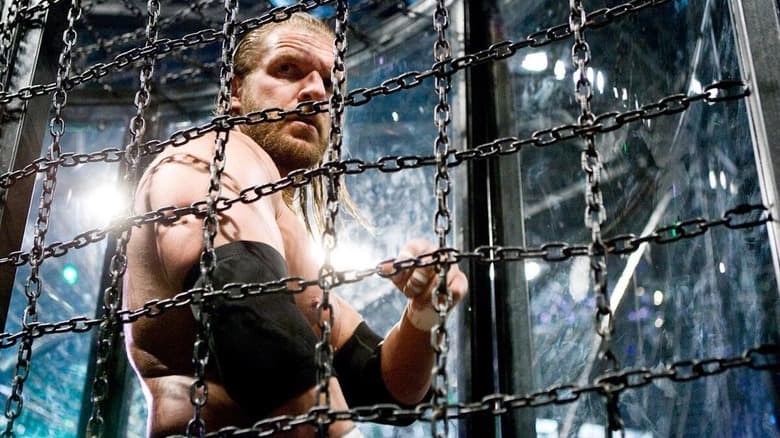
WINC Watchlist: Best WWE Elimination Chamber Matches
From the original six-man spectacles to the new era, here are WINC's favorite instances of the eponymous match to get you ready for Elimination Chamber 2026!
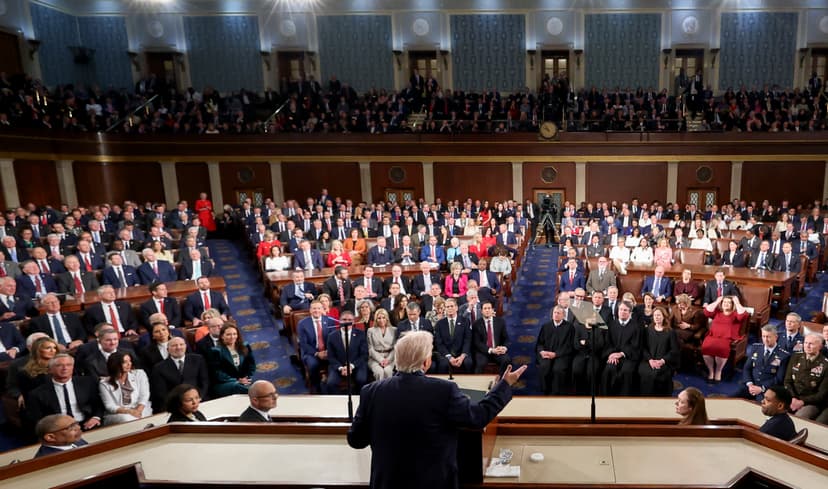
Culturedanasdeadline1d ago2 sources Inside The Chamber: Donald Trump’s Marathon Of A State Of The Union Went Long With Showmanship Tributes, But Fell Short On Cohesion — Analysis
As journalists settled in to their gallery workplaces above the rostrum in the House of Representatives chamber, there was some chat, and maybe a few bets, as to how long Donald Trump would go in his

Dial shows how voters reacted to Trump criticizing Democrats for partial government shutdown
A live poll showed a stark partisan divide as voters reacted to President Donald Trump’s State of the Union comments about the government shutdown.
Exclusive: China emerges as key innovation, advanced manufacturing hub for German firms, German chamber representative says during Chancellor's visit - Global Times
Exclusive: China emerges as key innovation, advanced manufacturing hub for German firms, German chamber representative says during Chancellor's visit Global Times

Ukrainian Doctors Bolster Czech Healthcare System
Approximately 1,400 Ukrainian doctors are working in the Czech Republic, with the Czech Medical Chamber stating they are crucial for saving healthcare in some regions. Anna Bohomazova, a 30-year-old doctor from western Ukraine, is highlighted as one of those successfully practicing in the country.

Brabant Killers investigation judge maintained
The Mons Indictment Chamber decided to keep Judge Martine Michel in charge of the investigation into the Brabant Killers case, affirming the inquiry is being conducted correctly.

Croatian Social Workers Announce 'White Strike'
The Croatian Chamber of Social Workers has supported professional workers from former social welfare centers who announced a 'white strike' due to unsustainable working conditions, emphasizing that the current system is no longer viable.

Austrian Chamber of Commerce Forecasts Export Turnaround
The Austrian Chamber of Commerce anticipates a positive shift in export trends, signaling a potential recovery or growth period for the country's international trade.

I went to Trump's State of the Union. This was the moment when the room's mood shifted.
After the speech, lawmakers and journalists flock to Statuary Hall, just feet from the House chamber.
Bryan Metzger
President Donald Trump delivered his State of the Union address on Tuesday night.
R

PoliticsNYTThe GuardianFox News+1The Independent2d ago4 sources Trump news at a glance: president to address Congress as new global tariffs take effect
Some Democratic lawmakers plan to boycott Trump’s speech, which president has signaled will run long – key US politics stories from Tuesday, 24 February at a glance
Donald Trump is set to deliver the

Offset Makes WWE Debut As His Hit Single ‘Bodies’ Becomes New Elimination Chamber Theme Song
The rapper is the latest hip-hop star to enter the wrestling world.
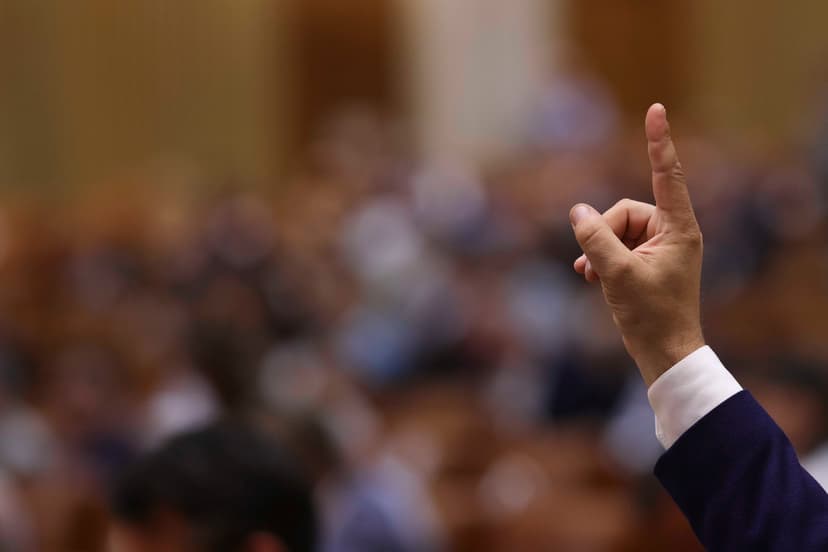
Romanian Parliament to Elect New Ombudsman on March 10
The joint plenum of the Chamber of Deputies and the Senate will convene on March 10 at 13:00 to vote for a new Ombudsman, as well as several members of the National Council for Combating Discrimination and a counselor at the Court of Accounts.

Ghanaian Team Excels at International Chamber of Commerce Mediation Competition
The University of Ghana Law School Mediation Team made a notable debut as Ghana’s first representative at the International Chamber of Commerce International Mediation Competition, achieving an impressive performance.
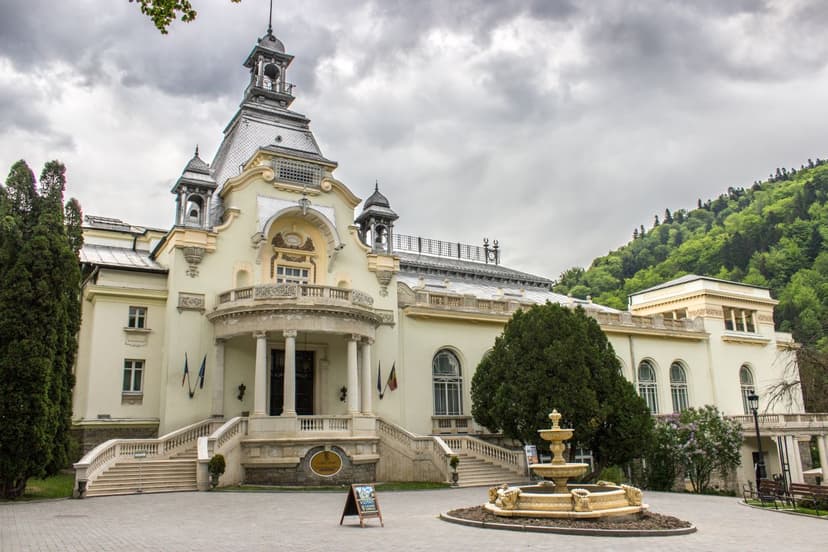
SoNoRo Conac Chamber Music Tour Returns to Romanian Heritage Buildings
The SoNoRo Conac chamber music tour is set to return, bringing musical performances to historic heritage buildings across Romania.

District 3 boys basketball: Wilson falls to Chambersburg in 6A consolation semifinals
Grayson Kegerreis scored 17 points to lead Chambersburg to a 51-46 win over Wilson in a District 3 Class 6A boys basketball consolation semifinal game on Monday in West Lawn. The Bulldogs (16-10) will

Jey Uso & Raquel Rodriguez Win Final WWE Elimination Chamber Qualifiers On Raw
The Elimination Chamber PLE will be live from Chicago, Illinois on Saturday, February 28.

COA targets US$10m in investments for blue food sector through innovation hub
The Chamber of Aquaculture (COA) Ghana says it is targeting about $10million in investments for businesses in the blue food sector through the establishment of it Blue food innovation hub in ten years. The hub is expected to serve as a platform for research, skills development, entrepreneurship, and the adoption of new technologies across the […]
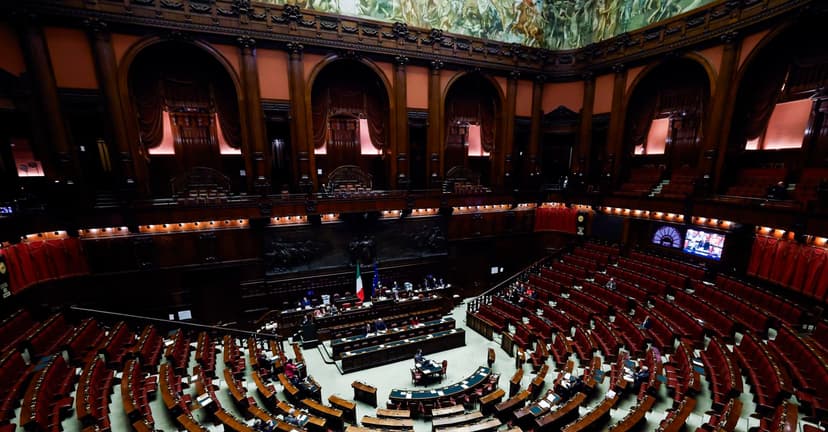
Italian Chamber of Deputies Approves Milleproroghe Decree Confidence Vote
The Italian Chamber of Deputies has approved the government's confidence vote on the Milleproroghe decree with 177 votes in favor, 93 against, and 3 abstentions.
First-Instance Verdict Expected in Hashim Thaçi and KLA Members Trial in The Hague
A first-instance verdict is soon expected in the trial of Hashim Thaçi and other Kosovo Liberation Army (KLA) members before the Kosovo Specialist Chambers in The Hague, though it will not be final as appeals are available.

Luxembourg Debates Combating Organized Begging with Animals
The Luxembourg Chamber of Deputies is debating a petition by Tiago Jorge Rodrigues De Oliveira to strengthen the protection of animals used in organized begging.

Nicosia seminar to analyse Cyprus tourist spending patterns
The Cyprus Chamber of Commerce and Industry (Keve) and Visa have announced that they will hold an information event in Nicosia titled ‘Cyprus Tourism Trends – Through the Lens of Visa‘. The event is organised by the Cyprus Chamber of Commerce and Industry in collaboration with Visa and is addressed to all interested parties and […]

Romanian Ambassador to Italy Honored at Brâncuși Exhibition Opening
Gabriela Dancău, the Romanian Ambassador to Italy, was awarded the Medal of the Italian Chamber of Deputies during the inauguration of an exhibition dedicated to Brâncuși at the Mercati di Traiano in Rome.
BAT-IG applauds Olanipekun’s chambers global 2026 distinction - The Guardian Nigeria News
BAT-IG applauds Olanipekun’s chambers global 2026 distinction The Guardian Nigeria News

Chamber Opera's 'Carmen' Praised for Intimate Performance in Tjarnarbíó
The Chamber Opera's production of Bizet's 'Carmen' at Tjarnarbíó is receiving acclaim for its intimate staging, strong singing, and excellent instrumental performances, focusing on the core themes of love and jealousy.
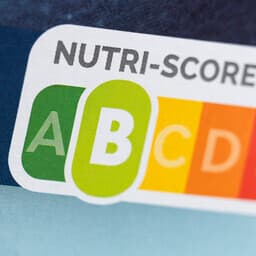
Estonia Considers New Voluntary Food Labeling System
Estonia is exploring the implementation of a new voluntary food labeling system designed to encourage healthier eating choices, though the Chamber of Agriculture and Commerce expresses concerns about added business pressure.

East German Business Representatives Open to Dialogue with AfD
While the Association of Family Businesses faced criticism for engaging with AfD representatives, regional Chambers of Industry and Commerce in East Germany have long held such discussions, stating they must address relevant issues.
Deborah Chambers on Judge Ema Aitken Case and Civic Culture
Deborah Chambers discusses the implications of the Judge Ema Aitken case for New Zealand's civic culture.

Enugu Chamber of Commerce Exhibition Hall Inaugurated After Decades of Abandonment
Governor Mbah has inaugurated an exhibition hall within the Enugu International Trade Fair Complex, which had been abandoned for decades, as part of efforts to transform the complex.
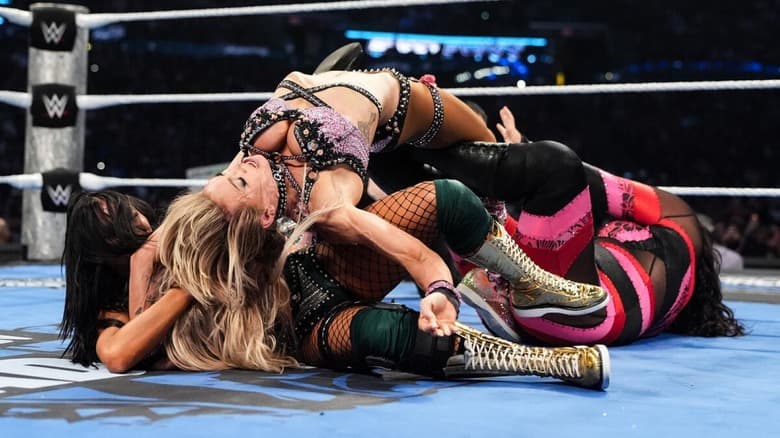
WWE SmackDown 2/20/2026: 3 Things We Hated And 3 Things We Loved
On a night that saw more Elimination Chamber qualifiers, here are three things we hated and three things we loved about the 2/20/26 episode of "WWE SmackDown!"

Oxlade-Chamberlain Must Start: Predicted 4-3-3 Celtic Lineup to Face Hibernian
Following a 1-4 thrashing by VfB Stuttgart, Celtic is predicted to start Oxlade-Chamberlain in a 4-3-3 lineup against Hibernian.
New Think Tank Emerges in Estonia to Offer Fresh Political Ideas
Tallinn University political scientist Ott Lumi announced the launch of the Chamber of Principle, a new think tank aiming to provide fresh ideas to Estonia's political sphere, which he described as overly technocratic.

Belgian Finance Ministry Orchestra with Five Full-Time Equivalents Sparks Controversy
A controversy has arisen in the Belgian Chamber of Representatives over the Ministry of Finance's orchestra, which reportedly employs the equivalent of five full-time staff members.
Parliamentarians’ attendance
REPORTS on the attendance of parliamentarians during sessions almost invariably evoke much interest among citizens. Although the average attendance in the National Assembly has been hovering around 60 per cent for the last many years and the citizenry seems to have made its peace with that, there are statistics which sometimes shock the people. For example, a Fafen report on parliamentarians’ attendance during the 23rd National Assembly session held from Jan 12 to Jan 22 this year indicates that 47 or 14pc members remained absent throughout the session and didn’t attend even a single sitting; 276 or 83pc of the total 332 members skipped at least one session. Similar statistics about the 22nd session indicate that about 70pc of the absent members didn’t seek prior leave from the House.
The system of taking attendance is such that a person marked present might not have been there throughout the sitting and his/her presence for even a fraction of the sitting may be marked as present. Given the fact that the average duration of a sitting ranges from two to three hours (it was two hours during the first year of the present National Assembly), a member attending the sitting may have been present only for a few minutes.
The absence of members from a sitting significantly impacts parliamentary proceedings. Our parliamentary system requires the presence of at least 25pc of the total members which constitutes the quorum. The Assembly proceedings are stopped after a member points out a lack of quorum and the subsequent head count confirms that the minimum required members are not present. A Pildat report indicates that during the past (15th) National Assembly, lack of quorum was pointed out in 105 (23pc) of sittings, and subsequently, 72 or 16pc of the sittings had to be adjourned on this basis. The abrupt termination of a day’s proceedings impacts the productivity of the Assembly as the day’s agenda (order of the day) is left incomplete. During the five years of the 15th National Assembly, on average, less than 50pc (49.47pc to be exact) of the agenda items could be taken up by the Assembly.
Ministers’ absence also impacts the quality of proceedings and some of the agenda items have to be deferred because the relevant minister is not present. During the 23rd session of the current Assembly, for example, 29 federal ministers were supposed to answer members’ questions but a majority (19) of them did not show up on the day allocated for answering questions relating to their ministries. In most cases, the absence of the minister concerned deprives members of the opportunity to ask supplementary questions. Similarly, adjournment motions, privilege motions and call-attention notices also require the presence of the minister concerned. The Speaker has repeatedly expressed displeasure at the frequent absence of ministers. Sometimes, ministers of state and parliamentary secretaries do not show up either to fill in for the minister concerned.
Pakistan’s parliament is not the only one which faces issues of low attendance.
Ministers generally take their cue from the prime minister and they are more likely to show up in the House if the PM is particular about his presence. During the life of the 15th Assembly, the attendance of the PM was a mere 13pc (11pc for Imran Khan and 17pc for Shehbaz Sharif).
The attendance becomes more known through the media in the case of plenary sittings but the status of attendance is no different in the case of parliamentary committees. Many meetings are adjourned by the chair because the minister concerned and senior officials of the ministry do not show up at the meeting, leading to a wastage of financial resources spent on convening the meetings.
However, one may add that Pakistan’s parliament is not the only one which faces issues of low attendance. Many parliaments face a similar situation and a number of parliaments have waived the condition of the presence of a minimum percentage of members for the validity of the proceedings. For example, the UK parliament and US Congress do not have a quorum requirement. The proceedings of the legislatures continue in these countries even if a single member is present in the House. In the case of the UK parliament, many parliamentary committees hold their meetings concurrently with the plenary. The proceedings of the plenary are watched by the members on CCTV while sitting in their offices or in meeting rooms. Members’ presence is required when a motion or a bill has to be voted on. Bells are rung at that time and members available within parliamentary precincts rush to the chamber to vote. The absence of a member from the precincts during the time of the plenary is, however, rare and frowned upon.
A major reason for our legislators to be casual about their presence during the Assembly sittings has a lot to do with the preferences of a majority of their voters. Most voters are not so keen about their legislators’ performance in the Assembly. A member who works very hard on his parliamentary speeches and, for example, scrutiny of the annual budget, is seldom appreciated by the constituents. People want their elected representatives to attend to their personal issues, which need an influential legislator’s support for resolution due to poor governance. Finding jobs for constituents and their family members is one of the top expectations from legislators. Interceding with the local administration and police on behalf of the constituents to sort out their day-to-day problems is also among the informal responsibilities of legislators. Attending the weddings and funerals of voters’ extended families, too, is a strong preference of constituents. These informal chores are likely to be of greater help to a legislator in his re-election than making a speech in the House. The weak attendance of legislators is, therefore, not because of their lethargy. Instead, it is a reflection of the ground realities of our own governance and culture.
The writer is president of the Pakistan-based think tank Pildat.
X: @ABMPildat
Published in Dawn, February 20th, 2026
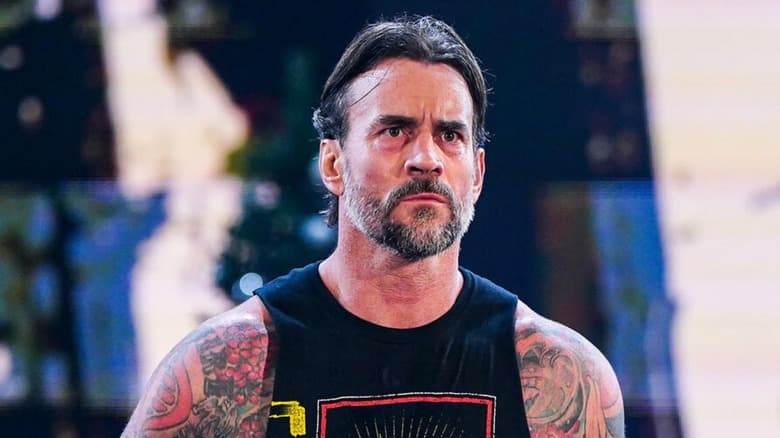
Speculation Surrounds CM Punk Losing World Title Match at WWE Elimination Chamber
Reports suggest a strong possibility of Finn Balor winning the World Heavyweight Championship at WWE Elimination Chamber, leading to speculation about CM Punk's potential loss.

FACT CHECK: Sandro Marcos remains House majority leader; no SC ruling against him
The post offers no evidence for its claim. The official House website continues to list the younger Marcos as the chamber's majority leader.

Reps pass Electoral Amendment Act Bill amidst rowdy session
Amid the rowdiness, the opposition lawmakers, out of frustration, staged a walkout of the chamber in protest, chanting “APC, Ole.”
The post Reps pass Electoral Amendment Act Bill amidst rowdy session appeared first on Premium Times Nigeria.
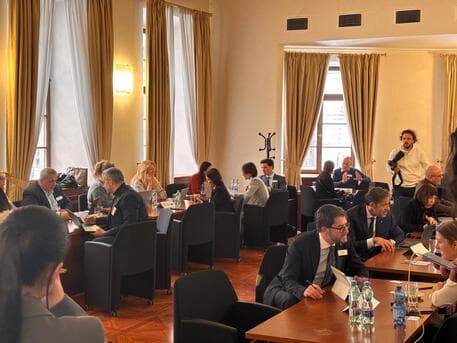
Tourism workshop in Prague on Sardinia, 'island of wonders'
(ANSA) - ROMA, 17 FEB - In Prague, the fourth European tourism workshop, which ends today, was dedicated to the island of wonders, Sardinia, with a focus on Grazia Deledda. For two days, in collaboration with the Autonomous Region of Sardinia and with the support of the Italian Embassy in Prague, the Italian Cultural Institute, and the Italian-Czech Chamber of Commerce and Industry, the focus was on promoting tourism on the island. Twenty-five Sardinian operators participated in B2B sessions with around thirty industry representatives from Bulgaria, Denmark, Poland, the Czech Republic, Romania, and Sweden. The discussion focused on sustainable, multi-theme travel with new seasons. Particular attention was paid to the need to offer international users alternatives to mass tourism, through themed trips linked to wellness, sport, culture, food and wine, and popular traditions. This objective is also facilitated by direct connections between Prague and the airports of Cagliari and Olbia. Furthermore, on the centenary of Grazia Deledda's Nobel Prize, the European workshop combined the business aspect with a cultural event dedicated to the writer from Nuoro, the first and only Italian woman to have won the Swedish Academy's highest literary award, with a themed evening held in the Boccaccio theater of the Grand Hotel Bohemia, where Italian chef Riccardo Lucque presented food and wine delicacies inspired by Deledda's work. The event, opened by a greeting from Italian Ambassador Alessandro Gaudiano, featured a speech by Neria De Giovanni, essayist and literary critic, who spoke about the life and work of the author, of whom she is one of the world's leading experts. Among the tributes of the evening were the presentation of the Czech and English translations of Marianna Sirca's monologue from 'Donne di Grazia' (Women of Grace), a short theatrical tribute by the famous Czech actress Lenka Termerova, and the performance of several pieces for transverse flute by Elisa Ceravola, who also accompanied the screening of a silent film on Deledda's itineraries made available by the Società Umanitaria di Cagliari.
Read article...

WWE Raw Results 2/16 - CM Punk, AJ Lee & Liv Morgan All Appear, Triple Threat Qualifiers For Elimination Chamber
This is Wrestling Inc.'s coverage for "WWE Raw" on February 16, with appearances from World Heavyweight Champion CM Punk, AJ Lee & Liv Morgan of Judgment Day!

Garner added to Dublin show alongside Chamberlain
Former British and European super-featherweight champion Ryan Garner returns to action on 14 March with his next fight set to take place in Dublin.

Paul Giamatti Teases Potential Return As Star Trek: Starfleet Academy Villain Nus Braka
Paul Giamatti appeared on The D-Con Chamber and revealed whether Nus Braka could return in future seasons of Star Trek: Starfleet Academy.
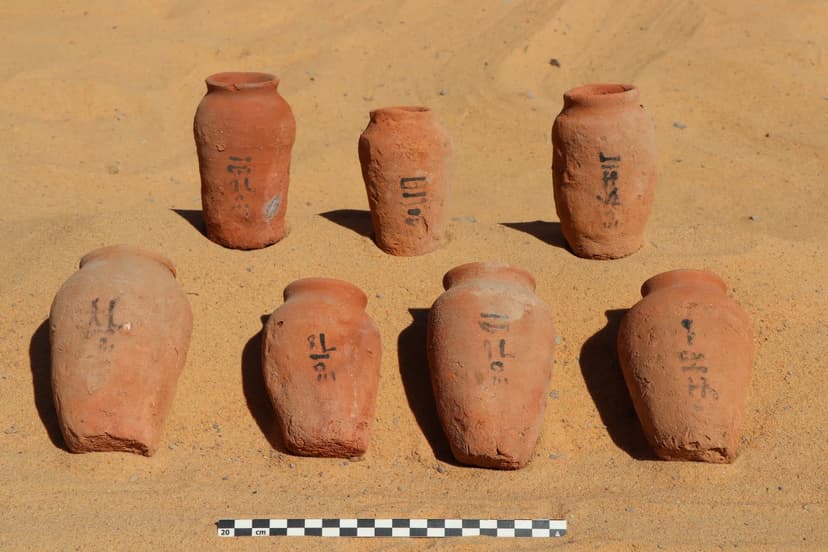
‘Secrets of ancient Egypt’: Old Kingdom tombs, artifacts discovered on Nile's west bank
The tombs, discovered in the Qubbet el-Hawa site, were complete with shafts and burial chambers.
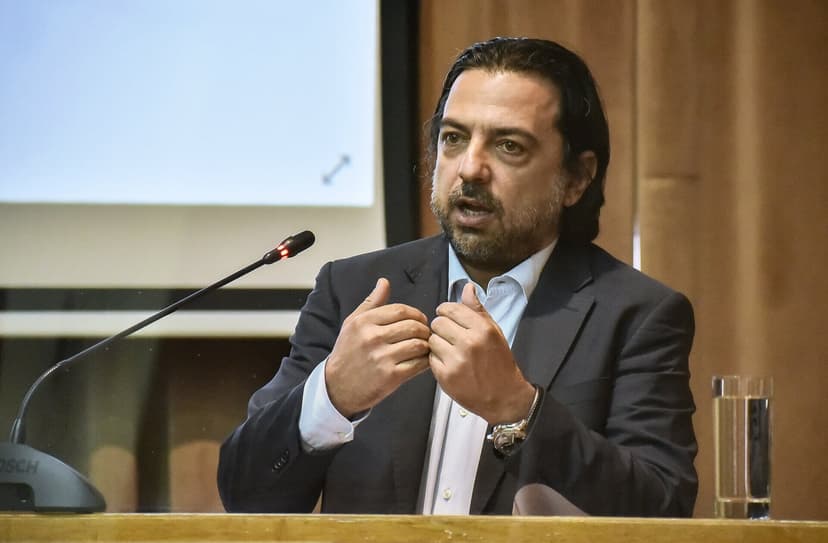
Hellenic Chamber of Shipping Advocates for Patras Port Upgrade
The Hellenic Chamber of Shipping, led by George Alexandratos, is pushing for a strategic upgrade of the Port of Patras to boost the competitiveness of the Greek economy.
Slovenian Agricultural and Food Sector Calls for Investment and Reforms
The Chamber of Agricultural and Food Enterprises in Slovenia is advocating for increased investments in the agriculture and food industry, alongside support for research and innovation. These measures are deemed essential to address challenges and implement reforms for food security.
Italian Center-Right Proposes Electoral Reform Amid Opposition Criticism
Italy's center-right majority has deposited a new electoral reform text in the Chamber, aiming for approval by summer. The proposal, which includes proportional representation and a majority bonus, faces criticism from the opposition and constitutional concerns, with some experts warning of unconstitutionality.
Montenegrin Notaries Report No Suspicions of Usury
The president of the Montenegrin notaries' chamber stated that no notary has yet reported suspicions of usury to the authorities, noting that there are no specific indicators to warn notaries about potential usury elements in legal transactions.
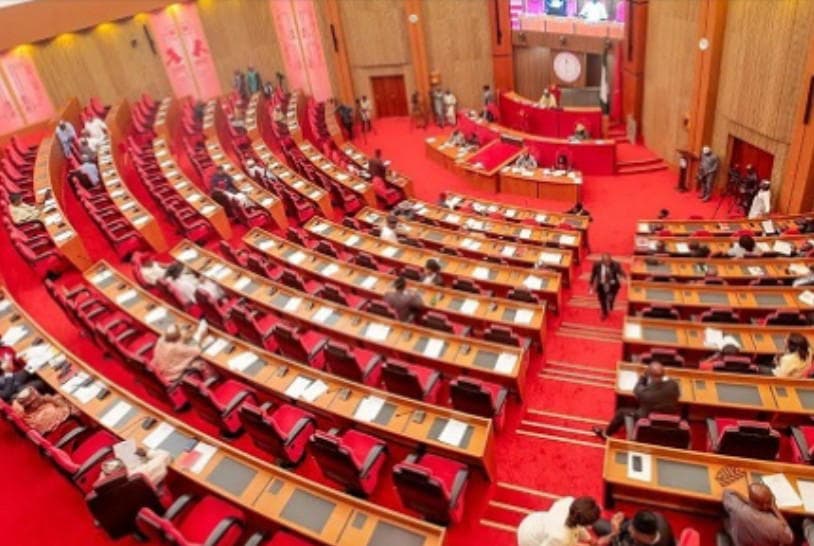
Senate urges FG to revert to old contractor payment system, replace envelope budgeting
By Henry Umoru, Abuja The Nigerian Senate has directed the Federal Government to return to the old payment system for contractors, citing delays and unpaid obligations under the current centralized system that have left many contractors owed for projects executed in 2024 and 2025. The Upper Chamber also called for the replacement of the Envelope […]
The post Senate urges FG to revert to old contractor payment system, replace envelope budgeting appeared first on Vanguard News.
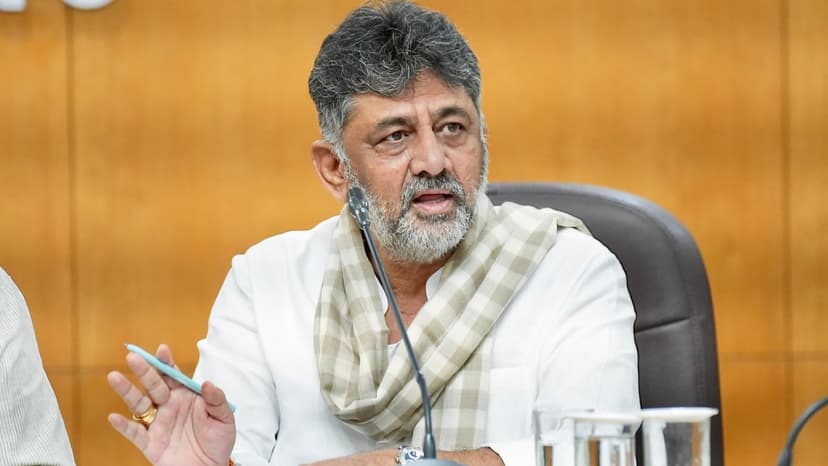
Karnataka Minister Vows to Prevent Bengaluru from Becoming Air Pollution 'Gas Chamber'
Karnataka Environment Minister Eshwar Khandre announced that city legislators will meet soon to address air pollution in Bengaluru, aiming to prevent it from reaching critical levels similar to Delhi.

Uruguay First to Ratify EU-Mercosur Agreement
Uruguay has become the first country to ratify the EU-Mercosur agreement, following approval by its Senate and Chamber of Deputies. Brazil and Argentina are expected to follow suit soon.
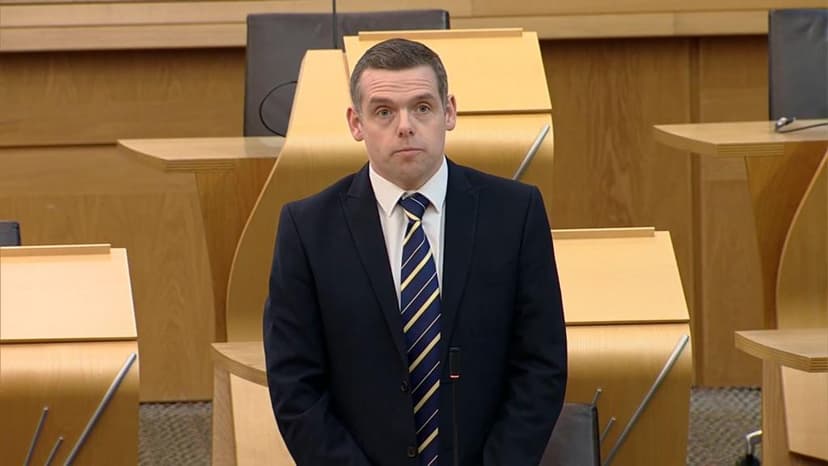
Douglas Ross: My behaviour fell short of what is expected of MSPs
The Tory MSP apologised after refusing to leave the chamber on Tuesday when being ordered to do so by Presiding Officer Alison Johnstone.
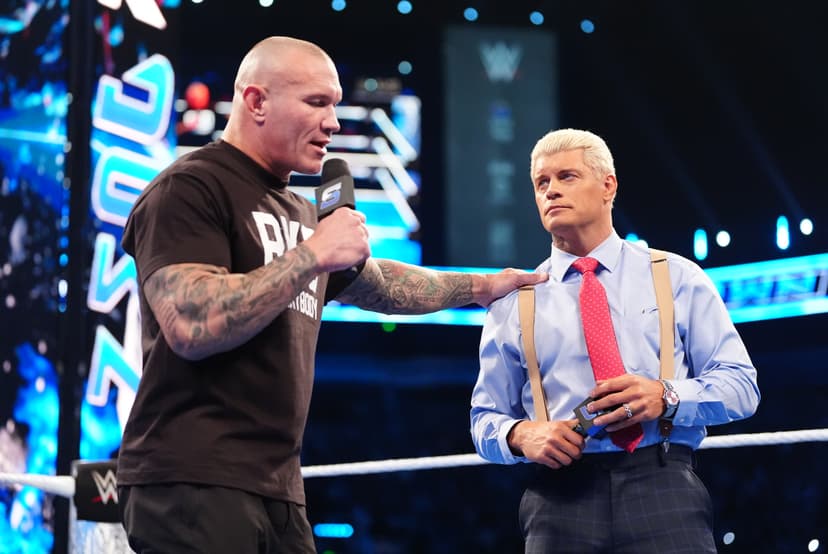
WWE Elimination Chamber: 2026's potential winners, ranked from most likely to least likely
Who will punch their tickets to WrestleMania 42 in WWE's most brutal of gimmick matches?

Piraeus Chamber of Commerce Reports 'Inglorious End' to Winter Sales
The Piraeus Chamber of Commerce and Industry (EBEEP) has reported an 'inglorious end' to the winter sales period, citing reasons for the disappointing performance that failed to curb winter inflation as initially hoped.

Greek Market Faces Shortage of Skilled Labor and AI Professionals
The Greek market is experiencing a significant shortage of human resources, particularly in technical professions and artificial intelligence, according to Giannis Hatzitheodosiou, President of the Athens Chamber of Commerce and Industry.

Digital System Introduced for Court Register Entries in Croatia
The Croatian Chamber of Economy (HJK) has introduced a new digital system, SUD REG 2, to streamline and simplify entries into the court register, making the process faster and more secure.

Andrey Yankulov Cites Unfulfilled Promises in Request to Replace Acting Prosecutor General
In his justification for requesting the replacement of the acting Prosecutor General, Minister Andrey Yankulov refers to the opinion of the Criminal Chamber of the Supreme Court of Cassation, which suggests that after July 21, 2025, Bulgaria will not have a legitimately functioning Prosecutor General.
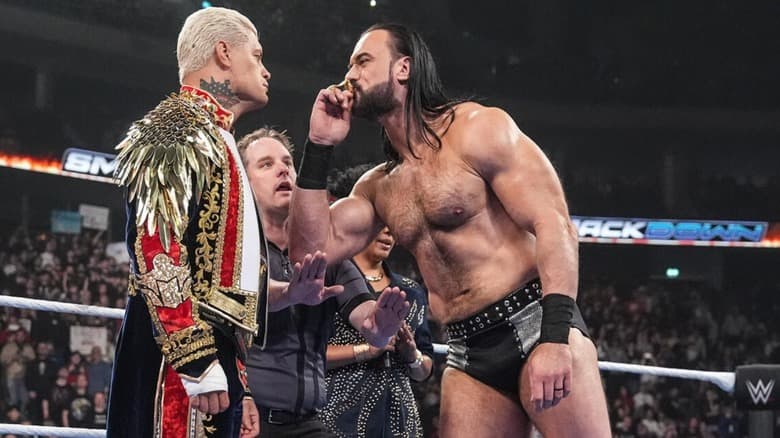
Drew McIntyre On His WWE WrestleMania 42 Opponent: 'Anybody But Cody Rhodes'
Drew McIntyre stated on "Busted Open Radio" ahead of Elimination Chamber he wants to face "anybody but Cody Rhodes" at WrestleMania 42.
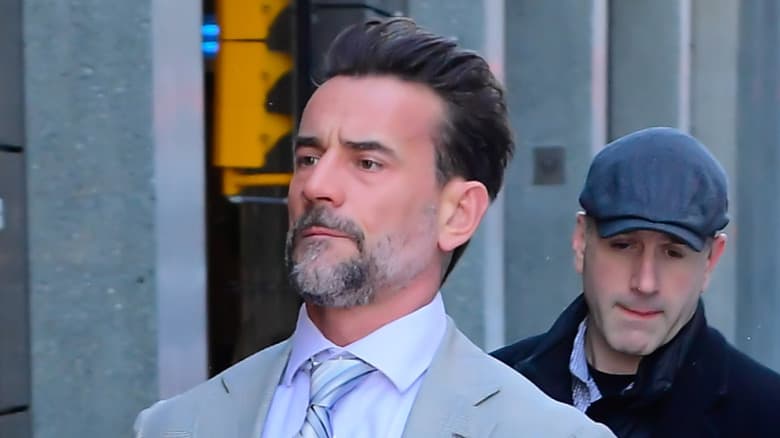
WWE Elimination Chamber Oddsmakers Back CM Punk, AEW Star Favored To Be Inside Crate
Oddsmakers have suggested that a close friend of CM Punk, and a current AEW star, is favored to be the wrestler inside the crate at WWE Elimination Chamber

US-Politexperte Rough analysiert Trumps „State of the Union“

Ghana Police Seize Large Quantity of Cannabis in Oti Region
Ghana Police Service in the Oti Region intercepted a commercial vehicle at the Bonakye checkpoint, retrieving a substantial quantity of suspected cannabis.
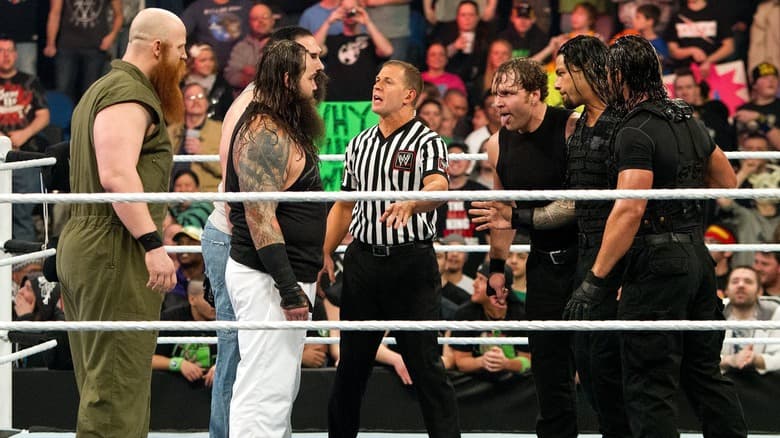
Match Spotlight: The Shield Vs. The Wyatt Family, WWE Elimination Chamber 2014
As WWE Elimination Chamber 2026 edges ever closer, let's look back on the iconic six-man tag from 2014 between The Shield and The Wyatt Family.
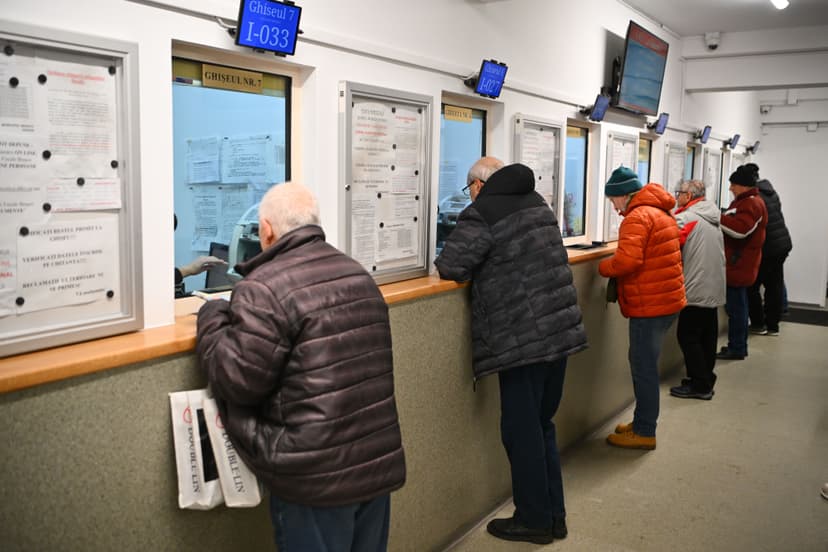
Romanian tax consultants seek clarification on new debt staggering rules
The Chamber of Tax Consultants has requested the Ministry of Finance to clarify the new, unclear rules regarding the staggering of state debts, which are causing confusion in practice.
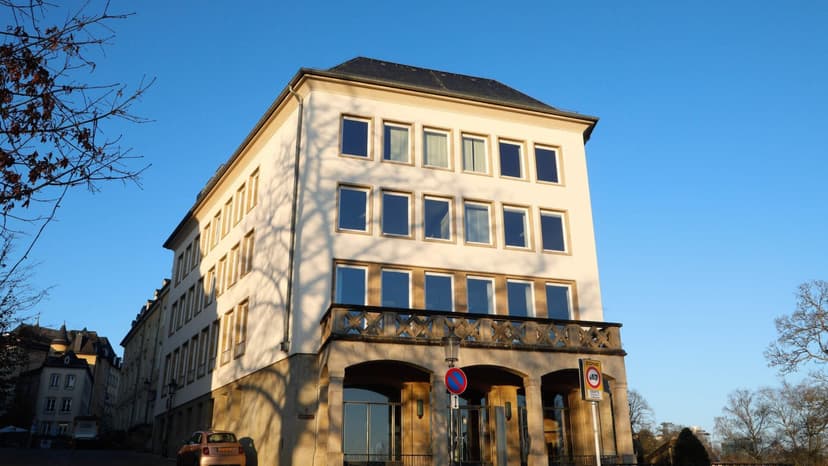
Yves Wagener Resigns from Council of State, LSAP to Nominate Successor
Yves Wagener has resigned from the Council of State for personal reasons. His successor will now be determined by the Chamber of Deputies, with the LSAP party expected to make a nomination.

Egypt Increases Tourist Visa Fee Starting March 1
Tourists visiting Egypt will face a higher visa fee starting March 1, according to an announcement from the Egyptian Chamber of Tourist Companies.
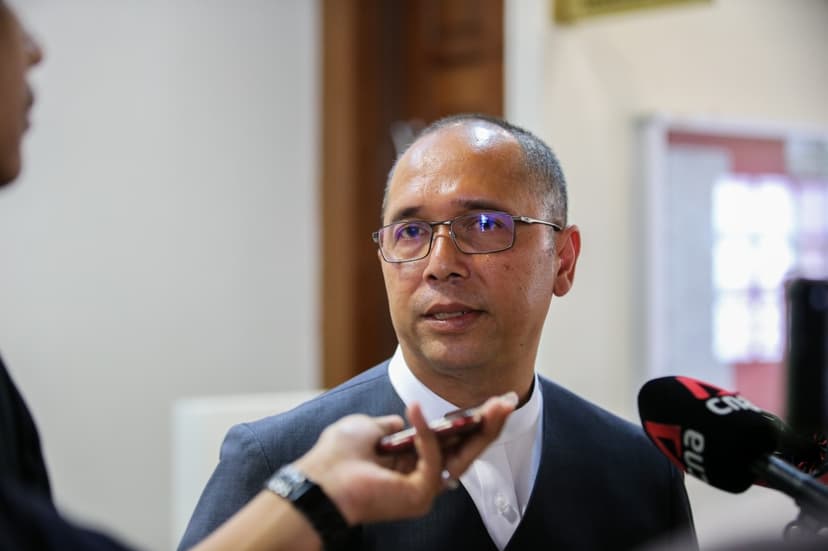
AGC: Lead prosecutor Wan Shaharuddin’s transfer is 'normal practice'
The Attorney-General's Chambers (AGC) stated that the upcoming transfer of lead prosecutor Datuk Wan Shaharuddin Wan Ladin from MACC is 'normal practice' and will not affect his ongoing work.

Austrian Chamber of Commerce Accused of Lobbying Against Sustainability and Favoring Oil Industry
The Austrian Chamber of Commerce is facing criticism for allegedly lobbying against planned sustainability reporting, which has led to significant losses for environmental companies, while simultaneously allowing the mineral oil industry to pay reduced membership fees.
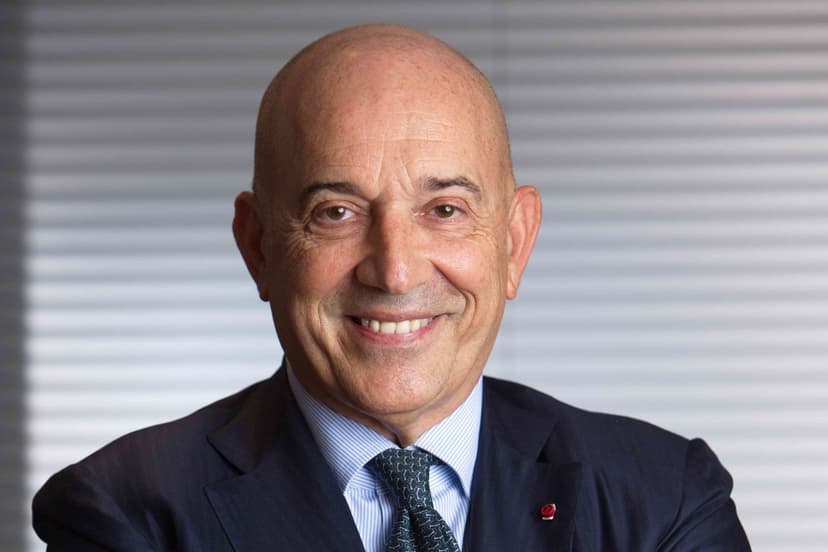
STCW Convention Undergoing Revision with ICS Participation
The STCW Convention of 1978, which sets qualification standards for seafarers, is entering a critical phase of comprehensive revision with the participation of the International Chamber of Shipping (ICS).
Ilmari Hannikainen Piano Chamber Music Competition Begins in Jyväskylä
The Ilmari Hannikainen piano chamber music competition has commenced in Jyväskylä, featuring participants from 31 different nationalities, making it more international than ever.
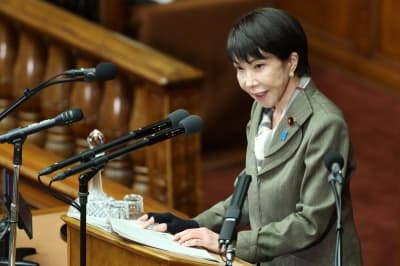
Takaichi Denies Misuse of State Funds for Gift Catalogs to LDP Lawmakers
A Japanese prime minister, in a post on X, stated that no state grants for the LDP were used for gift catalogs distributed to LDP lawmakers in the lower chamber of parliament.
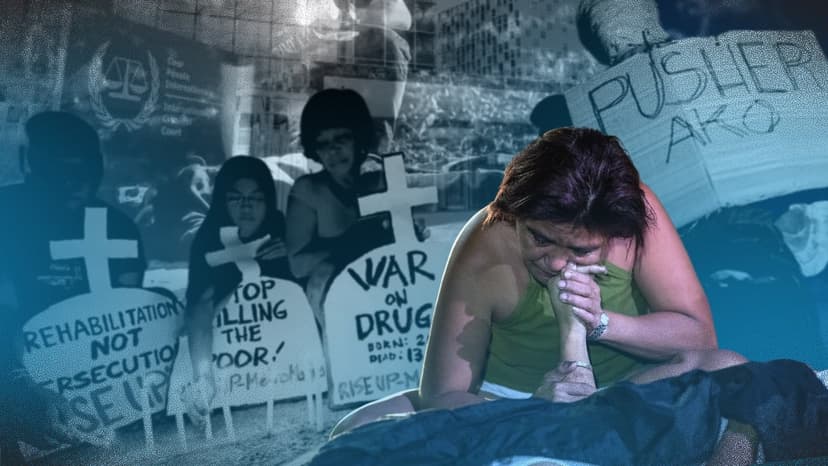
Claim that ICC counted only 78 drug war deaths is false
MANILA, Philippines—As the confirmation of charges hearing against former President Rodrigo Roa Duterte got underway before Pre-Trial Chamber I of the International Criminal Court (ICC) in The Hague,

WWE Survivor Series 2002: Retro 3 Things We Hated And 3 Things We Loved
A look back at the show that gave the world the Elimination Chamber.

Montenegro's ASP Clarifies Arbitration Fee Payment Process
Montenegro's Action for Social Justice (ASP) clarified that arbitration fees are directed to the bank account of the International Chamber of Commerce, which conducts arbitration and mediation procedures.

Cyprus marks 20 years of global treaty protecting seafarers’ rights
Cyprus marked the 20th anniversary of the Maritime Labour Convention (MLC 2006) on Sunday, with the Cyprus Shipping Chamber (CSC) joining global celebrations as the official representative of the isla

Cyprus Wine Buyers Invited to Italy Trade Mission
The Cyprus Chamber of Commerce and Industry is inviting local businesses to join a targeted brokerage event at the upcoming Vinitaly 2026 exhibition in Italy, focusing on the wine sector.

Bronson Reed Appears To Suffer Injury During Elimination Chamber Qualifier On WWE Raw
Bronson Reed appeared to be injured during the Elimination Chamber qualifier match on "WWE Raw" also involving Jey Uso and the original El Grande Americano.
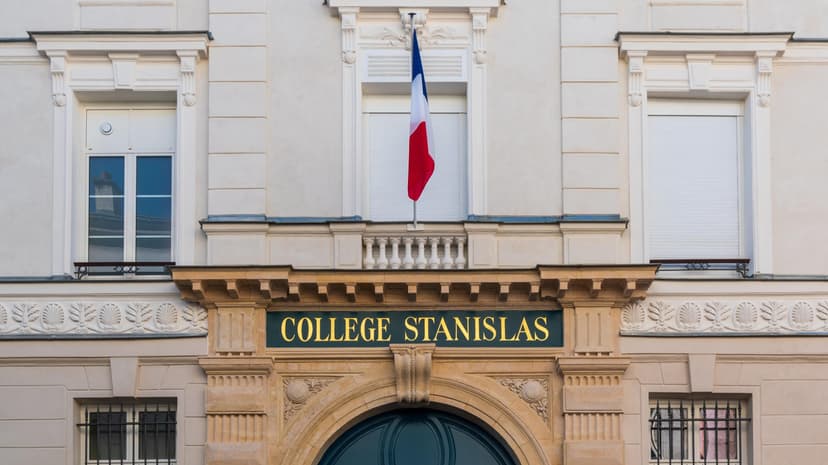
Paris Mayor Pressured to Release Funds for Catholic School
The mayor of Paris's 6th arrondissement is urging the City of Paris to release public subsidies for the Catholic school Collège Stanislas, which have been suspended for two years, leading the school to appeal to the regional audit chamber.

Supreme Court Primary Elections in Poland: 'Neo-Judge' Wins
Judge Mariusz Załucki, a so-called 'neo-judge,' has won the primary elections in the Civil Chamber of the Supreme Court and will be a candidate for the court's first president.
First-Instance Verdict Expected in Thaçi and OVK Case in The Hague
A first-instance verdict is soon expected in the case of 'Specialized Prosecutor v. Hashim Thaçi et al.' before the Kosovo Specialist Chambers in The Hague, though it will not be final as defendants have appeal options.

Icelandic Flight Ticket Prices to Soar by 2028 Due to EU ETS
A report by the Icelandic Chamber of Commerce predicts a significant increase of 10-12 thousand Icelandic krónur in flight ticket prices between Iceland and Europe by 2028, attributed to the implementation of the EU's Emissions Trading System (ETS).

Sportdelfi-ltYahoo4d ago2 sources James Harden Passes Wilt Chamberlain for Most 20-Point NBA Games
James Harden has surpassed NBA legend Wilt Chamberlain to achieve the record for the most 20-point games in NBA history, marking a significant career milestone.

Team’s Up – Schmeichel retains place, Oxlade-Chamberlain starts
Martin O’Neill has named his Celtic team for this afternoon’s Scottish Premiership clash with Hibernian. The Irishman was left disappointed by a poor midweek defeat to Stuttgart in the Europa Leag...

Montenegro Debates Penalties for Unregistered Artisans Amid Conflicting Ministry and Chamber Views
Montenegro's Ministry of Economic Development and the Chamber of Crafts have conflicting views on the establishment of an artisan registry and the implementation of penalties for unregistered craftsmen.

Cyprus Business Now: weekly wrap-up
Here are the top business stories in Cyprus from the week starting February 16 : The Cyprus Chamber of Commerce and Industry (Keve), in partnership with the Eratosthenes Centre of Excellence, will host a high-level forum on June 8, 2026, to explore the integration of space technology and artificial intelligence into the European economy. The […]
Estonia mulls new food labeling system
Estonia is mulling the introduction of a new voluntary system intended to encourage people to make healthier choices, but the Chamber of Agriculture and Commerce believes it puts additional pressure on business.
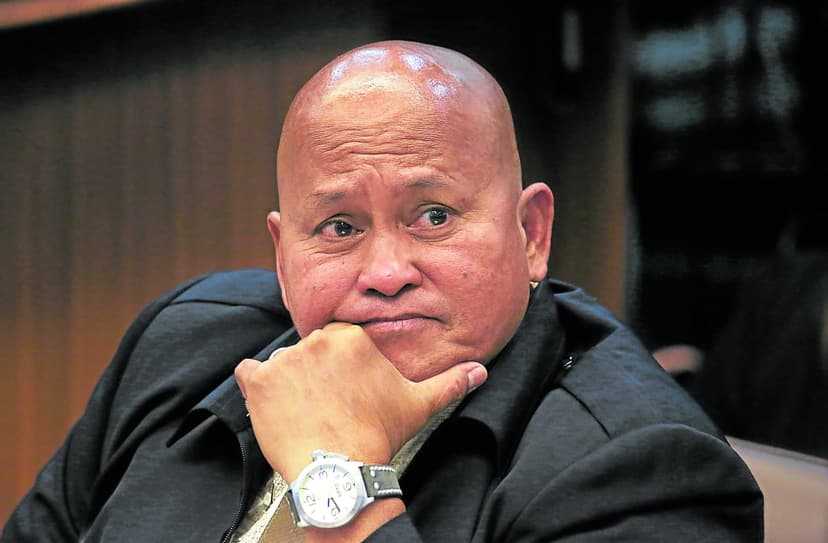
Senate rules review sought after Bato dela Rosa’s long absence
BAGUIO CITY—It is time for the Senate to review its rules on nonattendance, Senate President Pro Tempore Panfilo “Ping” Lacson said amid the monthslong absence of Sen. Ronald “Bato” dela Rosa from the chamber, Dela Rosa may face an ethics complaint over his absence to be filed by former Sen. Antonio Trillanes IV, the latter

Catalan Chamber of Commerce Urges Political Action on Infrastructure
The Catalan Chamber of Commerce is calling for political agreements to address overwhelmed basic infrastructure and human resources.

Celtic TV exclusive with Alex Oxlade-Chamberlain
Celtic are in the midst of a tough schedule at the moment with games every three or four days, and that task is compounded by the fact that four of the next five games are away from home.This weekend ...

Trick Williams and Kiana James Qualify for WWE Elimination Chamber Matches
Trick Williams and Kiana James secured their spots in the upcoming Elimination Chamber matches during a recent episode of WWE SmackDown.

Argentina's Chamber of Deputies Passes Controversial Labor Reform Bill
Argentina's Chamber of Deputies has passed a controversial labor reform bill, which unions have criticized as an attempt by President Javier Milei to weaken worker protections.
New think tank emerges to 'offer fresh ideas to calcified political sphere'
Tallinn University political scientist Ott Lumi told ERR Estonia's governance is overly technocratic, prompting the launch of the Chamber of Principle, an open platform offering ideas to all political parties.

Italian Ambassador Meets Foreign Chambers of Commerce in Ecuador
The Italian Ambassador to Ecuador, Giovanni Davoli, participated in a strategic working breakfast in Quito with various foreign chambers of commerce, organized by the Federati.

FACT CHECK: No ICC ruling allowing Duterte to return to PH wearing location tracker
Duterte remains at the ICC detention center, awaiting pre-trial; the appeals chamber denied his appeal for an interim release in November 2025
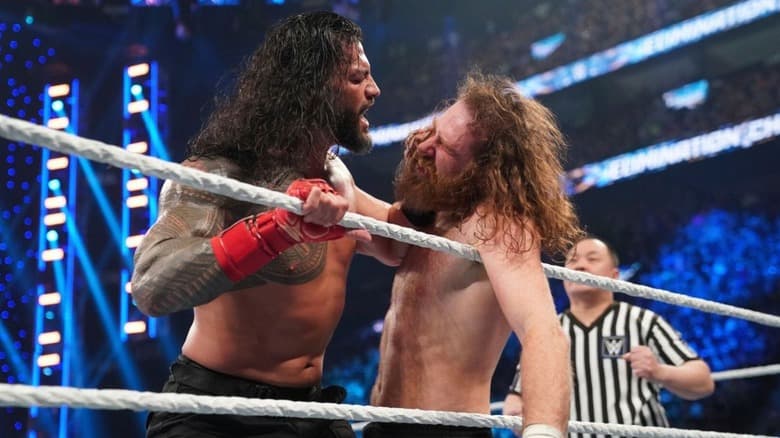
Match Spotlight: Sami Zayn Vs. Roman Reigns, WWE Elimination Chamber 2023
With WWE Elimination Chamber 2026 around the corner, let's shine a spotlight one of the best main events in show's history, Roman Reigns vs Sami Zayn from 2023.

Panics, Politics, & Power: America's 3 Experiments With Central Banks
Panics, Politics, & Power: America's 3 Experiments With Central Banks
Authored by Andrew Moran via The Epoch Times,
The Federal Reserve, established more than a century ago, is the United States’ third experiment with central banking.
For much of its existence, the institution maintained a low public profile.
Only after the 2008 global financial crisis did the Fed begin communicating more openly, introducing post-meeting press conferences and allowing monetary policymakers to engage more frequently with the media.
Greater transparency, however, has brought greater scrutiny.
Public sentiment toward the Fed and its leadership has fluctuated over the years. Today, YouGov polling suggests the central bank is viewed favorably by 44 percent of Americans and unfavorably by 18 percent.
If the Fed pursues a series of reforms, it will have “another great 100 years,” said Kevin Warsh, who was nominated by President Donald Trump to serve as the institution’s next chair.
Comparable to past central banks, Warsh said, the current Federal Reserve System is beginning to lose the consent of the governed.
“You can think about the Jacksonians of prior times say that the central bank seems like they’re trying to focus and they’re all preoccupied with those special interests on the East Coast, and they’ve lost track of what’s happening to us in the center of the country,” Warsh said in a July 2025 interview with the Hoover Institution’s Peter Robinson.
“It’s a version of what worries me today.”
What happened in the past, and why is it relevant to today’s central bank?
The First Bank of the United States
In the aftermath of the American Revolution, the United States faced a series of immense economic disruptions, forcing the nation’s architects to rebuild the economy.
The objective was to lower inflation, restore the value of the nation’s currency, repay war debt, and revive the economy.
Alexander Hamilton, the first secretary of the Treasury under the new Constitution, proposed establishing a national bank modeled on the Bank of England. Hamilton stated that a U.S. version would perform various duties, including issuing paper money, serving as the government’s fiscal agent, and protecting public funds.
Not everyone shared Hamilton’s ebullience over a central bank.
Thomas Jefferson, for example, feared that such an institution would not serve the nation’s best interests. Additionally, Jefferson and other critics argued that the Constitution did not grant the government the authority to create these entities.
Nevertheless, Congress enacted legislation to establish the Bank of the United States. President George Washington then signed the bill in February 1791.
Two of America's founding fathers: Thomas Jefferson (L) and Alexander Hamilton. The White House
While bank officials did not conduct monetary policy as modern central banks do, they did influence the supply of money and credit, as well as interest rates.
The entity managed the money supply by controlling when to redeem or retain state‑bank notes. If it sought to tighten credit, it would require payment in gold or silver, thereby draining state banks’ reserves and limiting their ability to issue new notes. If it wanted to expand credit, it simply held on to those notes, boosting state‑bank reserves and enabling them to lend more.
By 1811, the national bank’s charter expired.
While there had been discussions of allowing it to continue maintaining operations, Congress—both chambers—voted against renewing its mandate by a single vote.
Its closure came shortly before the War of 1812, which fueled inflation and weakened the currency.
Second Bank of the United States
Lawmakers believed another central bank was critical at a time of fiscal, inflationary, and trade pressures.
Congress used a similar 20-year model to produce the Second Bank of the United States, headed by Nicholas Biddle. The second incarnation had a federal charter, was privately owned, and was tasked with regulating state banks (with gold and silver for note redemption).
President James Madison, who opposed the first central bank on constitutional grounds, supported the new institution out of financial necessity.
Its creation stabilized credit and brought down inflation. However, by the 1830s, the bank faced strong opposition, particularly from President Andrew Jackson.
Labeled the Bank War, Jackson engaged in a years-long initiative to dissolve the central bank.
Jackson claimed the national bank was a tool for the wealthy eastern elite and a threat to self-government.
“The Jacksonians described themselves as conscious hard-money men who supported the rigid discipline of the gold standard, yet they opposed the newly powerful national Bank because it restrained the expansion of credit and, thus, thwarted robust economic expansion,” author William Greider wrote in “Secrets of the Temple.”
In 1832, Jackson vetoed legislation to recharter the bank four years early, delivering a fiery message that historians say was one of the most important vetoes in the nation’s history.
“It is to be regretted that the rich and powerful too often bend the acts of government to their selfish purposes. Distinctions in society will always exist under every just government,” Jackson wrote.
“There are no necessary evils in government. Its evils exist only in its abuses. If it would confine itself to equal protection, and, as Heaven does its rains, shower its favors alike on the high and the low, the rich and the poor, it would be an unqualified blessing. In the act before me, there seems to be a wide and unnecessary departure from these just principles.”
The charter expired in 1836, leading to the panic of 1837.
An economic crisis unfolded, leading to bank failures, business bankruptcies, rising unemployment, and contracting credit. While the collapse of the central bank is often considered a leading cause, the British also urged London banks to reduce credit to American merchants, causing a sharp drop in global trade.
As the smoke cleared and dust settled, it was not until the 1840s that the United States embarked on a historic economic recovery, now known as the Free Banking Era.
Banking was decentralized, and finance was largely unregulated. Despite an erratic financial system, the U.S. economy grew rapidly: agricultural production accelerated, railroads were built, and the country expanded westward. Additionally, deflation was paramount throughout most of the economic expansion.
The Federal Reserve System
The panic of 1907 led to the creation of the Federal Reserve System.
Following years of heavy borrowing, speculative commodities investments (mainly copper), and enormous stock market gains, a financial crisis was brewing. The event nearly brought down the U.S. banking system.
J.P. Morgan, a financier, intervened and emulated the actions of modern central banks. He met with the nation’s top bankers, facilitated emergency loans to financial institutions, and backed stockbrokers. The damage had been done as the United States fell into a year-long recession, marked by high unemployment and widespread bank failures.
The Federal Reserve Board of Governors seal in Washington on Oct. 29, 2025. Madalina Kilroy/The Epoch Times
Washington realized that it could not rely on private bailouts to prevent sharp downturns.
Sen. Nelson Aldrich (R-R.I.) is widely regarded as one of the chief architects of the modern Federal Reserve System.
In 1910, Aldrich hosted the famous Jekyll Island meetings, a gathering of U.S. officials and bankers, to discuss the blueprint of a new central bank.
While the initial draft laid the foundation for the institution, the official Federal Reserve Act was drafted by President Woodrow Wilson, Rep. Carter Glass (D-Va.), and H. Parker Willis, an economist on the House Banking Committee.
The new system was a public-private hybrid, with the federal government firmly in charge, and bankers running the regional reserve banks.
“It was Wilson’s great compromise,” wrote Greider, “creating a hybrid institution that mixed private and public control, an approach without precedent at the time.”
The legislation triggered a contentious political debate over the extent of its independence from the Treasury and the degree of authority delegated to policymakers over currency issuance.
Days before Christmas, the bill cleared both chambers and was signed into law by Wilson on Dec. 23.
“Wilson’s conviction that he had struck the right moderate balance seemed confirmed, however, by the reactions to his legislation,” Greider noted.
“It was attacked by both extremes—the ‘radicals’ from the Populist states and the bankers in Wall Street and elsewhere.”
Since its inception in 1913, the modern Federal Reserve has undergone numerous changes and has gained greater power.
The New Deal, for instance, allowed the Fed to become the lender of last resort as Washington learned the central bank could not prevent bank failures.
In 1951, the Treasury-Fed Accord restored central bank independence after the Federal Reserve had been forced to keep interest rates artificially low throughout the Second World War.
Congress then enacted the Federal Reserve Reform Act in 1977, establishing the dual mandate of promoting maximum employment and maintaining price stability.
2026 and Beyond
Over the past 50 years, the Fed has undergone modest changes, including the issuance of forward guidance and the disclosure of emergency lending facilities.
But while each new regime has nibbled around the edges, Warsh has suggested he could effect substantial reforms at the central bank.
“Until there’s regime change at the Fed and new people running the Fed, a new operating framework, they’re stuck with their old mistakes,” Warsh told Fox Business Network in October 2025.
“Bygones aren’t just bygones.”
Tyler Durden
Wed, 02/18/2026 - 16:20
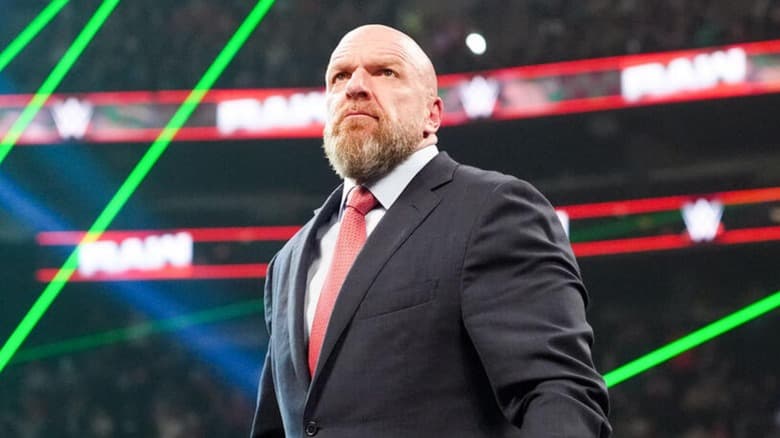
Popular WWE NXT Star 'Tentatively Planned' To Be In Chicago For Elimination Chamber
Fightful Select is reporting that there's been discussions of a top "WWE NXT" performer appearing at the Elimination Chamber.

Penta Earns WWE Intercontinental Title Shot on Raw
Penta secured an Intercontinental Championship opportunity on 'WWE Raw' after defeating El Grande Americano.

Max Verstappen Criticizes 2026 F1 Car Regulations as 'Anti-Racing'
Formula 1 champion Max Verstappen has strongly criticized the proposed 2026 F1 car regulations, labeling them as 'anti-racing' despite the sport's claims of them being smarter, greener, and more advanced. Meanwhile, Chloe Chambers reflects on her third-place finish in the 2025 F1 Academy.
ICCIMA Urges Reform of Iran's Economic Governance Structure
The Iran Chamber of Commerce, Industries, Mines and Agriculture (ICCIMA) has issued a statement calling for significant reforms to the country's economic governance structure.

Italian Ambassador to Ecuador Meets Chamber of Commerce Representatives
Italy's Ambassador to Ecuador, Giovanni Davoli, met with representatives from the Italian Chamber of Commerce in Ecuador.

Harnoncourt: Mendelssohn, Wagner, Schumann album review – revelatory readings from the late revolutionary
European Chamber Orchestra/Harnoncourt/Urmana
(Sony)
This 1999 live recording captures the late conductor’s radical ear in bracing Mendelssohn, gossamer Wagner and a luminous Liebestod – from Violeta…

Belgian Parliament Seeks Ethics Opinion on MP Michael Freilich Amid Diplomatic Incident
The Belgian Chamber of Representatives has almost unanimously approved a request for an opinion from the federal ethics commission regarding N-VA MP Michael Freilich, who is suspected by opposition parties of an unspecified diplomatic incident with the US.

Cyprus Shipping Chamber Briefs Members on Tax Reform
The Cyprus Shipping Chamber (CSC) held its February meeting to brief members on the new Cyprus tax reform framework, providing an opportunity for discussion and updates.
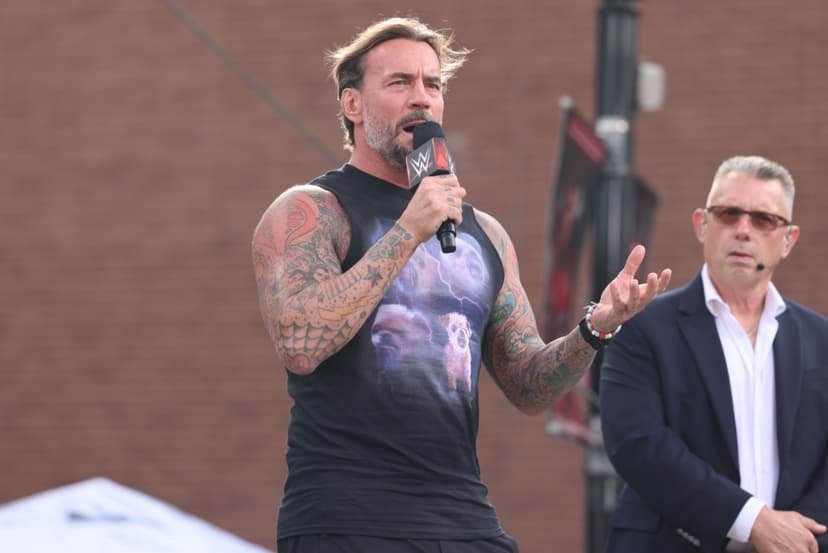
Chamber of chaos: Chicago braces for a WrestleMania-defining night
The road to WrestleMania intensifies in spectacular fashion as the 2026 Elimination Chamber arrives in Chicago, marking the 16th edition of one of WWE’s most unforgiving and career-defining events.

When jazz musician Wolfgang Muthspiel loudly strums the strings
Guitarist Wolfgang Muthspiel celebrates chamber music in a trio format on Friday. He brings along resonant souvenir pieces from Japan's capital.
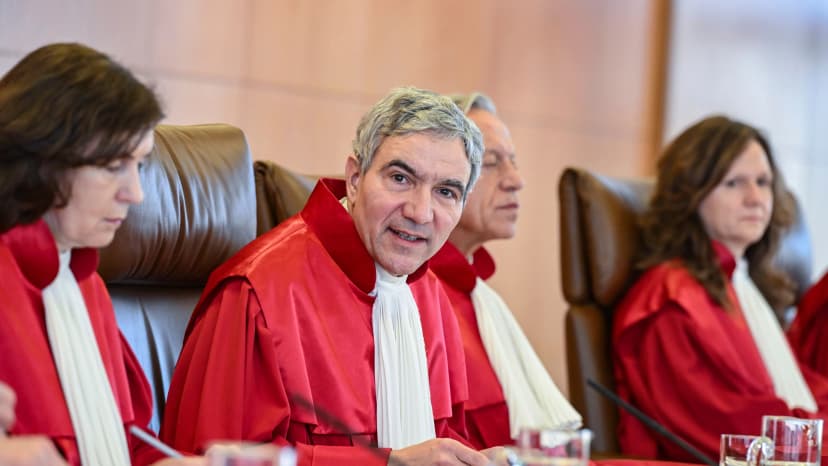
German Constitutional Court Rules Fascism Accusation Can Have Factual Basis
Germany's Federal Constitutional Court overturned judgments on insults in two chamber decisions, emphasizing the contribution of drastic evaluations of public officials to 'critique of power'.

Canada’s political support can be turned into investment, Chamber of Commerce president says
Ukraine can be confident of Canada's reliable support, regardless of political changes in the country.

FBI Accused of Trampling Attorney-Client Privilege in Trump Ally Hunt
An article alleges that the FBI wiretapped attorney-client calls involving Trump allies, violating legal privilege, leading to the firing of ten agents.

US Embassy Highlights American Chamber of Commerce's Role in Albanian Economy
The U.S. Embassy in Albania emphasized the American Chamber of Commerce's crucial role as a bridge between investors and Albania, representing 270 companies that contribute 25% to the country's GDP.

Pekka Kuusisto: Willows album review – luminous, inventive and penetrating
Norwegian Chamber Orchestra/Kuusisto/Amidon
(Platoon)
The Finnish violinist-conductor strips back The Lark Ascending to revelatory effect in an album that moves from searing grief to radiant,…

SportTimes of India19h ago WWE elimination chamber 2026: Date, venue, kickoff, how to watch
WWE Elimination Chamber 2026 is set for February 28th at Chicago's United Center, featuring high-stakes matches crucial for WrestleMania 42. The event will include the signature Men's and Women's Elimination Chamber bouts, establishing No. 1 contenders. Fans can watch live on Peacock in the US and Netflix in various international territories, with kickoff starting at 5 PM ET.

British Chamber of Commerce Qatar Hosts Ramadan Iftar
The British Chamber of Commerce Qatar hosted a Ramadan Iftar, bringing together the UK–Qatar business community to strengthen relationships.

Austrian Chamber of Labour Secures €948 Million for Members in Past Year
The Austrian Chamber of Labour (Arbeiterkammer) announced it secured 948 million euros for its members last year, conducting 2.3 million consultations. This year, the focus will be on part-time worker

Proposal to Allow Pharmacists and Nurses to Issue Prescriptions Divides Hungarian Healthcare
A draft proposal in Hungary that would allow pharmacists and specialized nurses to issue electronic prescriptions for regular medications has sparked debate among healthcare professionals and patients, with the medical chamber deeming it professionally unacceptable.
BCCQ Hosts Ramadan Iftar for UK–Qatar Business Community
The British Chamber of Commerce Qatar (BCCQ) hosted a Ramadan Iftar, bringing together the UK–Qatar business community.
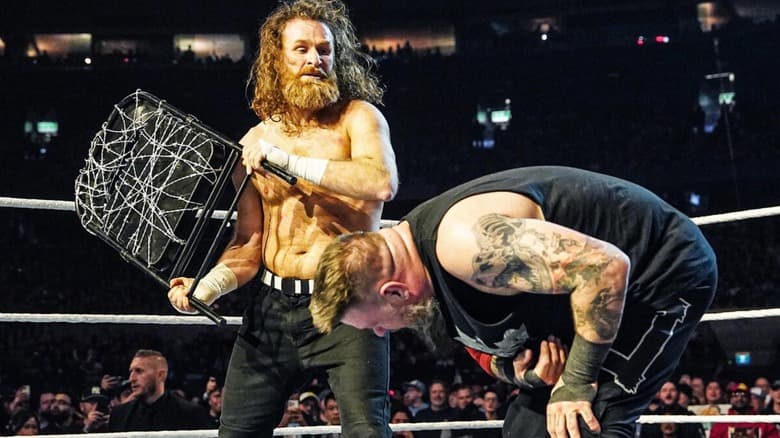
Match Spotlight: Kevin Owens Vs. Sami Zayn, WWE Elimination Chamber 2025
With WWE Elimination Chamber 2026 on the horizon, let's shine a spotlight on the most brutal match from last year's show, Sami Zayn vs. Kevin Owens.

Donald Trump hosts USA men’s hockey team with unexpected spread at White House
The USA men’s national hockey team showed up at Tuesday night’s State of the Union after winning Olympic gold over Canada on Sunday. The players were sitting in the House gallery when the chamber erup

Irish Ministers to Return NSSO Overpayments
All Government ministers and ministers of state have either returned or made arrangements to return any overpayments received from the National Shared Service Office (NSSO).
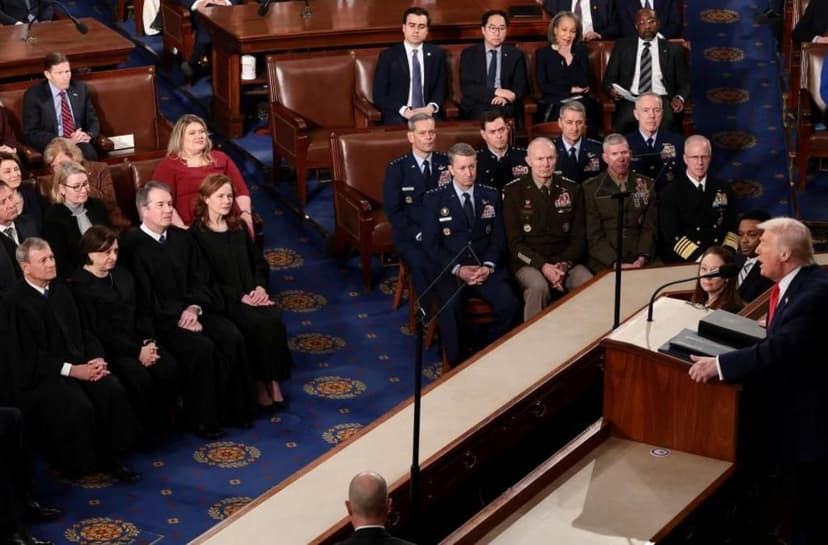
PoliticsReutersBBCbloomberg+32NYTwsjFTwapoThe GuardianNPRAl JazeeraFox Newscnbcle-figaroFrance 24Business Insiderdigi24forbesThe IndependentobservadorYahoojutarnji-listvarietyhindustan-timesDawndeadlineirish-independentjapan-timesjerusalem-postklix-banaftemporikindtvrte-newschannel-news-asiaDaily Star BDzerohedge1d ago35 sources Trump's State of the Union Address
Ahead of the State of the Union address, Democrats consider skipping the event, while Trump plans to focus on the economy and discuss tariffs and ICE.

Belgian Energy Minister Mathieu Bihet Becomes a Father
Belgian Energy Minister Mathieu Bihet has become a father, and will be absent from the Chamber on Thursday.

New Law in Romania Mandates Psychological Therapy for Domestic Abusers
A new bill adopted by the Romanian Chamber of Deputies will allow courts to mandate psychological counseling, psychotherapy, or even voluntary/involuntary psychiatric hospitalization for domestic abusers.

SBB Tests Trains with AR Glasses and Climate Chambers
Swiss Federal Railways (SBB) is using high-tech methods, including AR glasses and climate chambers that simulate temperatures down to minus 30 degrees Celsius, to test and prepare its trains in Olten.
Fire Safety Reform Bill Passes First Reading in Uzbekistan
A Fire Safety Reform Bill has successfully passed its first reading in Uzbekistan's Legislative Chamber.

Cyprus Business Chamber Seeks Feedback on New Cybersecurity Fees
The Cyprus Chamber of Commerce and Industry (Keve) has initiated a public consultation on the draft Security of Networks and Information Systems (Fees) Regulations, 2026, inviting members to submit comments by February 27, 2026.

Politicsberlingske20-minuten2d ago2 sources Democrat Must Leave Chamber During Trump Speech
US President Trump's State of the Union address is disrupted within the first minutes. A congressman expresses his displeasure over a video and is subsequently escorted out of the chamber.
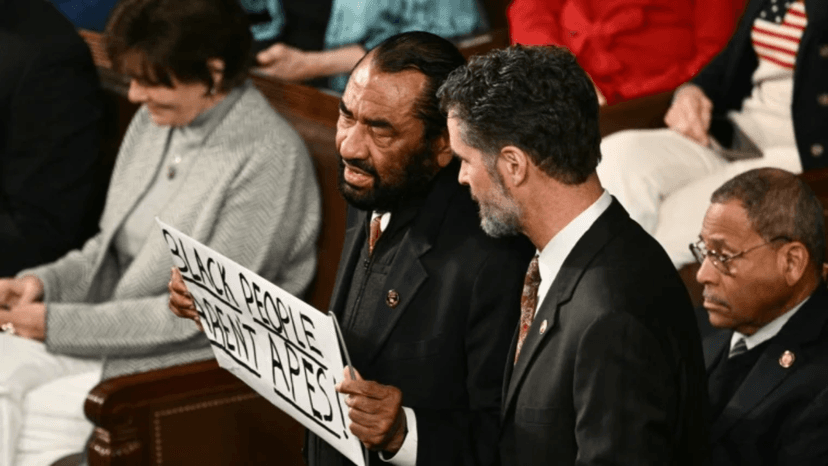
'Black people aren't apes!' US lawmaker Al Green escorted out for protest during Donald Trump's speech
During President Trump's State of the Union, Democratic Rep. Al Green was removed from the House chamber for holding a sign stating 'Black people aren’t apes!' This protest referenced a racist video o

Italian Parliament Rejects Parental Leave Equality Bill
The Italian Chamber of Deputies has rejected a bill for equal parental leave, with the Budget Committee citing financial coverage concerns for the proposed amendments.
Dave Meltzer Confirms Bronson Reed Was Supposed To Win WWE EC Qualifier Before Injury
It's been confirmed that Bronson Reed was heading to the Elimination Chamber before getting injured in his qualifying match on "WWE Raw."
Moldovan Appeals Chamber Returns Turkish Teachers' Expulsion Case for Review
The Chișinău Appeals Chamber has sent the case regarding the expulsion of Turkish teachers, with former SIS head Vasile Botnari as the main figure, back for review. Botnari was found guilty of abuse of power in 2020.
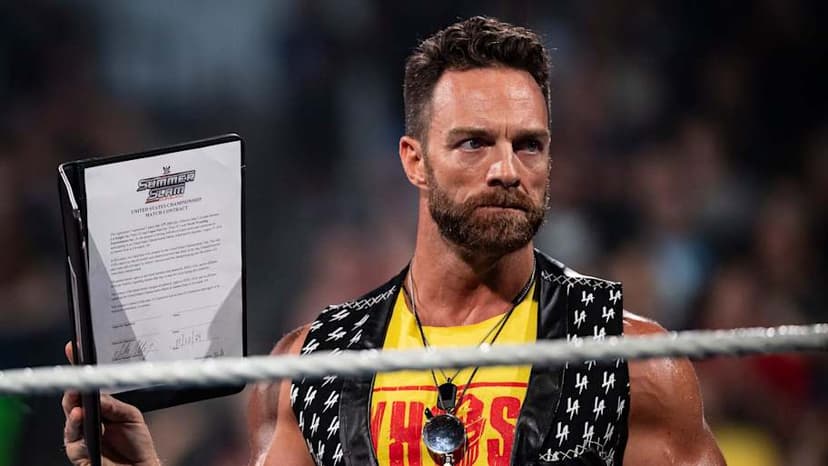
WWE Power Rankings before the 2026 Elimination Chamber
Hello everybody, and welcome back to another week of the WWE’s Men’s Power Rankings. With WWE Elimination Chamber this Saturday, you can expect things to heat up this week, especially with one spot st

atHome Real Estate Portal Boycott Ends After Tariff Negotiations
The association of real estate agencies continues to criticize the tariff structure of the atHome real estate portal, while the Chamber of Real Estate has now entered into a dialogue with the platform, leading to the end of a boycott.

Barcelona Chamber of Commerce Proposes Reinstating Highway Tolls for Maintenance
The Barcelona Chamber of Commerce is advocating for the reintroduction of 'pay-per-use' tolls on highways to ensure better maintenance of the road infrastructure.
Live WWE Raw Results & Highlights: Elimination Chamber Go-Home Show (Feb. 23, 2026)
WWE is back with this week’s edition of WWE Raw on Netflix as the company has its final build for […]

Sara Duterte impeach raps to be sent to justice panel, De Lima confirms
MANILA, Philippines — Mamamayang Liberal party-list Rep. Leila de Lima confirmed that the four impeachment complaints against Vice President Sara Duterte will be sent to the House of Representatives’ committee on justice when the chamber resumes its session on Monday. De Lima, in an ambush interview after members of the House committee on rules met for

Survey Reveals Two-Thirds of Female Doctors in Vienna Experienced Discrimination
A survey by the Vienna Medical Chamber found that nearly two-thirds of female doctors experienced discrimination, primarily from male colleagues and patients, despite most being satisfied with their career development.
Austrian Trade Unions and Chambers of Labor Report Apprenticeship Shortage
Austrian trade unions (ÖGB) and chambers of labor (AK) are expressing concerns over a significant shortage of apprenticeship positions in the country.
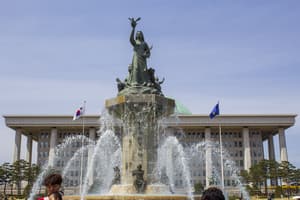
Korea-US Parliamentarians’ Union to meet AmCham over trade issues
The Korea-US Parliamentarians’ Union said Monday it will hold a meeting with James Kim, chair of the American Chamber of Commerce in Korea, to discuss bilateral trade and investment issues. The Korea-US Parliamentarians’ Union is a cross-party caucus established in March 2025 to promote parliamentary cooperation between South Korea and the US. It comprises around 170 National Assembly lawmakers. According to the group, a breakfast meeting will be held at 7:30 a.m. Wednesday at the National Assem

DEMDIS Founder Discusses Impact of Respectful Public Discourse on Politics
Michal Horský, founder of the DEMDIS civic association, discusses how respectful public discourse can reach beyond echo chambers and influence political actions.

Andhra Pradesh Chambers Seeks Collaboration with ICAI
The Andhra Pradesh Chambers of Commerce and Industry Federation is seeking collaboration with the Institute of Chartered Accountants of India (ICAI).
Indonesia's Kadin Urges Prabowo to Cancel Vehicle Imports
Indonesia's Chamber of Commerce and Industry (Kadin) has urged President-elect Prabowo Subianto to cancel the planned import of 105,000 vehicles.
Cyprus Business Now: weekly wrap-up
Here are the top business stories in Cyprus from the week starting February 16 : The Cyprus Chamber of Commerce and Industry (Keve), in partnership with the Eratosthenes Centre of Excellence, will host a high-level forum on June 8, 2026, to explore the integration of space technology and artificial intelligence into the European economy. The […]
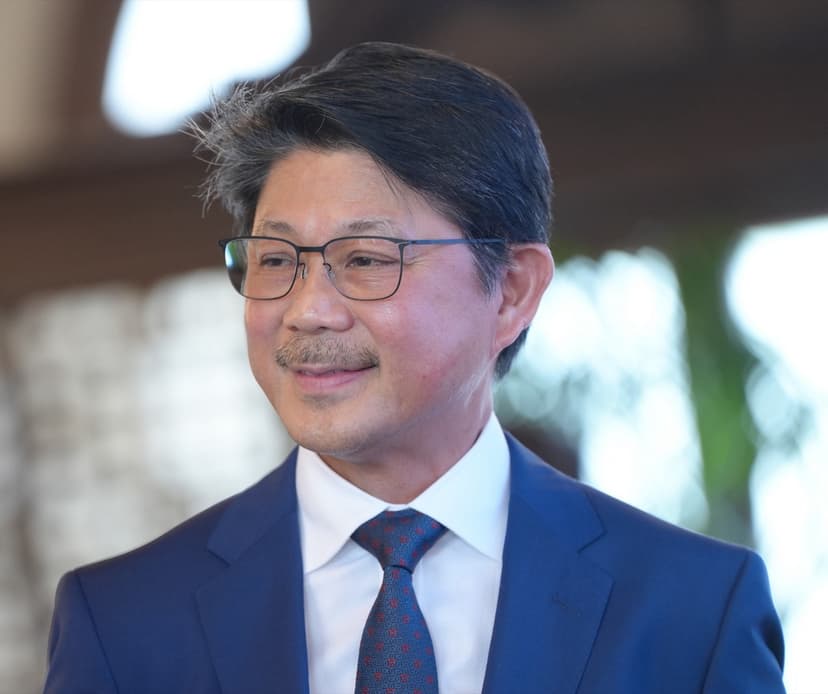
Philippine House Speaker Vows to Pass Anti-Dynasty Measure
Speaker Faustino Dy III has pledged that the House of Representatives will pass a fair, just, and implementable anti-political dynasty law from the 24 bills filed in the chamber.
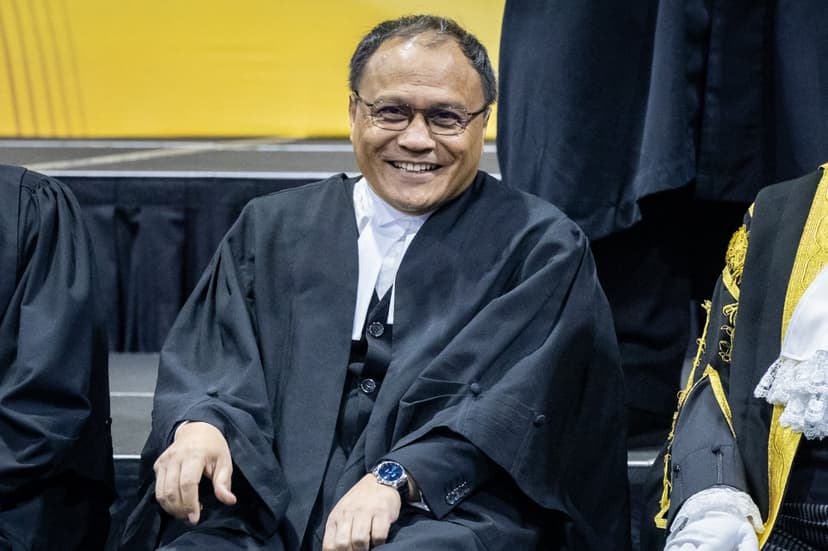
Attorney General's Chambers Proposes Separation of AG and Public Prosecutor Roles
The Attorney General's Chambers (AGC) announced plans for the long-discussed separation of powers between the Attorney General and the Public Prosecutor, aiming to create a new prosecution department.
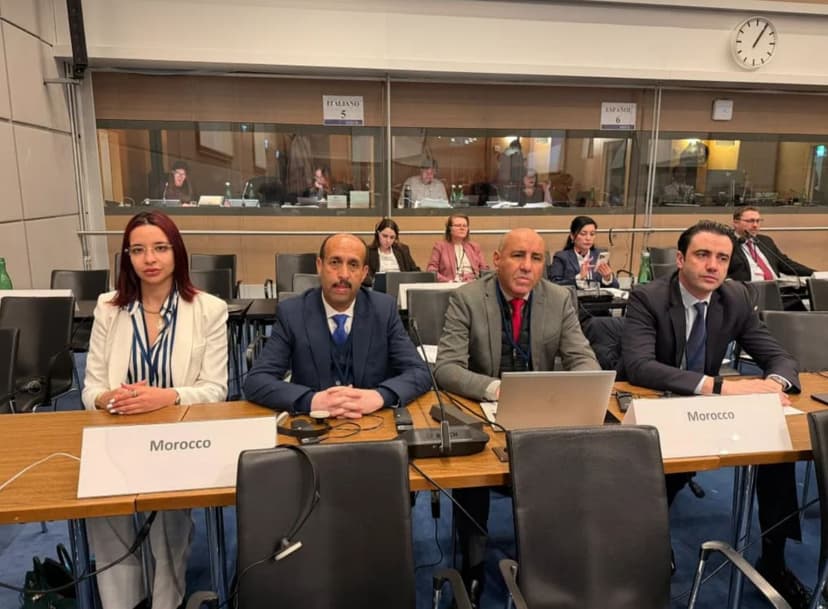
Worldmorocco-world-news5d ago Moroccan Parliamentary Delegation Engages in OSCE-PA 24th Winter Session in Vienna
Agadir – The Moroccan parliamentary delegation took part in the 24th Winter Session of the Parliamentary Assembly of the Organization for Security and Co-operation in Europe (OSCE-PA), held on February 19 and 20 at the Hofburg Conference Center in Vienna. Making up the Moroccan delegation were members from both parliamentary chambers, including representatives and Councillors […]
The post Moroccan Parliamentary Delegation Engages in OSCE-PA 24th Winter Session in Vienna appeared first on Mor...

Alex Oxlade-Chamberlain Expected to Start for Hibees
Alex Oxlade-Chamberlain is anticipated to be in the starting lineup for Hibees, with an eye towards the upcoming match at Ibrox.

BYU's Riley Chamberlain Discusses Breaking NCAA Mile Record
Riley Chamberlain of BYU shared insights on breaking the NCAA mile record during her appearance on the CITIUS MAG Podcast.

Tremonti Focuses on Italy-Bulgaria Relations in Sofia Visit
Giulio Tremonti, Chairman of the Foreign and Community Affairs Committee of the Chamber of Deputies, visited Sofia to focus on Italy-Bulgaria relations.
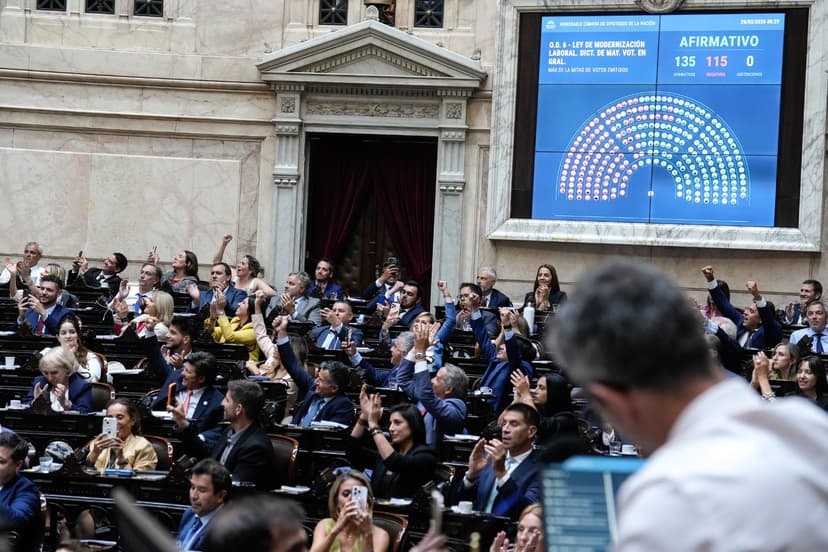
Milei's Labor Reform Bill Greenlit by Deputies, Returns to Senate
Argentina's Chamber of Deputies has approved President Milei's controversial labor reform bill, which will now return to the Senate for final approval of the changes made.

Qatargate Investigation Proceeds After Indictment Chamber Validation
The Qatargate investigation will continue after the indictment chamber validated the procedure, ensuring it was conducted legally and impartially.

Strike over labour reforms brings Argentina’s capital to a near-standstill
The Chamber of Deputies is weighing a labour bill that would increase work hours, cut severance pay and ease firing.
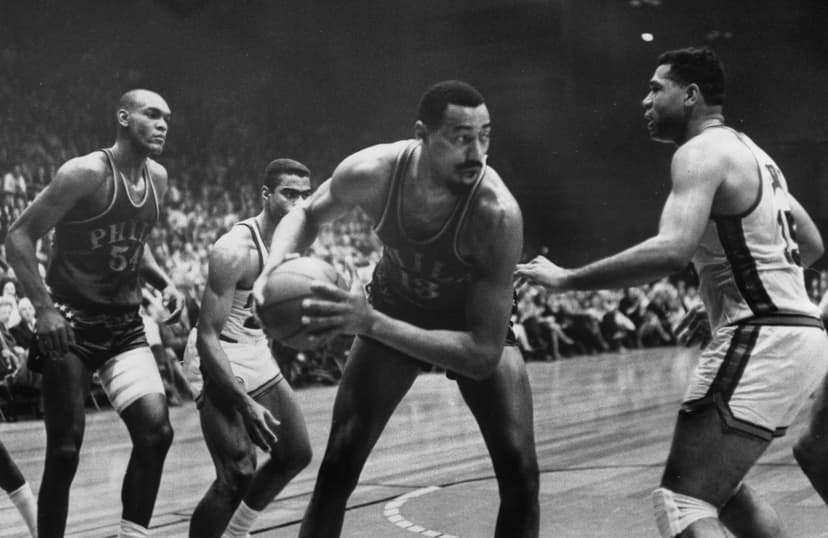
Wilt Chamberlain's Dominance Remembered
Archival footage of Wilt Chamberlain's prime highlights his unparalleled dominance in basketball, with no modern equivalent.
FICCI Advocates for Policy Reforms to Enhance Business Clarity and Ease
The Federation of Indian Chambers of Commerce & Industry (FICCI) is calling for policy reforms to improve clarity and simplify the ease of doing business.
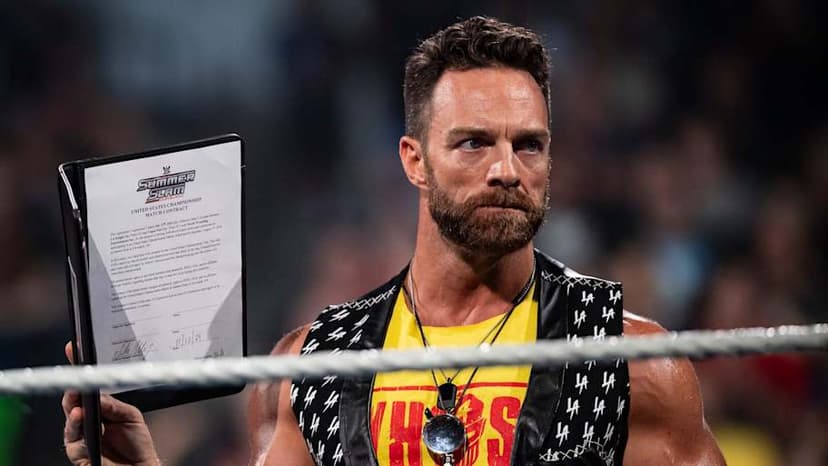
Ranking Top 10 WWE Men's Wrestlers Ahead of Elimination Chamber
A power ranking of the top 10 WWE men's wrestlers is presented, with the Elimination Chamber being the last major event before Wrestlemania.

PoliticswapoDawnPremium Times10d ago3 sources Motorway closure heaps misery on commuters, transporters, traders
PESHAWAR: The prolonged closure of the Peshawar-Islamabad Motorway (M-1) by the PTI activists heaped misery on commuters, transporters and traders.
The ruling party’s leaders and workers have closed M-1 at Swabi rest area since last Friday to demand early treatment of their incarcerated leader, Imran Khan, for “vision loss”.
The closure of M-1, the main artery connecting Peshawar with the rest of the country, has put the Grand Trunk Road, the other major road, under immense strain as the neglected highway is unable to cater to the traffic diverted from the motorway.
Also, the GT Road is facing closures by PTI activists, causing massive inconvenience to people travelling to attend urgent business meetings and exams, take international flights from Islamabad airport and seek treatment. The businessmen, whose supplies have got stuck along the road, are also distressed.
Businessmen wonder why PTI govt troubling people of KP
Jan Mulk, a businessman, who was travelling from Islamabad to Peshawar on Sunday evening, told Dawn that he left Islamabad at around 4:30pm and reached Attock at around 6:30pm before finding himself caught in a huge traffic jam at Attock crossing.
“Hundreds of vehicles were stuck in a long traffic grid lock and there was not even any way to turn back,” he said.
The businessman said that the Attock traffic gridlock forced him to return and spend the night in Islamabad before coming to Peshawar next morning.
“There were women, children and elderly, with a large number of them being on foot due to road closure and unavailability of public transport,” he said.
Mr Mulk said transporters in Attock were charging commuters Rs1,000 for a trip to Rawalpindi.
Khan Zaman Afridi, president of Khyber Pakhtunkhwa Transporters Association, told Dawn that road closures had made life difficult for transports.
“Nearly 3,000 vehicles leave Peshawar General Bus Stand on a daily basis but the number has dropped to around 1500 due to road closures,” he said.
Mr Afridi said almost all public transport used the M-1 and now its closure has diverted all the traffic to the GT Road and a usual trip of two to three hours on motorway was taking over 10 hours on GT Road.
“GT Road is not old GT Road and is full of potholes and full of vans, Qingqi motorcycle-rickshaws and push carts, so it is very difficult to traverse and now, the entire motorway traffic has been diverted to it, causing massive traffic snarl,” he said.
Mr Afridi said that due to the road closures, many people had stopped travelling, and commuter arrivals at bus stands had almost halved as only people who had to attend urgent business meetings travelled in compulsion.
“It is ironic that the KP government is inflicting pain on its own people,” he said.
A representative of Faisal Movers told Dawn that his transport company had stopped its Peshawar-Islamabad operations since the start of the M-1 closure.
Junaid Altaf, president of KP Chamber of Commerce and Industry, questioned the rationale for the motorway closure.
“Who are they troubling? Is it the people of KP or residents of Punjab and Sindh who are being affected due to the M-1 closure?”
Mr Altaf said that KP chief minister and his cabinet had been sitting in Islamabad for the past many days, leaving their offices and official duties unattended.
He said that the prolonged closure of Pak-Afghan border points had already ruined the province’s business community and now, the politicians didn’t understand that the trucks stranded on the road to KP carried raw material to factories in the province and prolonged closure was hurting the business community as well as the economy of the province.
“If PTI thinks the people of KP deserve this for voting them to the powers, then it is ok and we deserve it,” he said.
Malik Sohni, president of All Pakistan Agriculture Produce Traders Federation, told Dawn that road closures had resulted in an over 10pc increase in the vegetable prices in the provincial capital.
He said that in the current season, potatoes, onions, tomatoes, okra, garlic, peas and leafy vegetables were transported from Punjab to Peshawar.
Mr Sohni said that as vegetables were perishable, prolonged blockages not only caused spoilage but also drove the prices up.
“Prices automatically go up when fresh supplies don’t reach on time,” he said.
Published in Dawn, February 17th, 2026

WWE Raw tonight, What time does WWE raw start tonight? WWE Raw preview
AJ Lee is looking for revenge on Becky Lynch, and Gunther, Dom Mysterio and Je'Von Evans will battle for a spot in the Elimination Chamber.

Rightwing thinktank joins backlash to Queensland’s ‘vague’ proposed hate speech laws
Institute of Public Affairs latest to raise free speech concerns over bill facing criticism from across the political divide
Follow our Australia news live blog for latest updates
Get our breaking news email, free app or daily news podcast
There is growing backlash to Queensland’s antisemitism laws on all sides of politics, with rightwing thinktank the Institute of Public Affairs (IPA) the latest group to raise free speech concerns about the “vague” bill.
Margaret Chambers, a research fellow at the IPA, said the bill would confer extraordinary power on a single minister to “engage in censorship and the criminalising of opinions and debate” on the basis of a subjective standard, without oversight by the courts.
Continue reading...
The Science and Art of the Perfect Siesta Explored
Research delves into the human predisposition for a midday drop in alertness, exploring the history and modern practices of napping. Experts discuss various methods, including the "coffee nap," to optimize rest.